 English


 Published: June 5, 2026
 Editor: Ruoxi
Baduanjin (literally "Eight Pieces of Brocade") originated in the Song Dynasty (960–1279) and has a history of more than 800 years. It is a traditional Chinese exercise. The "eight pieces" refer to the routine's eight movements, while "jin" (brocade) evokes fine silk and symbolizes the movements' smooth grace and flowing elegance.
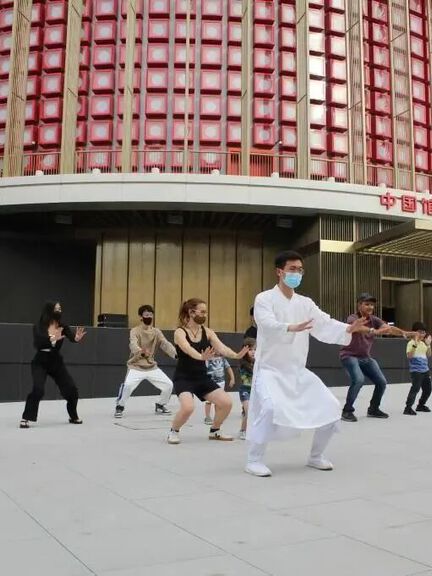
Baduanjin took shape in the 12th century and has since branched into numerous schools. Unlike high-intensity activities such as ball games or swimming, Baduanjin emphasizes slow, rhythmic movements, making it especially popular among older adults in China. Requiring no equipment and no fixed time or place, it is also highly accessible. This simplicity has helped fuel its growing popularity among younger generations. For people who spend long hours at computers, Baduanjin can be effective in easing lower-back and neck discomfort.
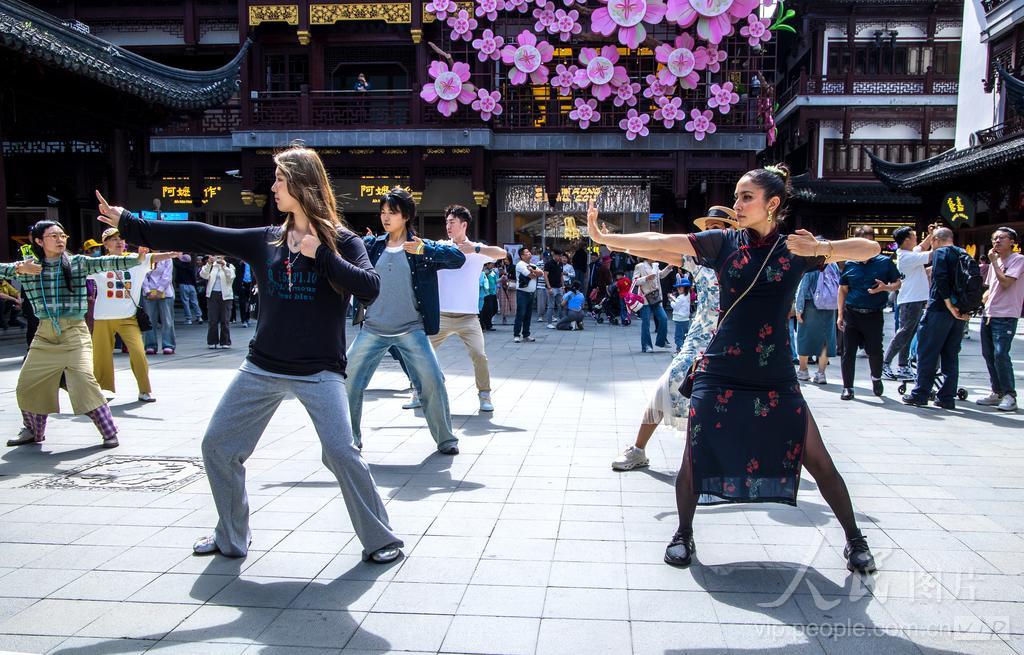
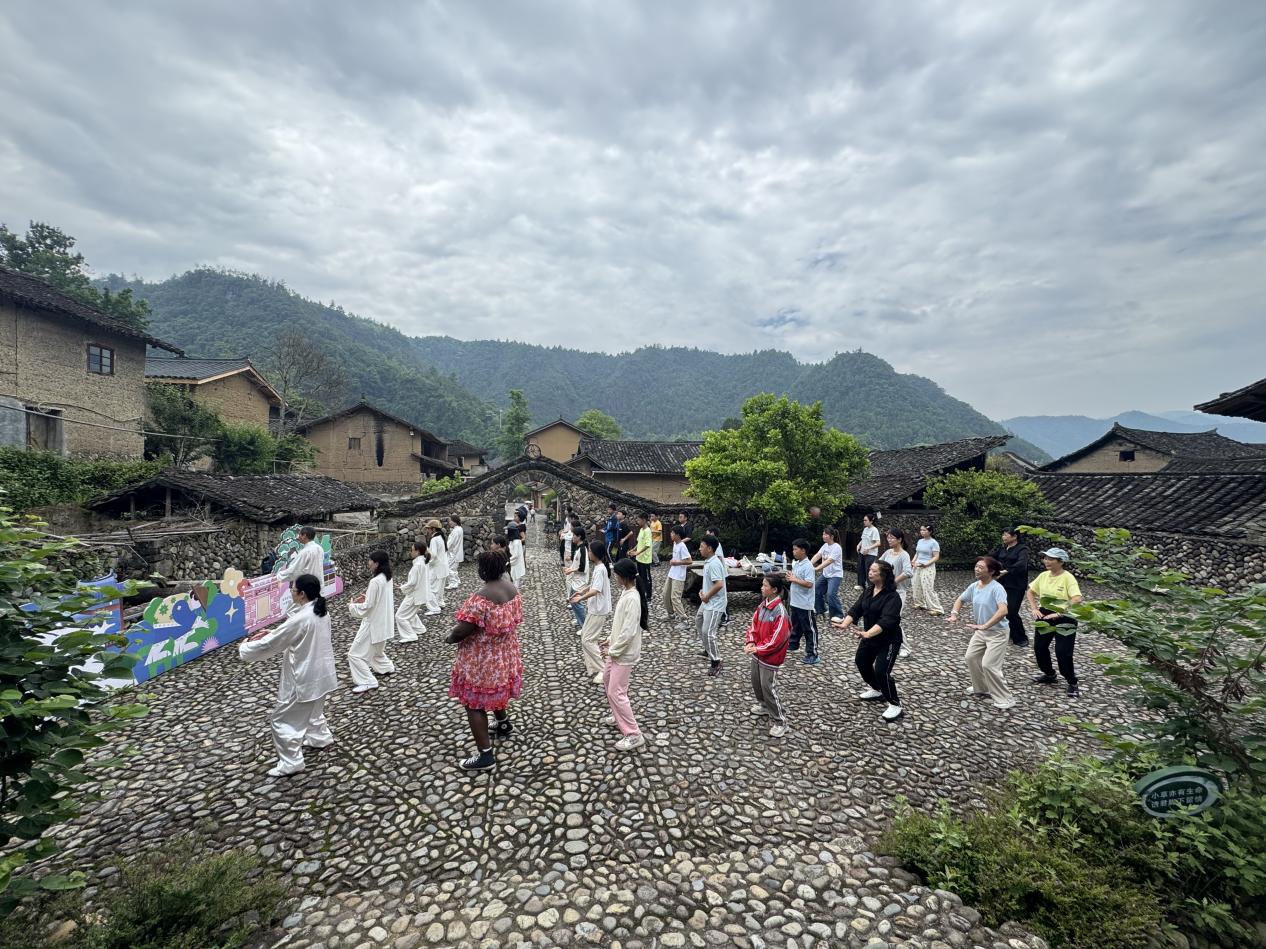
In recent years, driven by a rise in inbound tourism, Baduanjin has become a popular way for foreign visitors to experience Chinese culture. At Yuyuan Central Plaza in Shanghai, where locals practice Baduanjin every day, it is common to see tourists stop to watch and even join in.
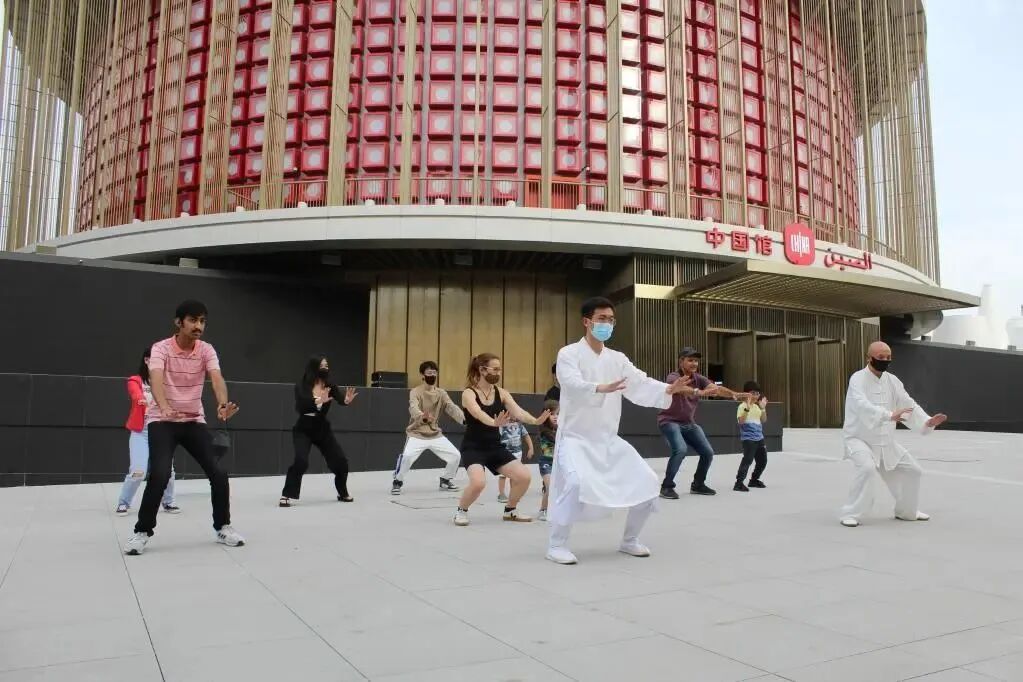
Foreign tourists and villagers from Kucun Village in Nanpuxi Town practice Baduanjin together under the guidance of an instructor.
Globally renowned fitness icon Pamela Reif also released a tutorial video titled "Pamela Is Leading Baduanjin Too!" on a major Chinese video platform.

Image source: Bilibili @PamelaReif
Exercises: Baduanjin (Eight Pieces of Brocade)
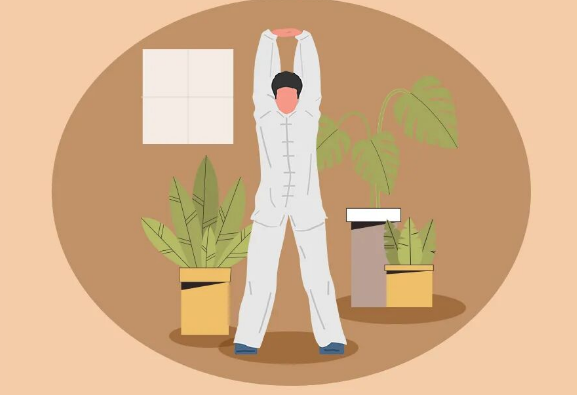
1. Holding Up the Sky with Both Hands to Regulate the Triple Burner
Stretching the limbs and torso optimizes blood distribution between the thoracic and abdominal cavities, facilitating lung expansion.
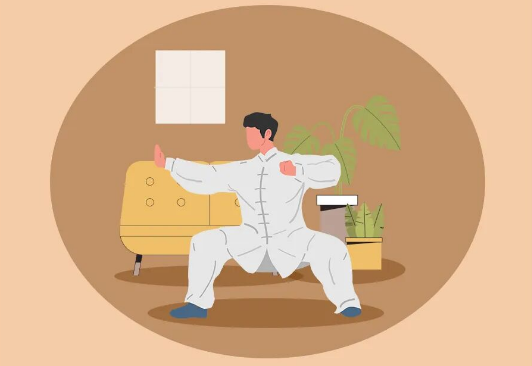
2. Drawing the Bow to Shoot the Hawk
This movement opens the Lung Meridian, alleviating ailments in the lower back, arms, head, and eyes. It boosts blood circulation, corrects postural deviations, and relieves discomfort caused by poor posture.
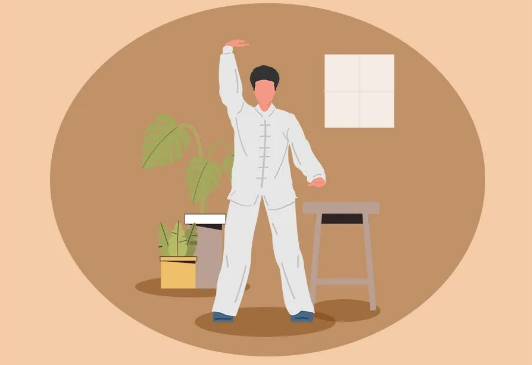
3. Lifting the Arms to Regulate the Spleen and Stomach
This movement stimulates gastrointestinal peristalsis and enhances digestive function. With consistent practice, it helps prevent and treat common digestive disorders.
4. Looking Backwards to Relieve the Five Fatigues and Seven Injuries
This regulates and unblocks the Belt and Chong channels along with the Gallbladder Channel, alleviating cerebral and central nervous system fatigue and facilitating the restoration of compromised physiological function.
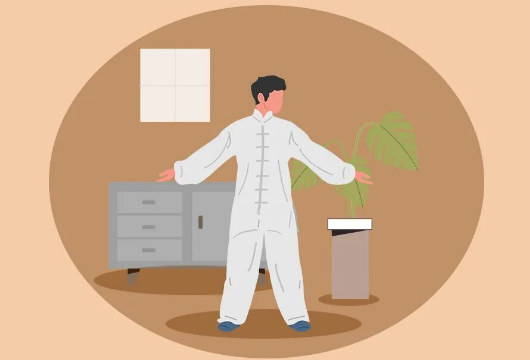
5. Clearing the Heart Fire by Shaking the Head and Wagging the Tail
This movement involves gently swaying the torso from side to side while bending forward slightly, resembling the movement of a shaking tail. It stretches the spine, releases tension in the lower back, and massages the internal organs.
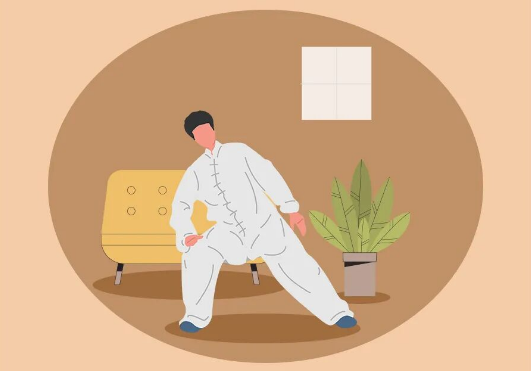
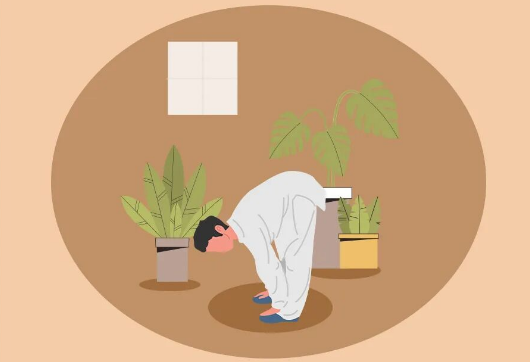
6. Holding the Feet with Two hands to Strengthen the Kidney and Lumbar Area
This movement involves massaging the lower back and the posterior thighs. It stretches the Governor Meridian and the Bladder Channel, which serves to strengthen the reproductive and urinary systems, as well as the musculature of the lower back.
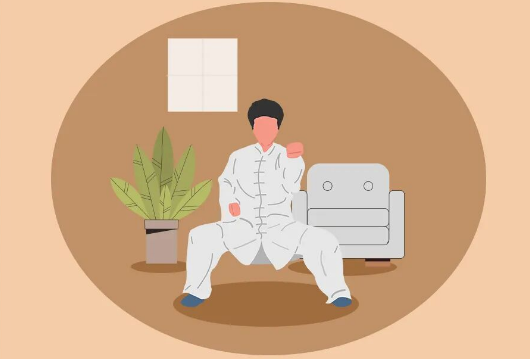
7. Punching with a Fierce Gaze
This movement stimulates the Liver Channel system, replenishing liver blood, promoting the smooth flow of liver qi, and strengthening the tendons and bones.
8. Standing on Tip-toes to Eliminate Illnesses
Inhale and lift your heels, tightening the core; exhale and let your heels drop, creating a gentle shock through the spine. This rhythmic movement stimulates the meridians and regulates the flow of vital energy (Qi).