
 English



 Published: October 26, 2026

 Editor: Ruoxi
Located in the central Altai Mountains in Northwest China's Xinjiang Uygur Autonomous Region, Kanas Scenic Area lies within a golden belt bordering Kazakhstan, Russia and Mongolia. Covering 10,030 square kilometers, it is a comprehensive ecotourism destination encompassing glaciers, snowfields, alpine peaks, rivers, lakes, forests and grasslands.
Kanas Scenic Area encompasses eight major natural attractions and three cultural attractions: Hanas National Nature Reserve, Kanas National Geopark, Baihaba National Forest Park, Jiadengyu National Forest Park, Kanas Valley, Hemu Valley, Naren Grassland and Hemu Grassland, as well as Hemu Village, Baihaba Village and Kanas Village.
Blessed with a favorable geographical location and exceptional natural conditions, the area features a striking interplay of forests and grasslands, distinct vertical vegetation zones and well-preserved modern glaciers. Its unique ecosystem and breathtaking scenery make it a place of rare beauty. The landscape of Kanas changes with the seasons and throughout the day, making it an ideal destination for scientific expeditions, leisure getaways and landscape photography.
An Oil-Painting-Like Autumn Wonderland: Kanas
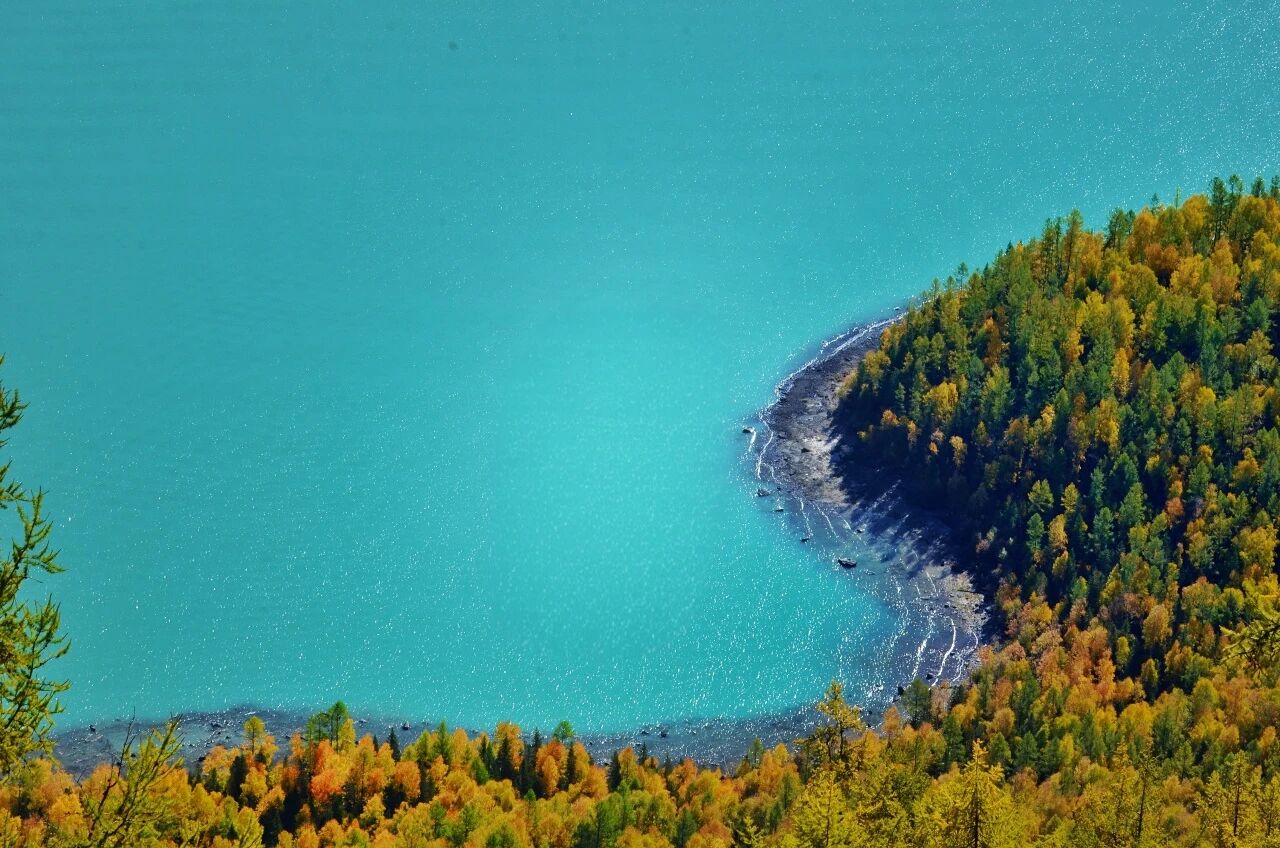
As the crown jewel of Altay's autumn scenery, Kanas reveals layer upon layer of lakes, forests, morning mist and snow-capped peaks, creating a picture-perfect landscape at every turn.
Recommended Spots
Morning Mist at Fairy Bay: The best time to visit is 8:30 to 9:30 a.m. daily. Soft autumn light bathes the landscape as wisps of mist drift along the winding river, while golden birch forests are reflected in the crystal-clear water, creating an interplay of light and shadow.
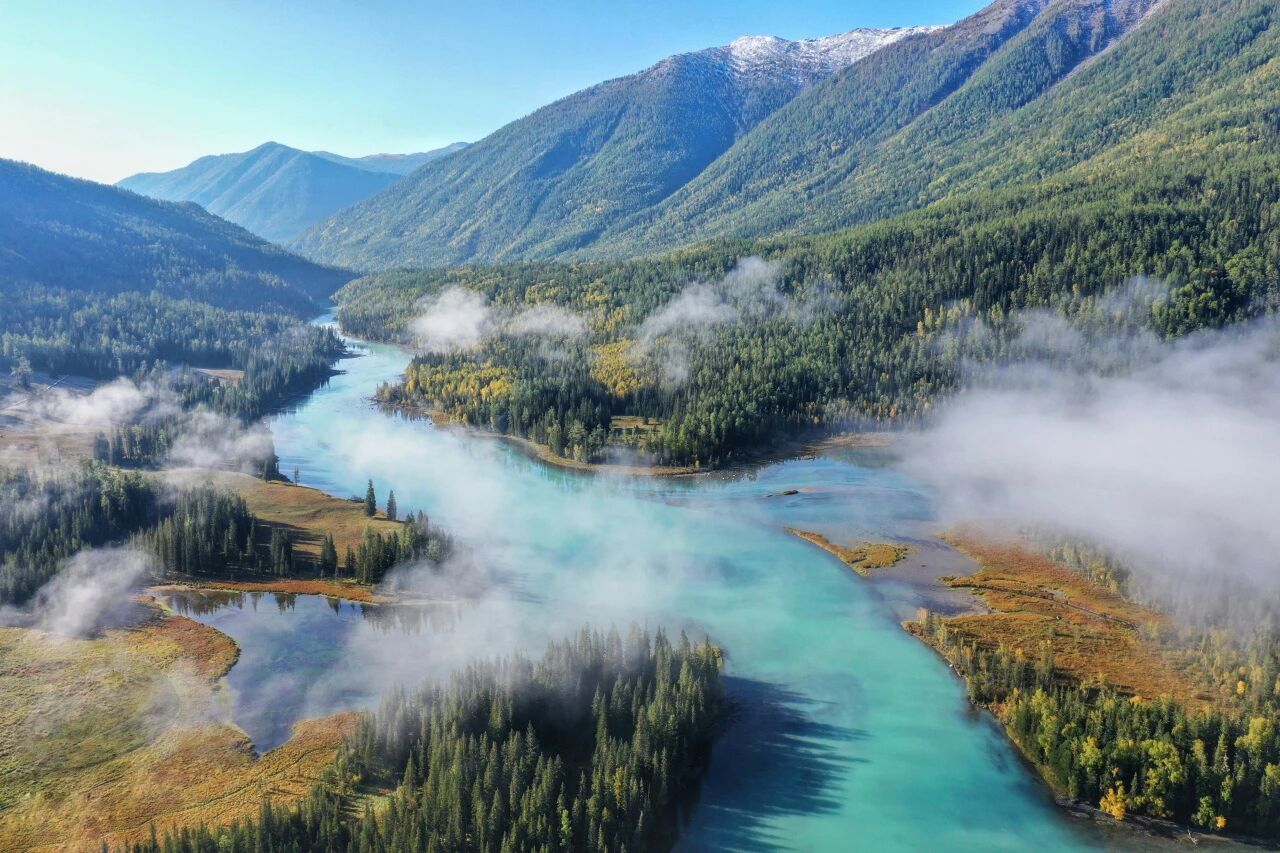
Three-Bay Wooden Boardwalk: Stroll from Moon Bay to Wolong Bay through a sea of golden forest, enjoying close-up views of the emerald-green waters and the full splendor of the autumn foliage.
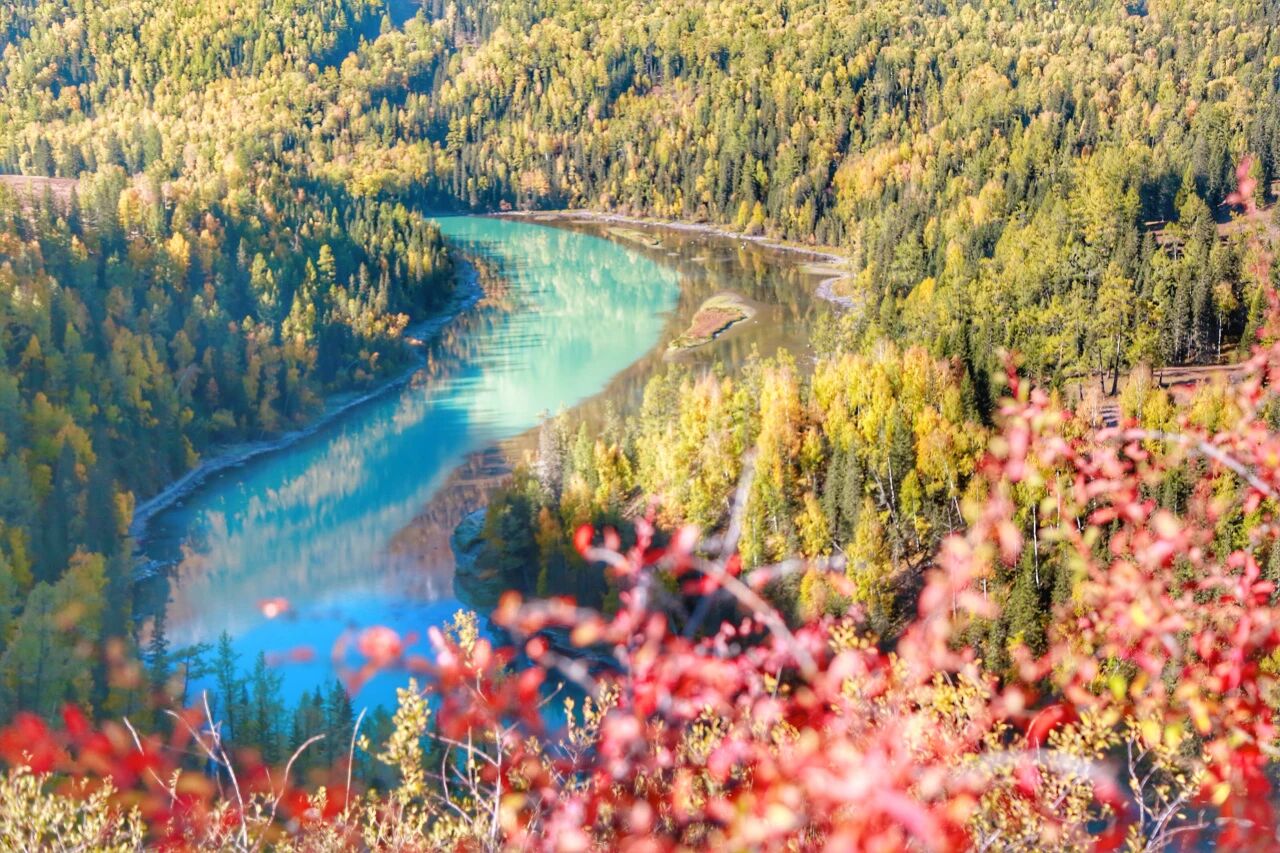
Panoramic View from Guanyu Pavilion
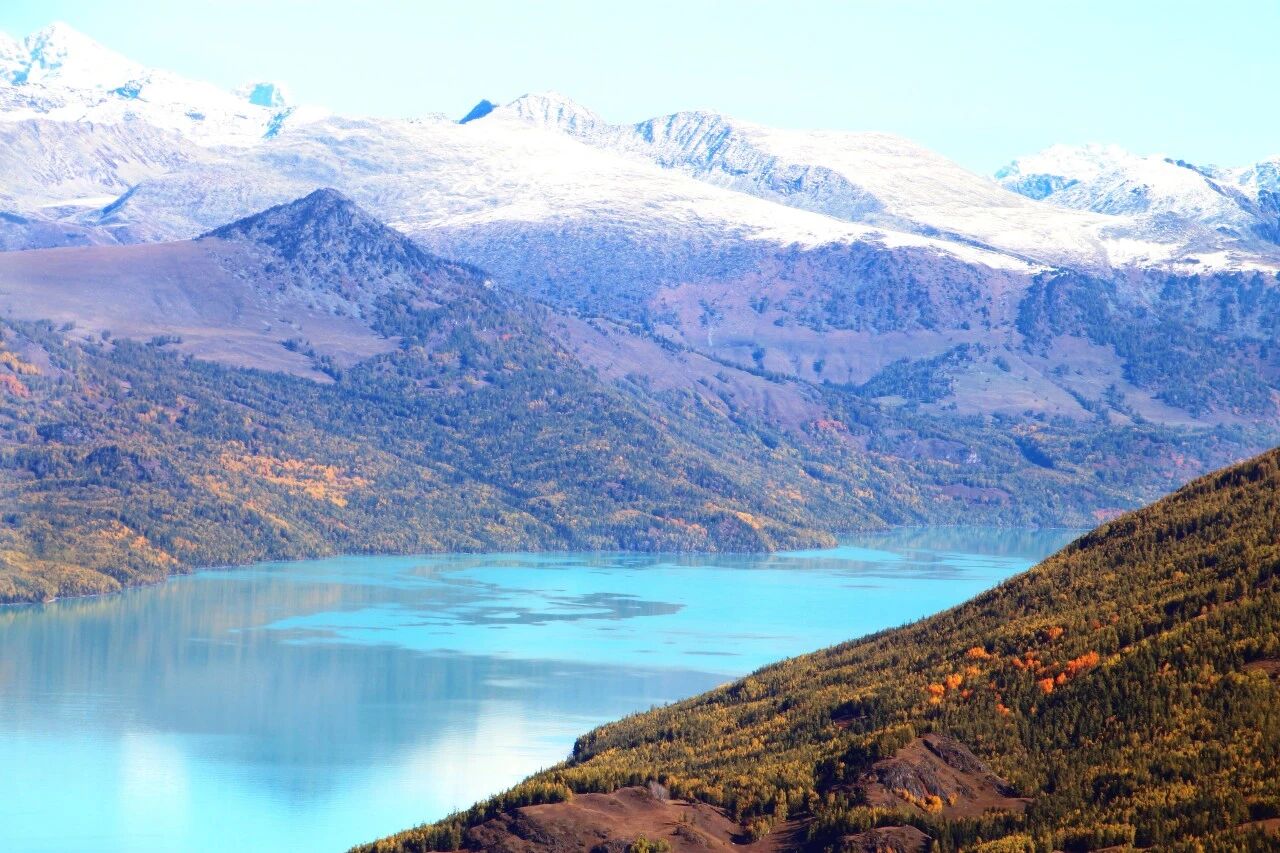
Climb the 1,068 steps to the summit for sweeping views of Kanas. The turquoise lakes, vast stretches of golden forest and distant snow-capped peaks come together in a breathtaking panorama of northern Xinjiang's autumn mountains and forests.
A Picturesque Autumn Village: Hemu Village
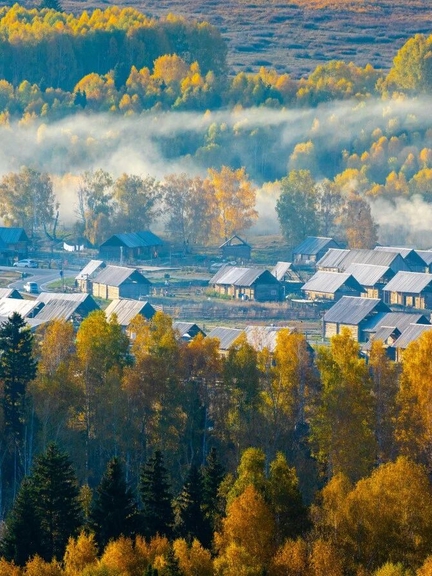
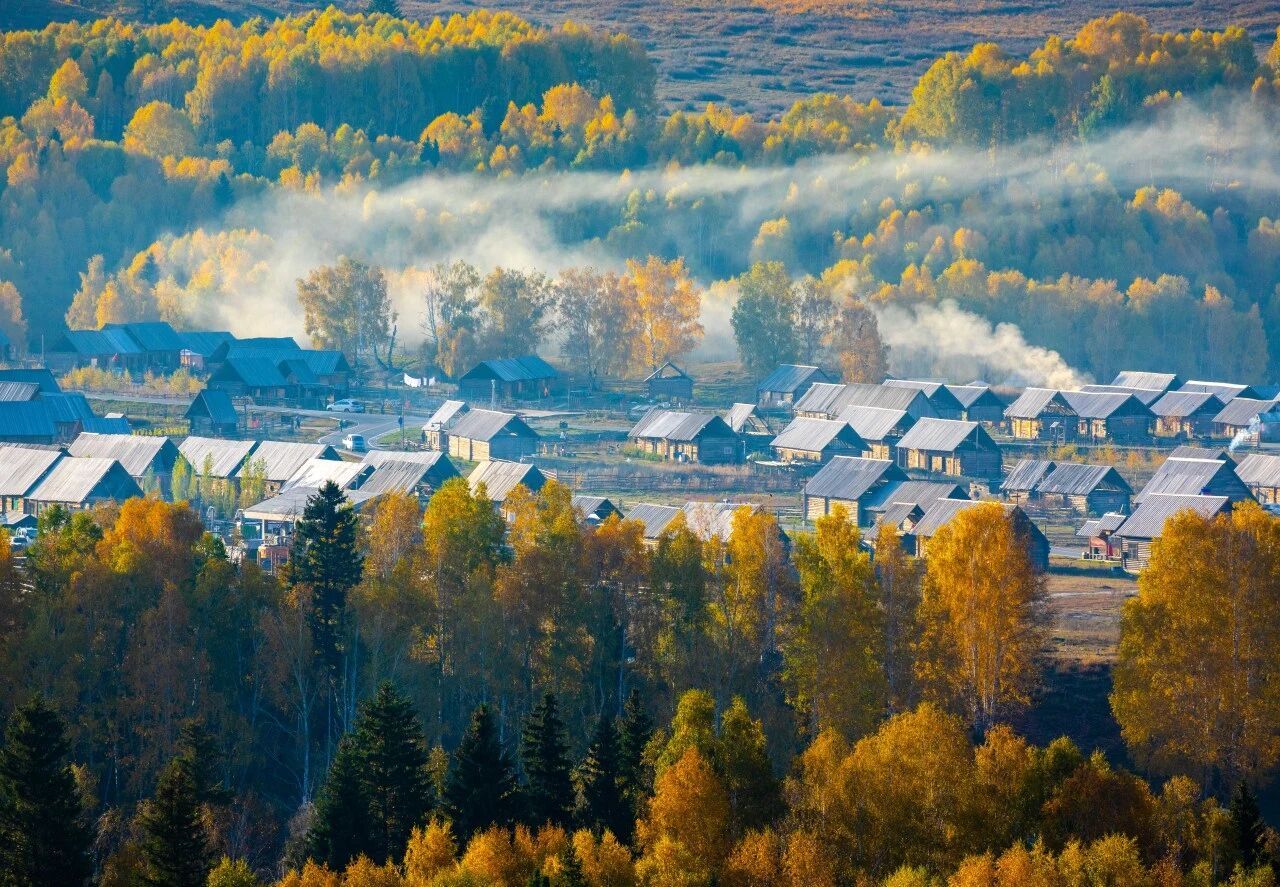
In autumn, Hemu is one of the most atmospheric villages in northern Xinjiang. Wooden cabins, wisps of chimney smoke, birch forests and snowy peaks blend harmoniously, inviting visitors to slow down and savor the scenery.
Recommended Spots
Morning Mist and Chimney Smoke from Haden Viewing Platform: Early autumn mornings offer enchanting views of Hemu. A soft veil of mist mingles with smoke rising from wooden cabins, gently enveloping the village, while golden forests stretch into the distance.
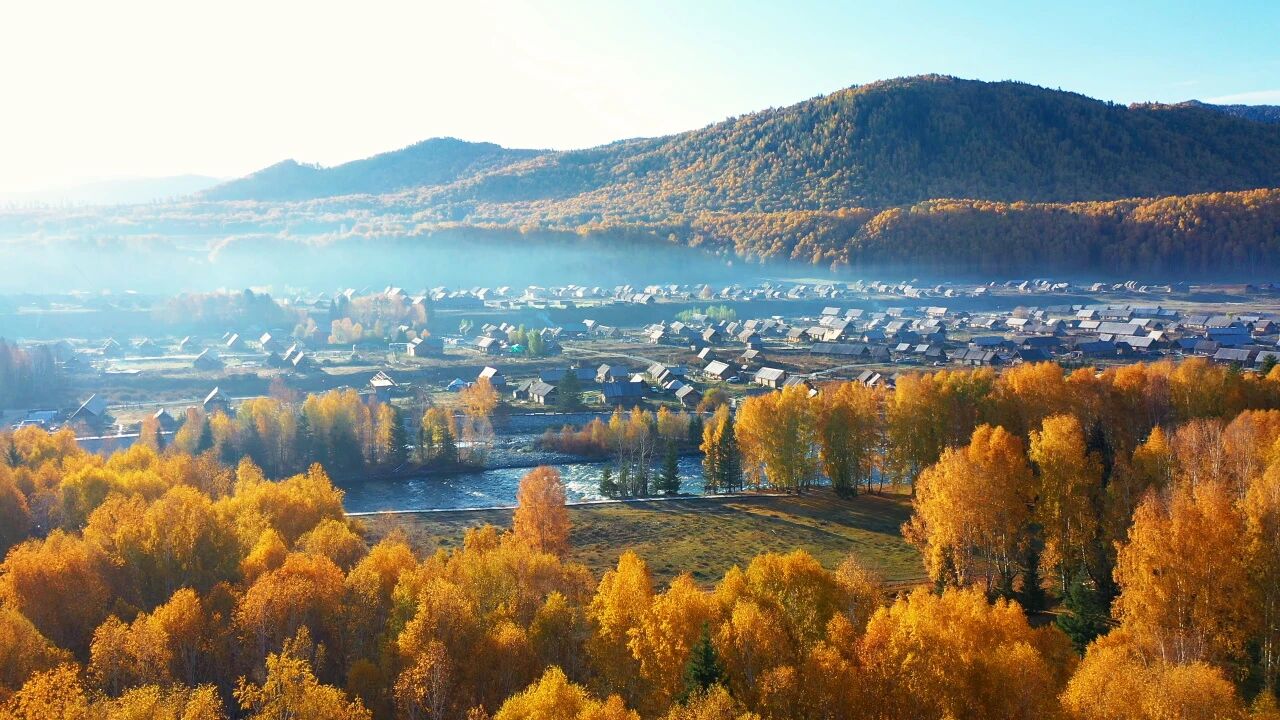
A Stroll Through the Birch Forest: In autumn, the birch trees turn brilliant gold, and sunlight filters through the canopy, casting dappled patterns on the ground. Walking across the soft carpet of fallen leaves adds a touch of romance to the experience.
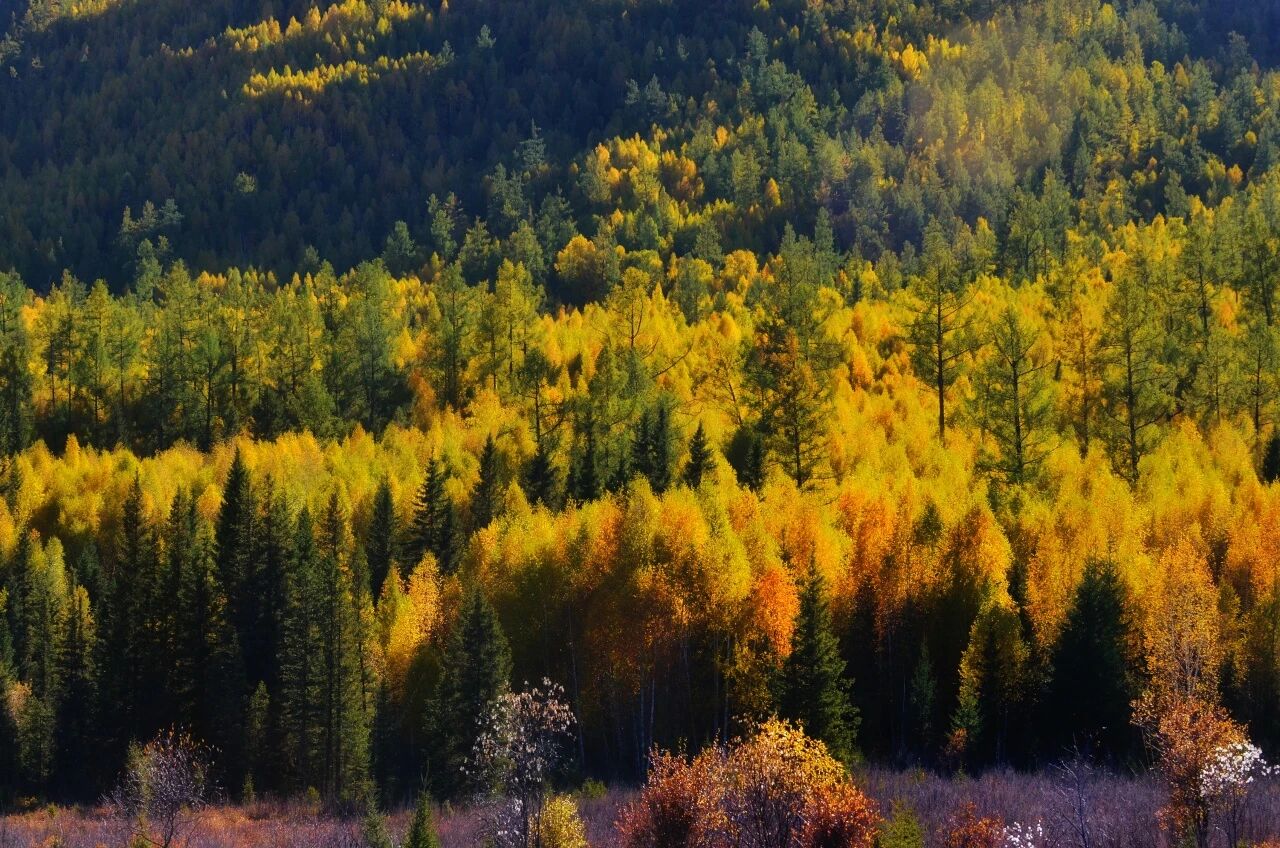
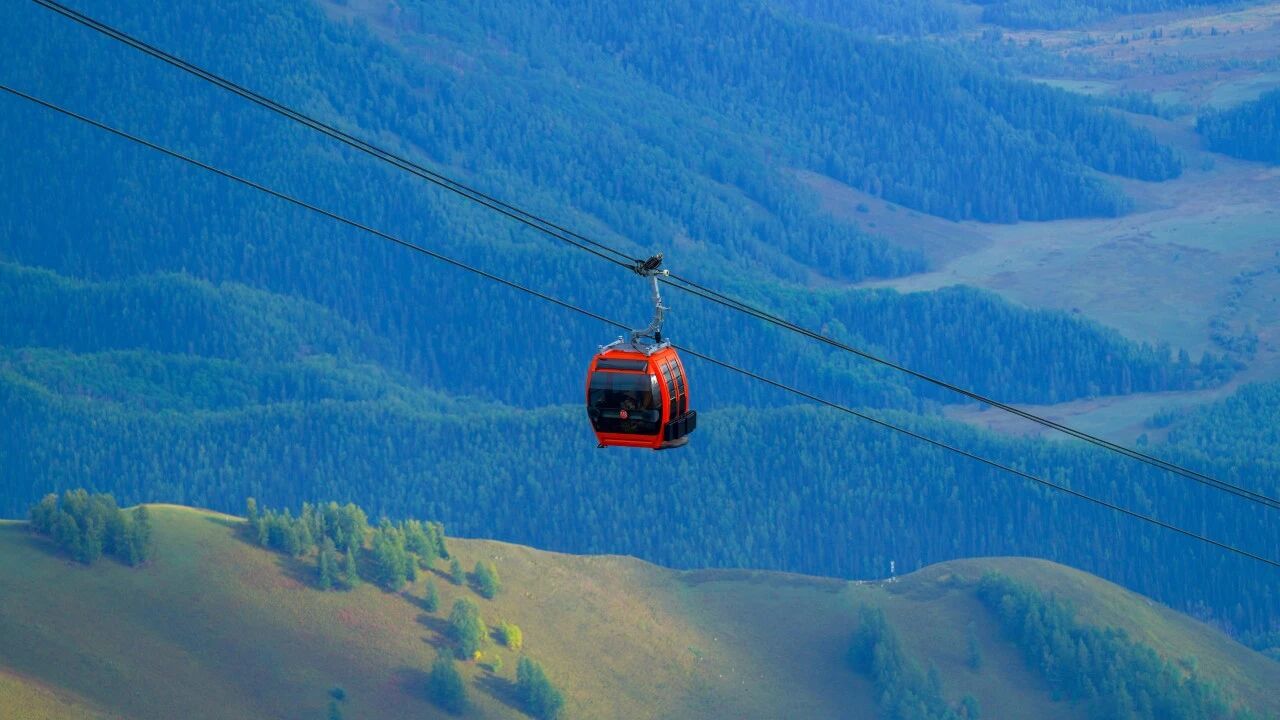
A Bird's-Eye View from the Yunxiao Peak Cable Car: Take the cable car to the mountain summit for sweeping views of Hemu Valley and its seemingly endless sea of golden birch forest.
The First Village of Northwest China: Baihaba Village
Important Reminder: A border pass must be obtained in advance before visiting Baihaba.
Recommended Spots
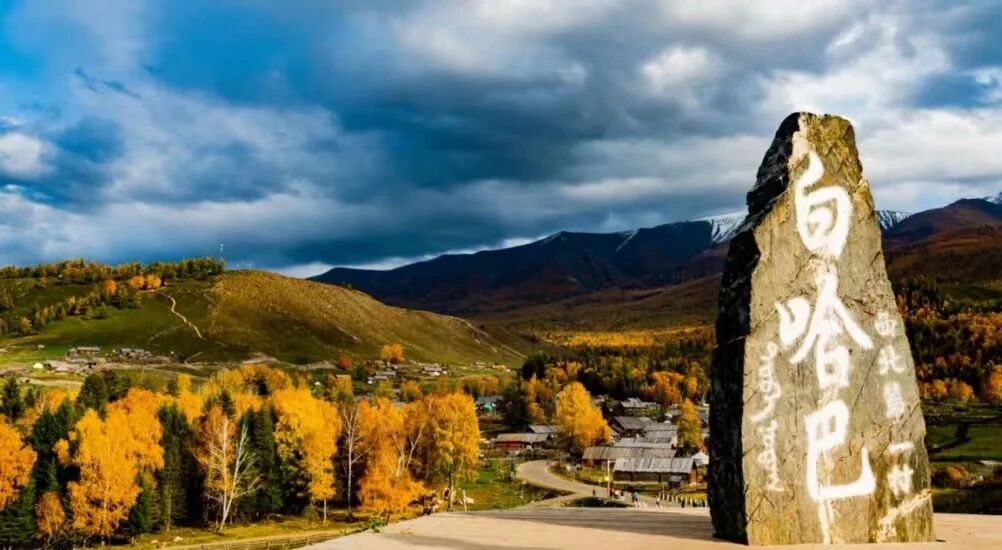
Village Views and Photo Ops: Upon arrival in Baihaba, be sure to take a commemorative photo in front of the stone monument inscribed "The First Village of Northwest China" to capture the autumn atmosphere of this remote frontier village.
Pristine Ancient Village
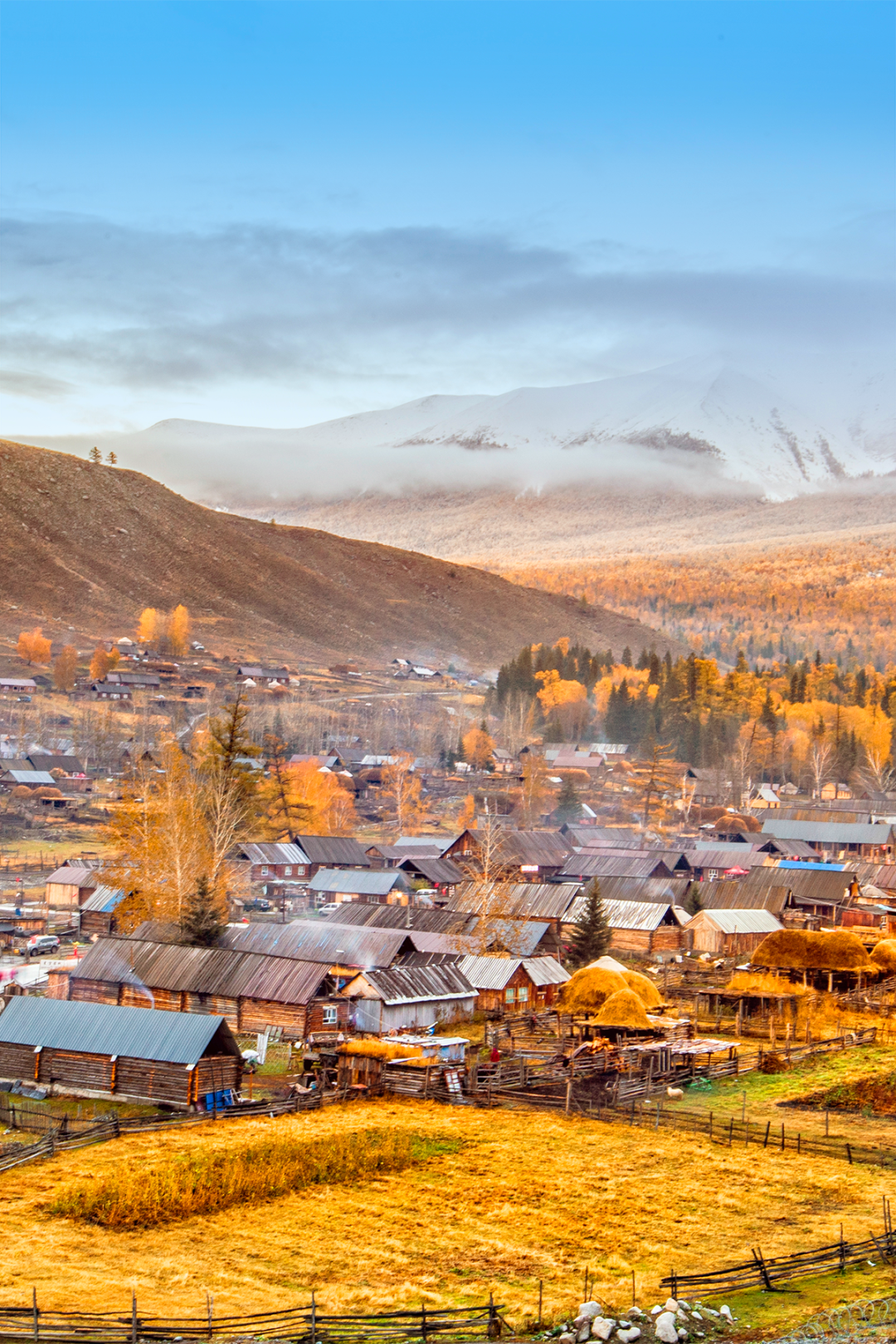
Traditional wooden houses are scattered across the village in picturesque disarray, surrounded by dense golden forests. Wander along the village lanes and enjoy the tranquility of autumn, far from the bustle of everyday life.
Transportation Hub & Gateway to Scenic Wonders: Altay City
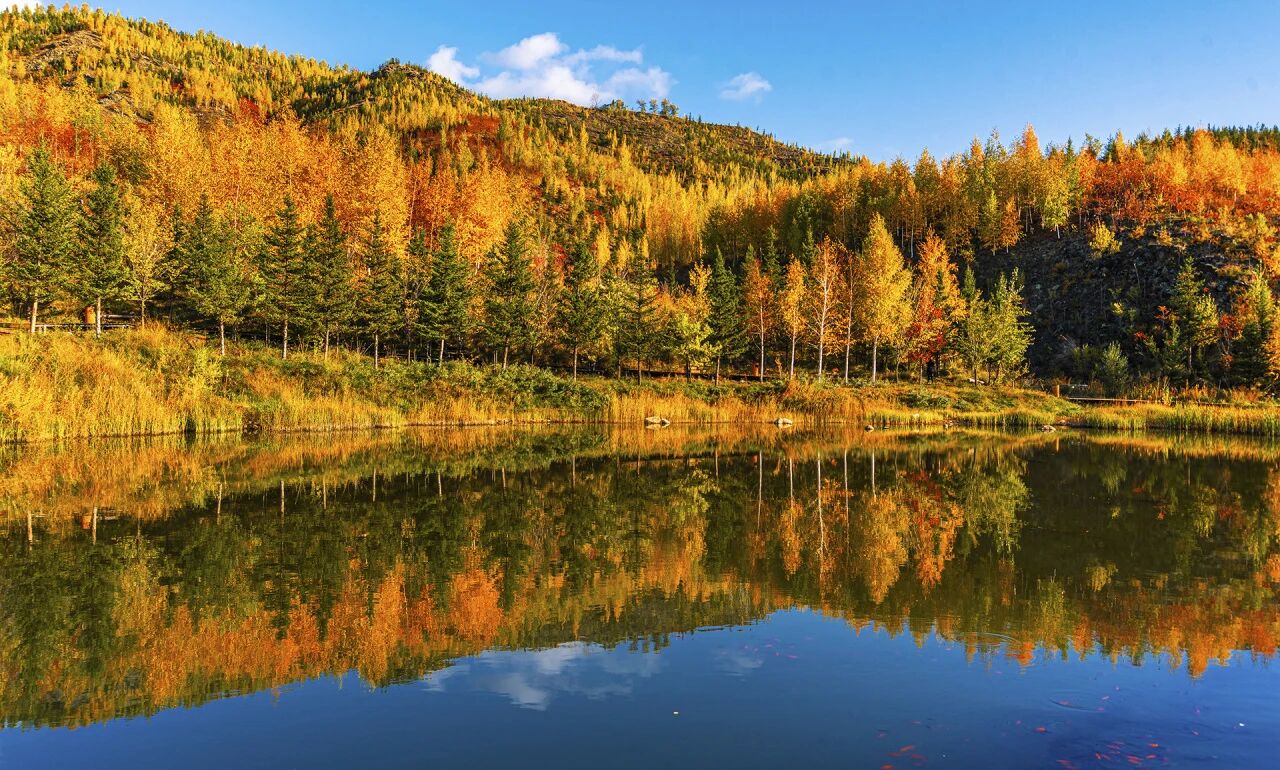
Altay City serves as a gateway to autumn sightseeing in northern Xinjiang. Visit Birch Forest Park to stroll among golden birch trees and see autumn foliage reflected on the water, or head to Jiangjun Mountain for sweeping views of the layered forests from above.
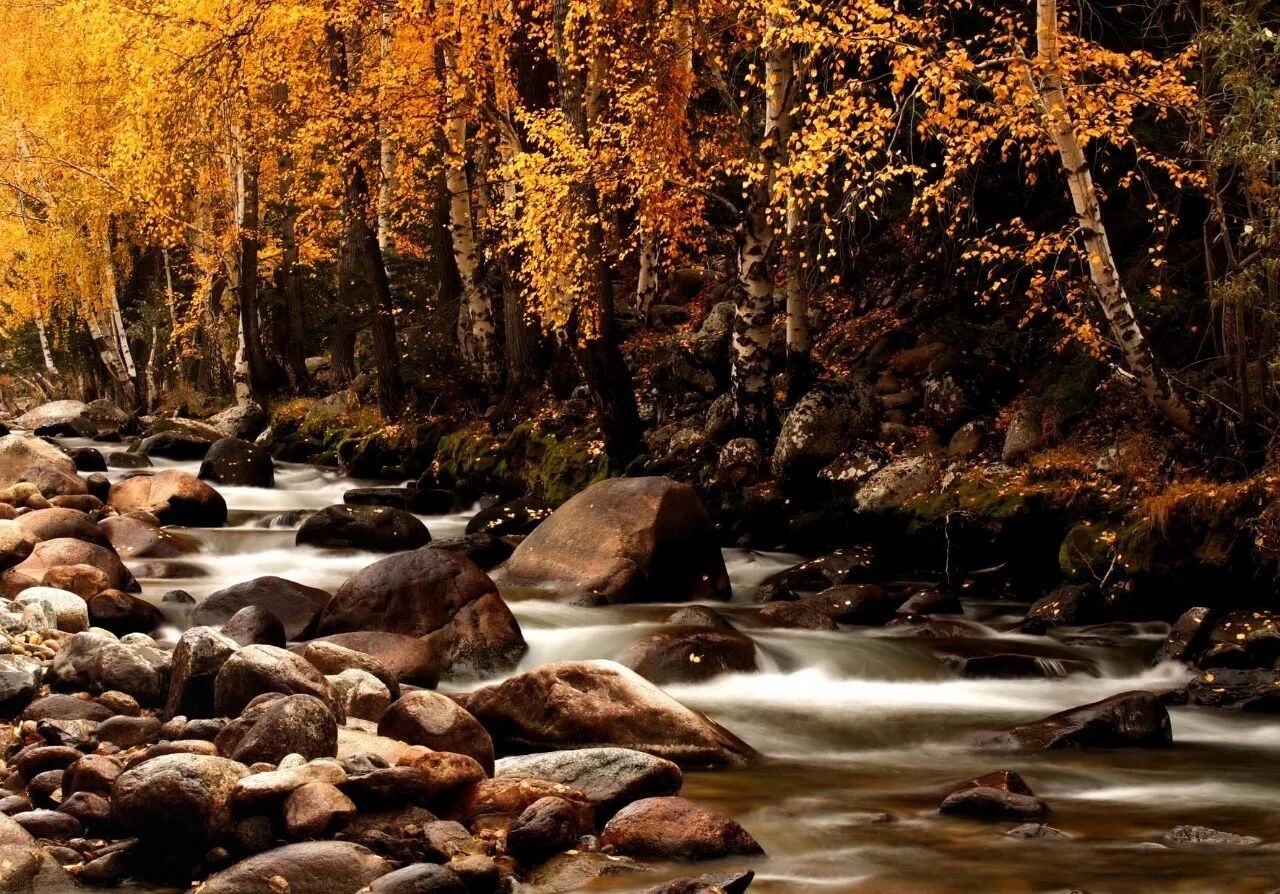
The Altay-Hemu highway winds through snow-capped mountains, deep canyons, rolling grasslands and vast golden forests, making it an excellent self-drive route for exploring northern Xinjiang in autumn. With two-way traffic throughout, it is well-suited to a leisurely road trip, with plenty of opportunities to stop for photos along the way.
A Fairytale Border Town & Sunset Spectacle: Burqin
Burqin is a key gateway to Kanas and Hemu—a charming border town with the warm, down-to-earth atmosphere of a storybook setting.
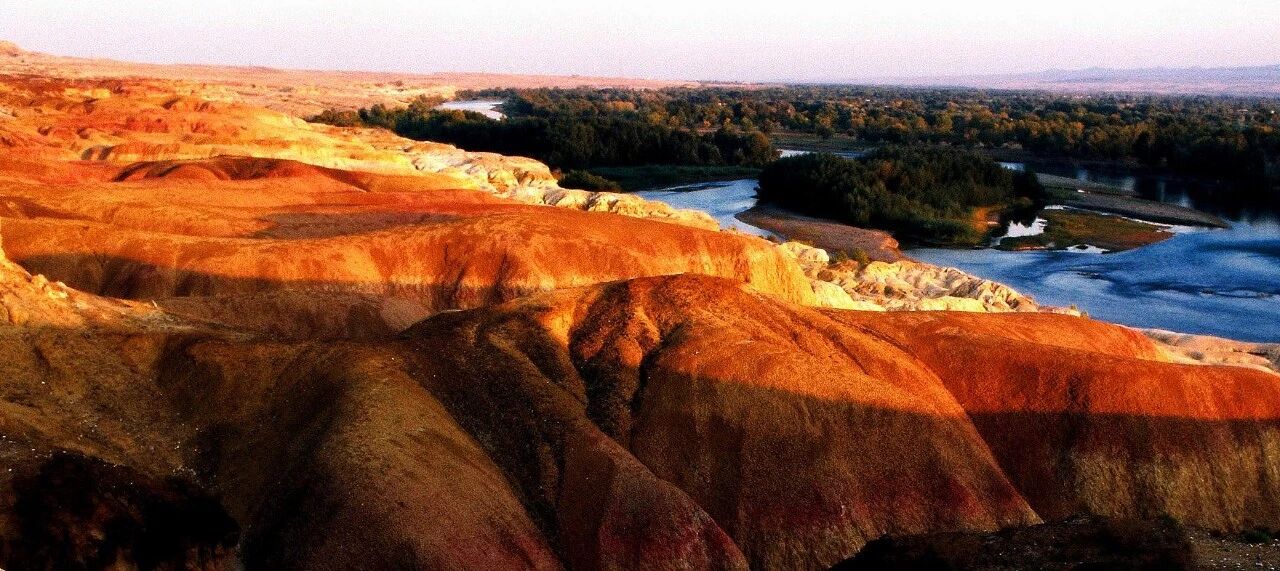
At dusk, head to Five-Coloured Beach (Wucaitan). As the autumn sun casts its slanting light across the landscape, the Yardang landforms glow in shifting shades of red, yellow, blue and green. These colorful formations contrast with the turquoise waters of the Irtysh River and the golden poplars along its banks, creating a striking sunset scene.
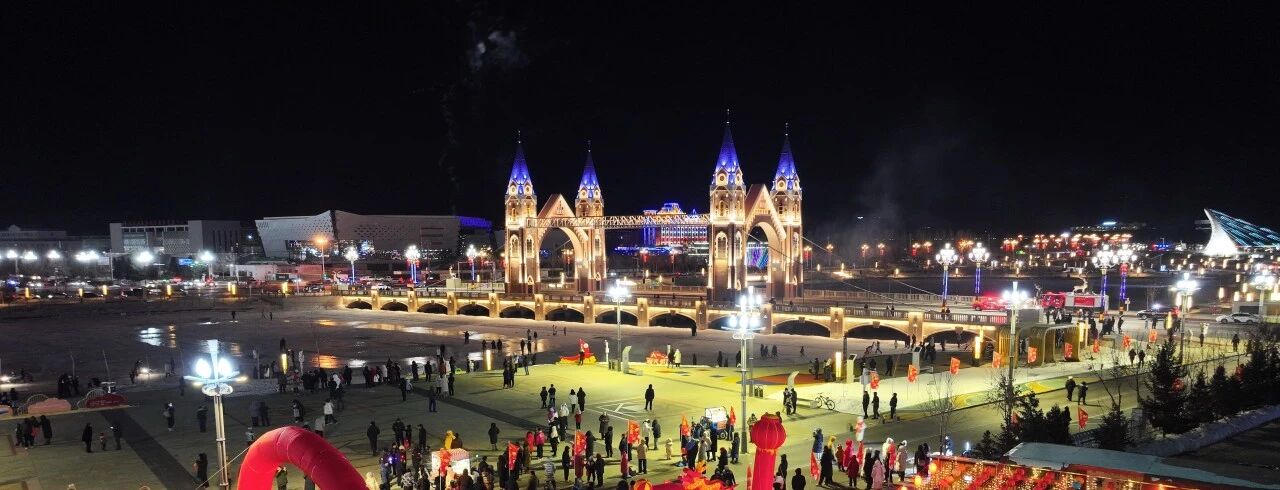
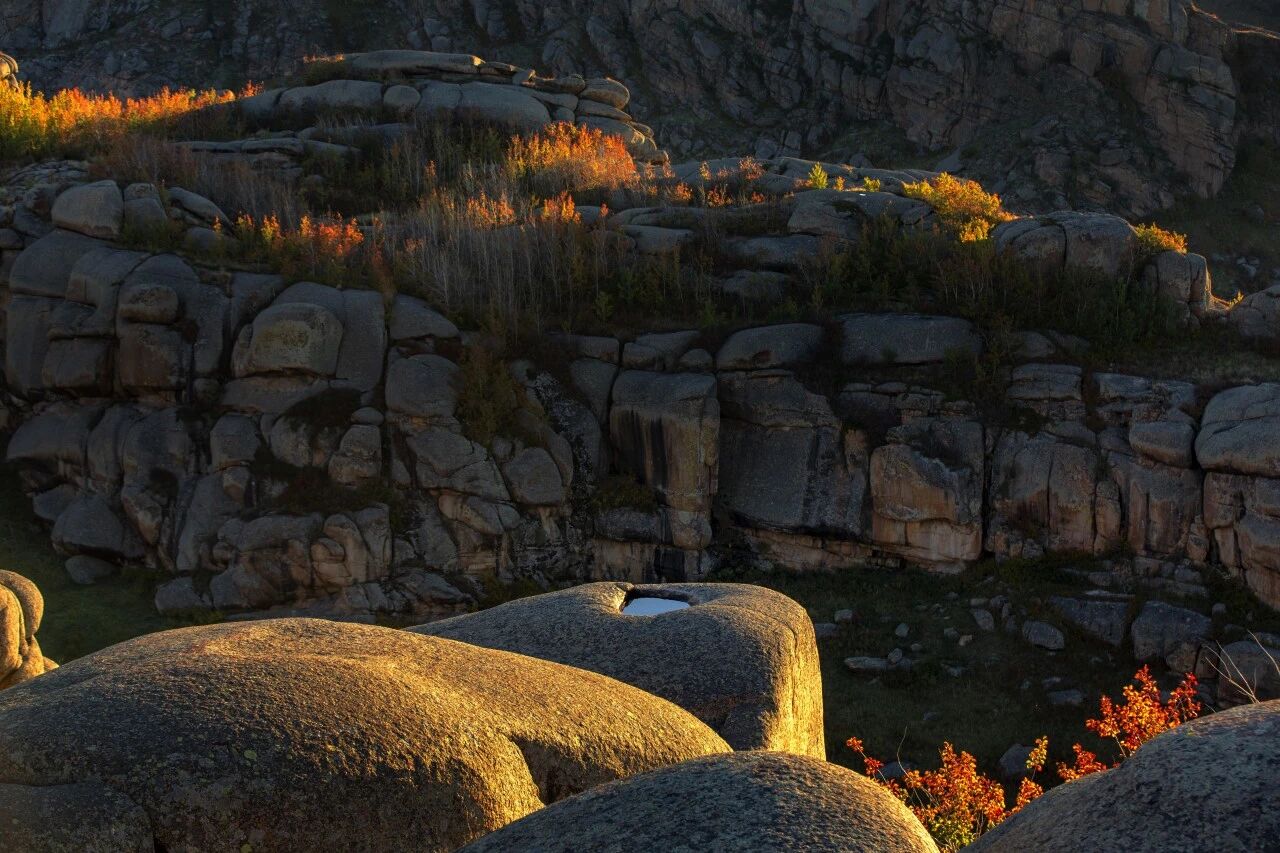
A Hidden Realm of Strange Stones: Jimunai Grassland Stone City
Dramatic wind-eroded rock formations stretch across the landscape in striking solitude. Set against golden autumn grasslands and distant snow-capped peaks, this destination is ideal for travelers seeking distinctive photographic subjects and a peaceful escape.
Travel Tips
Transport Guide
Recommended Arrival: Where possible, fly directly to Altay Airport, then rent a car or hire a private vehicle to reach the scenic areas.
Accommodation Reminder
Autumn is peak season for golden foliage. Advance booking through the "Yuanxing" mini-program is strongly recommended.
Clothing and Gear Guide
In autumn, temperatures in northern Xinjiang can vary by more than 15°C between day and night, with early morning temperatures dropping to around 0°C.
Layer Up: Wear a quick-drying base layer, a fleece midlayer and a windproof, waterproof jacket or lightweight down coat. Pair these with waterproof, slip-resistant footwear to stay comfortable while walking, sightseeing and taking photos.
Admission and Safety Notice
Ticket Booking: All scenic areas require visitors to purchase tickets online using their real names. Book in advance through the "Yuanxing" mini-program.
Safety Tips: Autumn boardwalks are often covered with fallen leaves, which can make them slippery. Do not climb over railings, approach dangerous waters or enter closed areas without authorization.
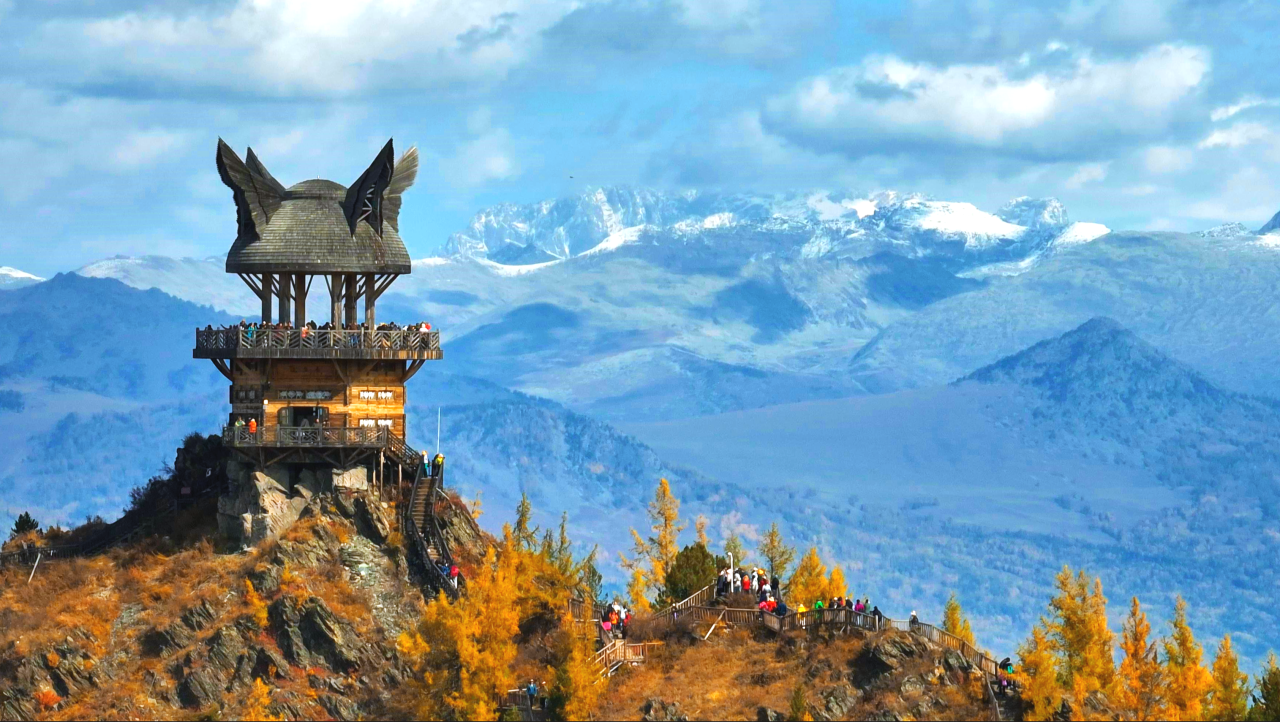
(Photo courtesy of Kanas Scenic Area Administrative Committee)