
 English


 Published: August 21, 2026
 Editor: Ziyan
Tucked in the heart of the Wuling Mountains in southwestern Hubei province, Enshi Tujia and Miao autonomous prefecture is defined by dramatic karst landscapes—canyons, caves and deep fissures carved over millennia. It is both a natural eco-tourism destination and a settlement of ethnic minorities such as the Tujia and Miao.
Enshi Grand Canyon
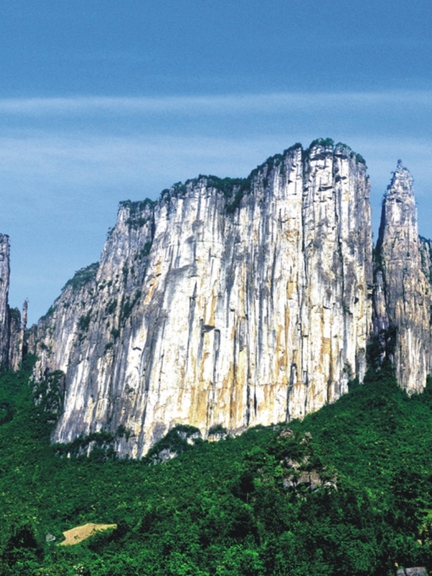
Enshi Grand Canyon is a masterclass in composite karst topography. Two areas are currently open: Qixingzhai (Seven-Star Village) and the Yunlong Difeng (Yunlong Earth Fissure). The iconic landmark is the "One Incense Pillar" (Yizhu Xiang)—a freestanding limestone column about 150 meters tall, perched on a base just 6 meters across. The cliffside plank road hugs the rock face for 488 meters, offering vertiginous views into the gorge.
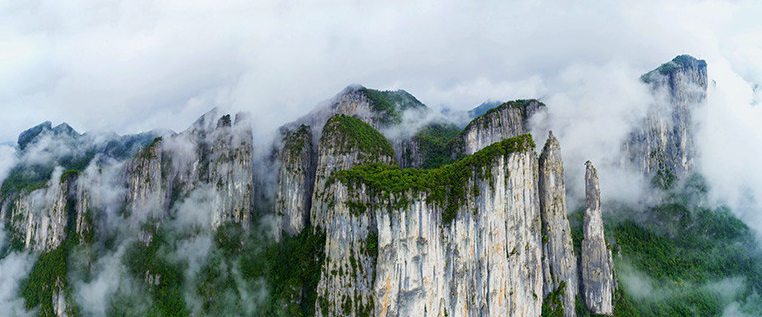
Enshi Grand Canyon
screenshot from the official website of the Enshi Tujia and Miao Autonomous Prefecture Bureau of Culture and Tourism
Tenglong Cave
Tenglong Cave is a colossal natural karst cave system, blending mountains, water, caves and forest into one. The temperature inside stays around 14°C year-round. The explored part of the cave measures 59.8 kilometers. Within, the "Crouching Dragon Swallowing the River" waterfall plunges 30 meters from the Qingjiang River into an underground stream. The cave also hosts the regular stage production"Yishui Lichuan," which weaves together more than 10 intangible cultural heritage items—including Lichuan lantern songs and Roulianxiang (body percussion dance)—with lighting and sound effects tailored to the cave's acoustics and rock formations.
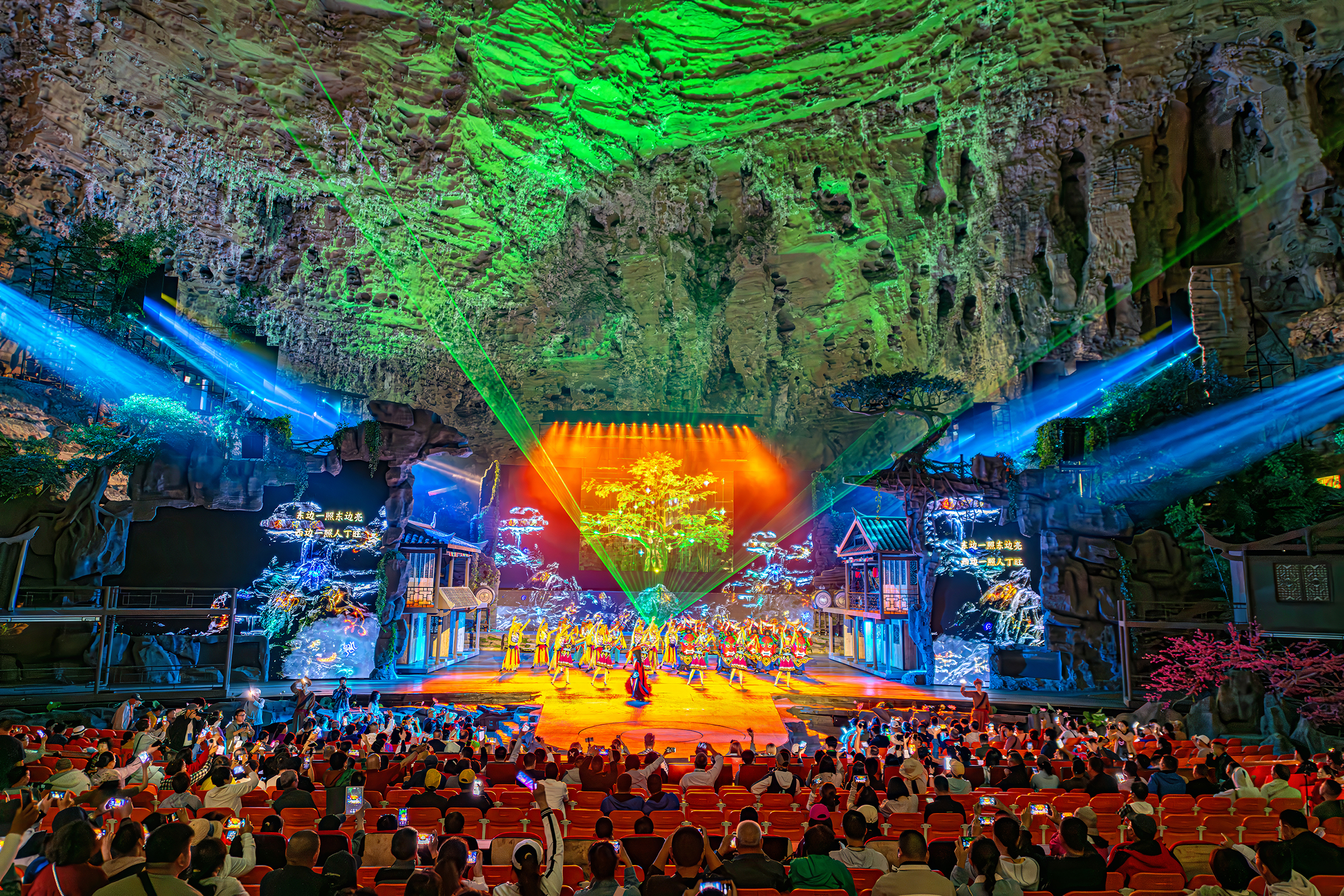
Tenglong Cave laser show
Image courtesy of China Tourism News Photo Library
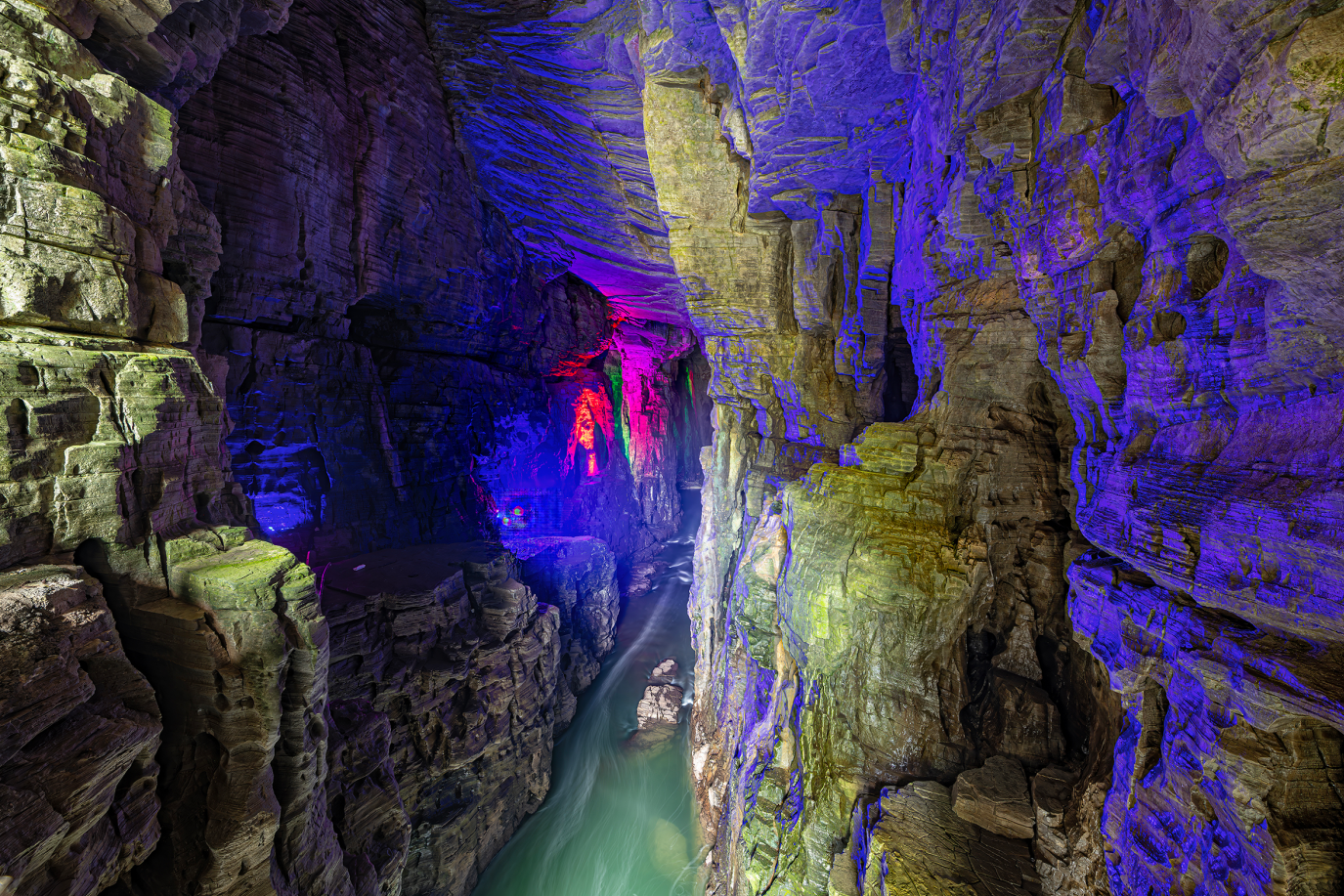
Tenglong Cave
Image courtesy of China Tourism News Photo Library
Pingshan Canyon
Pingshan Canyon stretches 18 kilometers through sheer rock walls and crystal-clear water. Visitors glide by boat through narrow waterways, gazing up at the "Thin Strip of Sky"—a slit of daylight between towering cliffs.
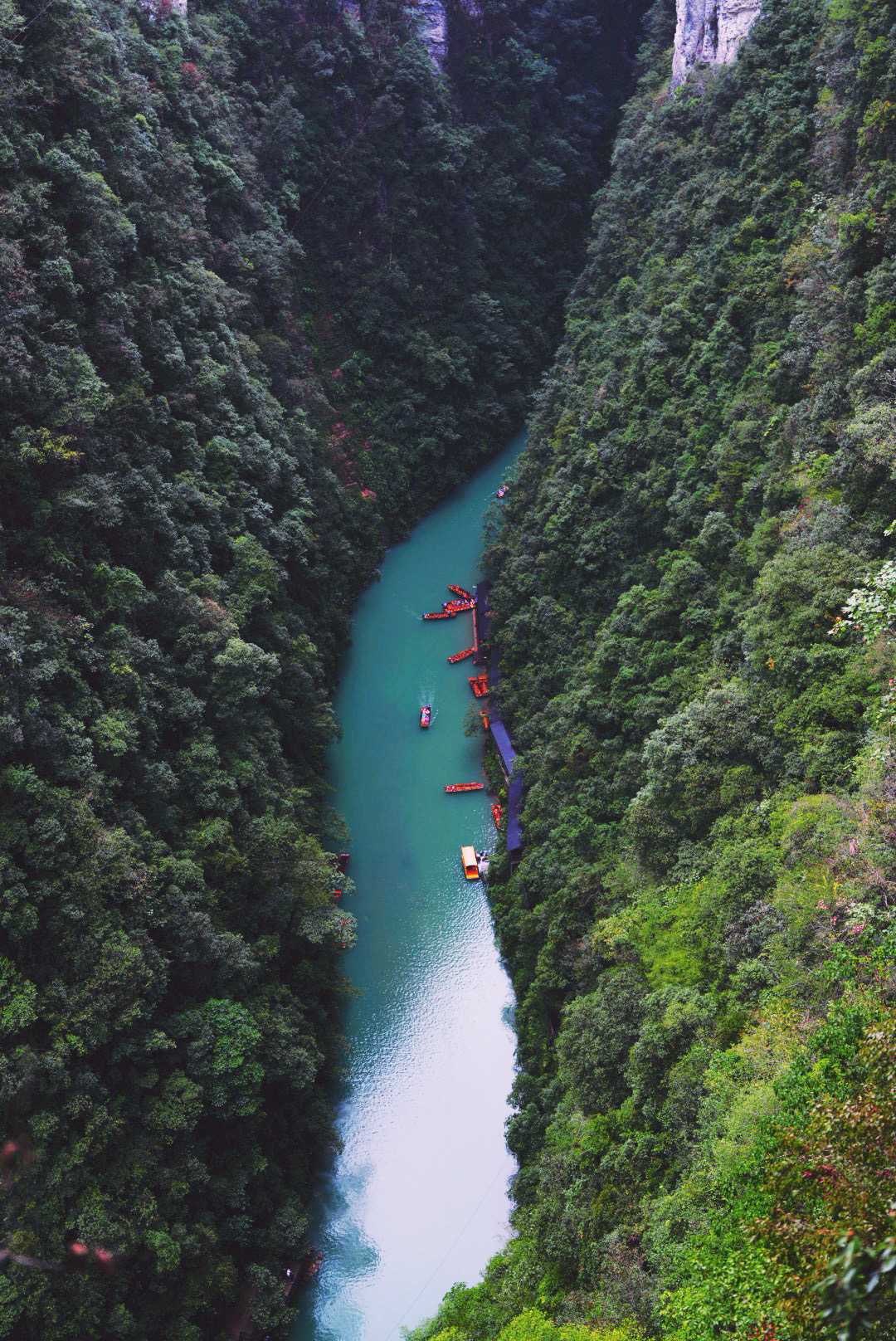
Pingshan Canyon
Image courtesy of China Tourism News Photo Library
Enshi Tusi City
Enshi Tusi City is a recreated Tujia hillside settlement of archaistic wooden architecture, covering more than 300 mu (20 hectares). Highlights include the Nine-Bay Hall (Jiu Jin Tang), a wind-and-rain shelter bridge, Tusi city walls, a bell tower and a drum tower. The Nine-Bay Hall is built entirely with mortise-and-tenon joinery—no nails—showcasing the sophistication of traditional Tujia craftsmanship.
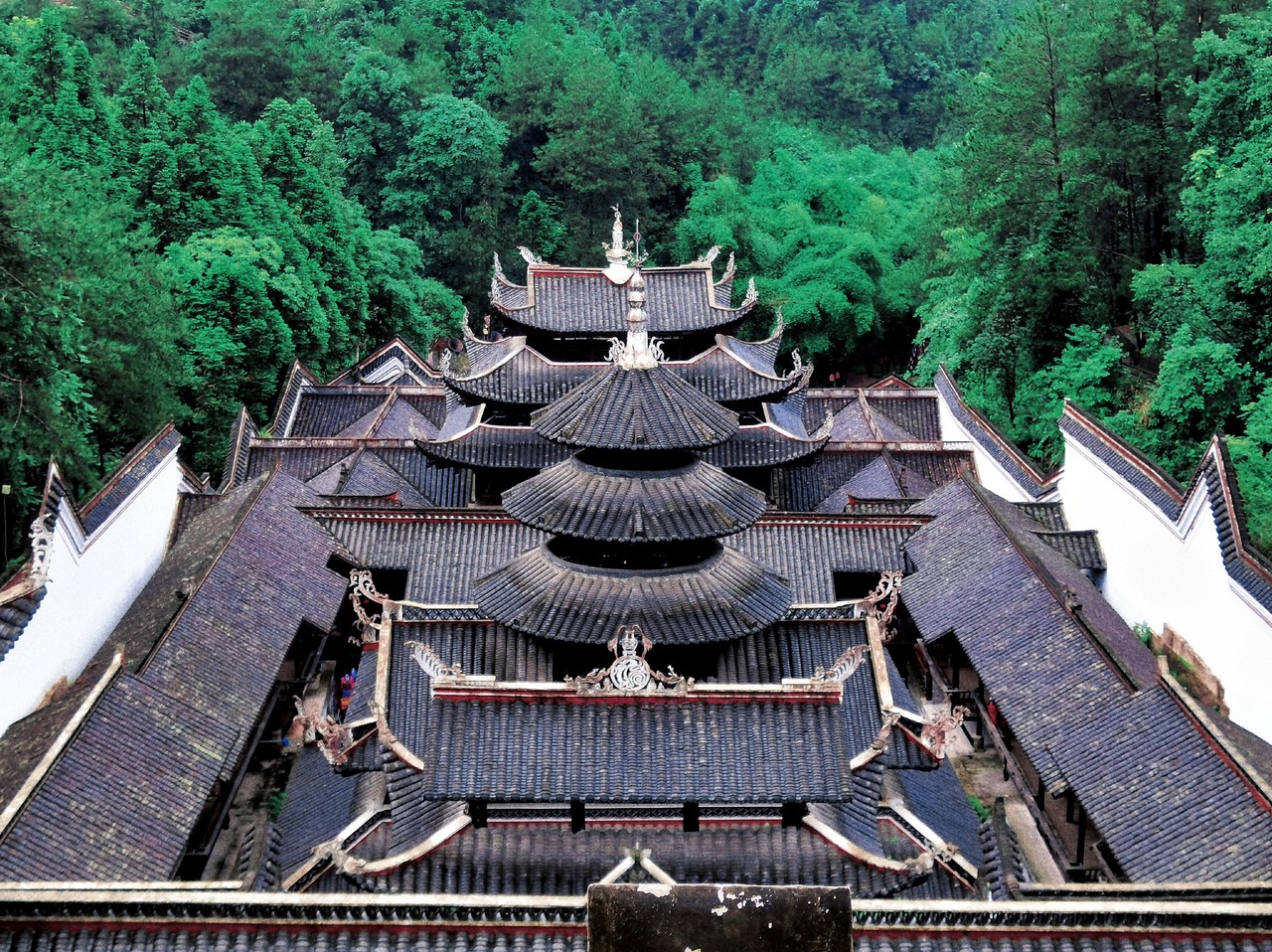
Enshi Tusi City
Photo: Tuchong Creative
Enshi Tujia Girls' Town
Enshi Tujia Girls' Town is an open district that blends Tujia culture, commerce and entertainment across 110,000 square meters, laid out in a grid of three east-west and two north-south streets. The area features a Tujia Folk Museum, a snack street with local specialties, a performance plaza and themed inns—a lively spot to experience Tujia hospitality.
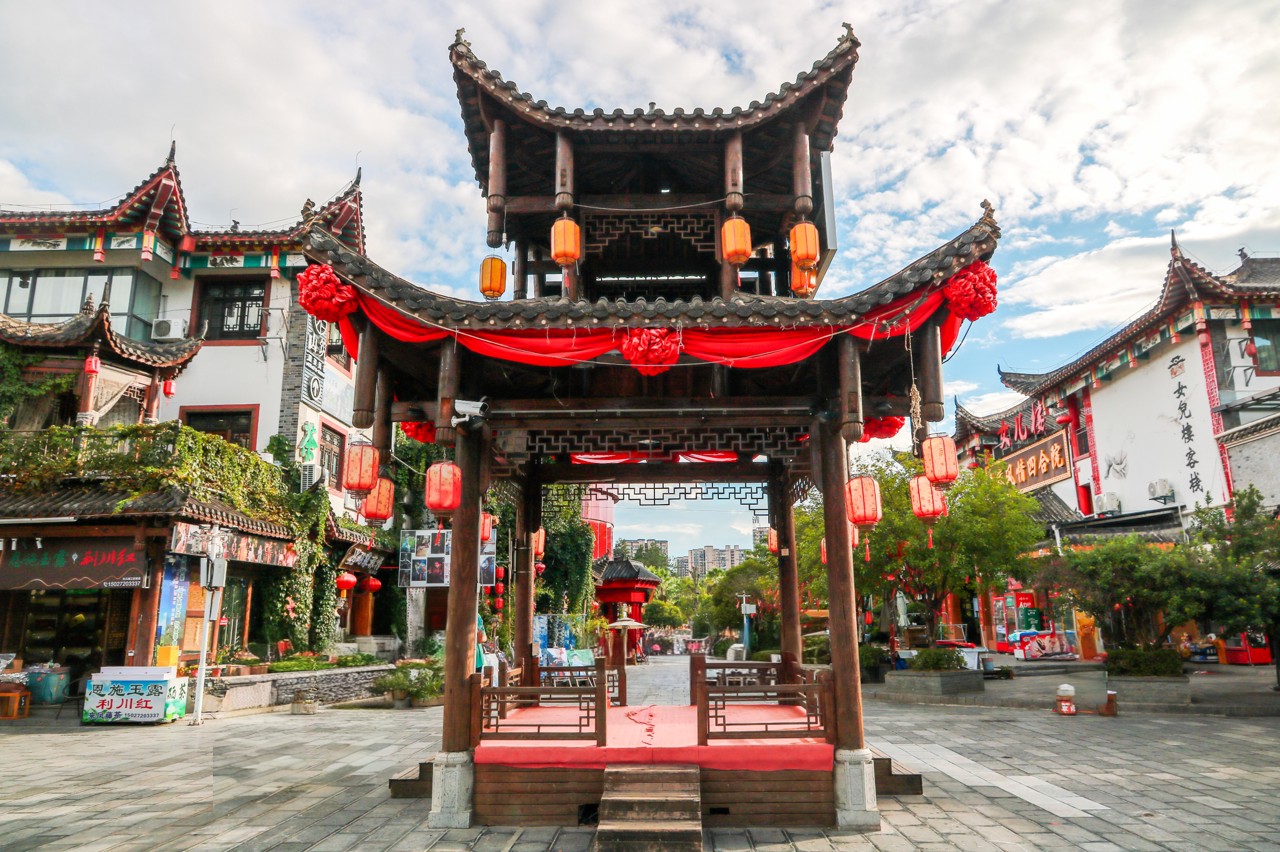
Enshi Tujia Girls' Town
Photo: Tuchong Creative