
 English



 Published: October 26, 2026

 Editor: Qianchen
The 15th day of the eighth month in the Chinese lunar calendar marks one of the most important traditional festivals for Chinese people—the Mid-Autumn Festival. On this day, families gather to admire the moon and eat mooncakes, expressing their hopes for reunion and happiness. The round shape of the mooncake symbolizes "reunion" and "perfection," making it an indispensable part of the Mid-Autumn Festival table.
Among the many regional styles, Cantonese-style mooncakes are among the most widely enjoyed. They are known for their thin crusts, generous fillings and exquisite patterns, and they come in two categories — lotus seed paste and mixed fillings, and many varieties, including five-kernel, lotus seed paste, winter melon paste and red bean paste mooncakes.
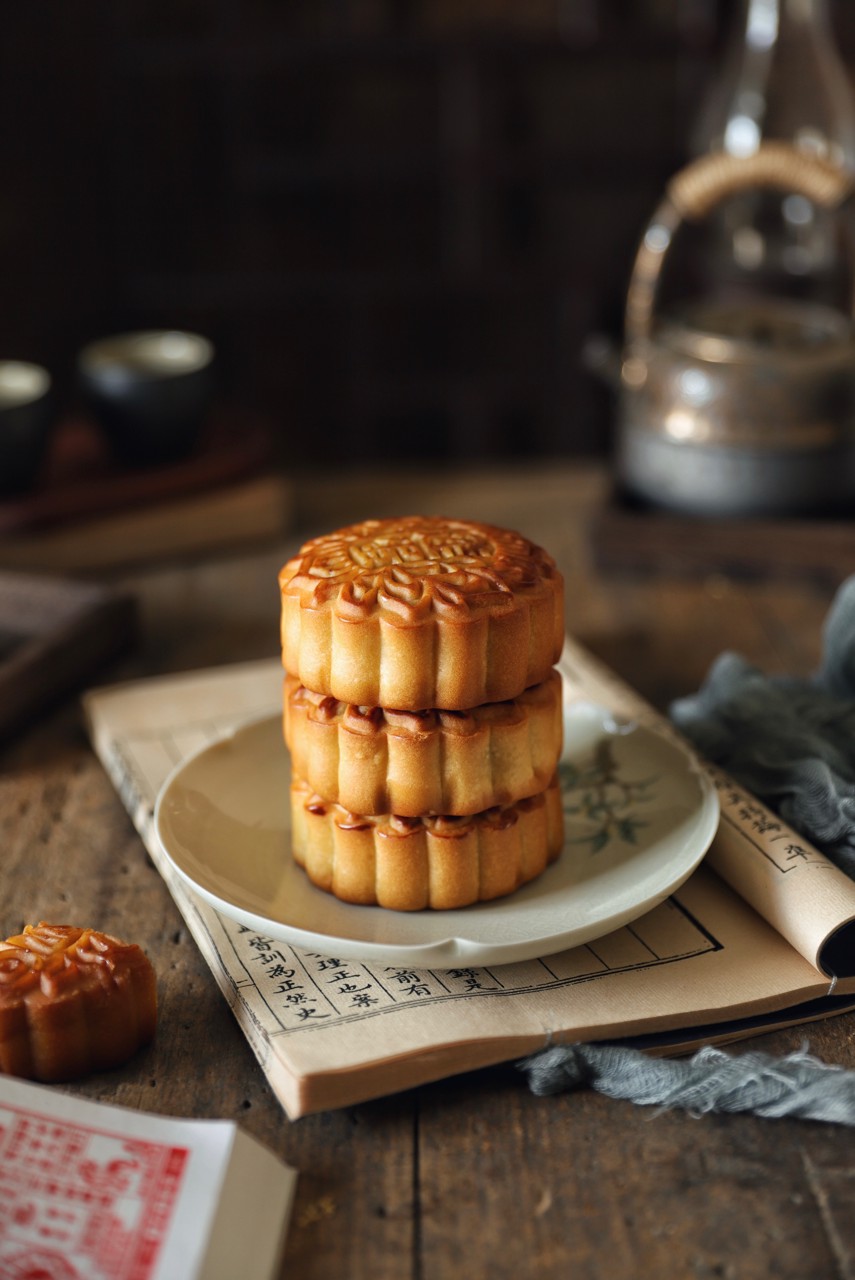
Cantonese-style mooncakes
Five-kernel mooncakes use almonds, walnuts, olive kernels, sesame seeds and melon seeds as the main filling ingredients, mixed with candied citrus to form a paste. Layer upon layer of assorted nuts makes these mooncakes among the most generously filled of all Cantonese varieties.
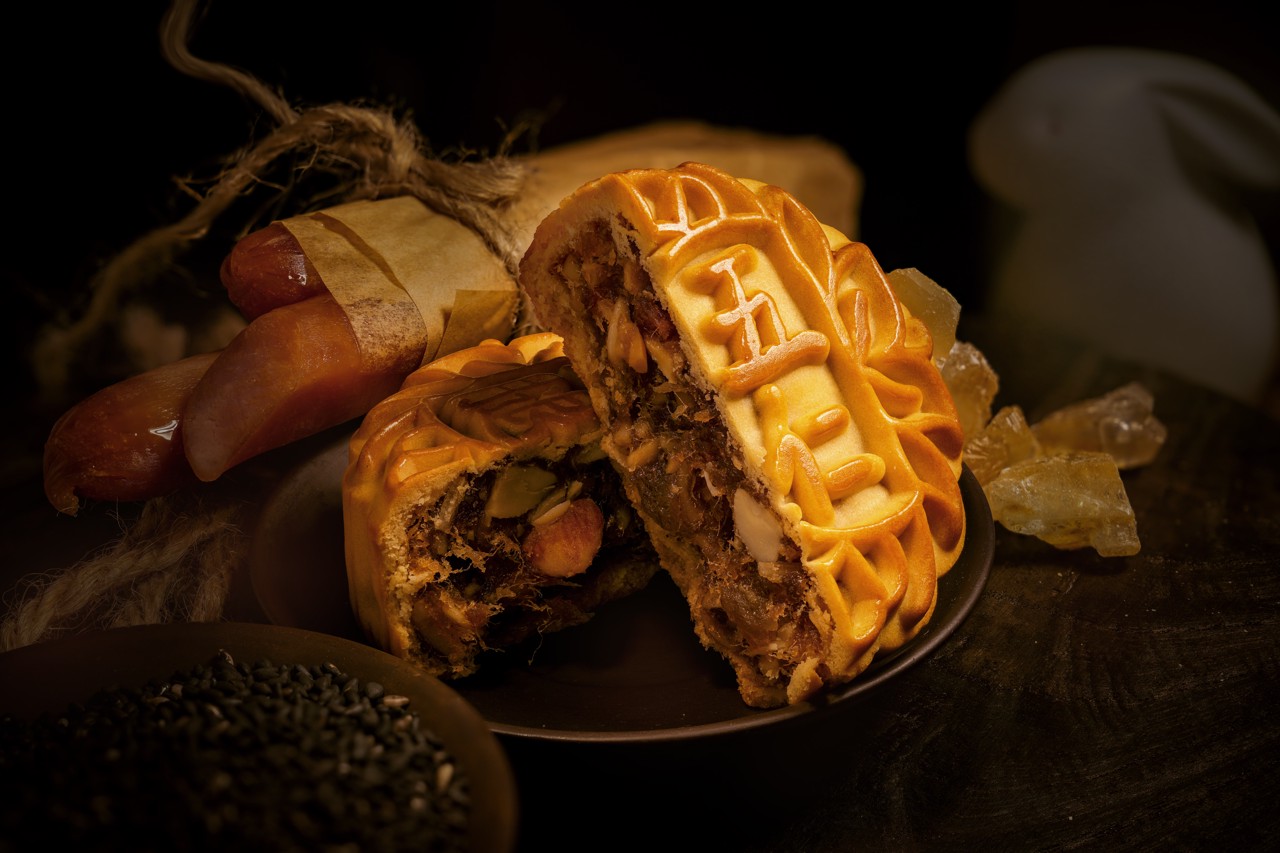
Cantonese-style five-kernel mooncakes
Lotus seed paste mooncakes use lotus seed paste as the filling, giving them a golden color and a sweet, satisfying taste. Some makers add salted egg yolks to the lotus seed paste, creating a sweet-and-savory contrast and an even richer texture.
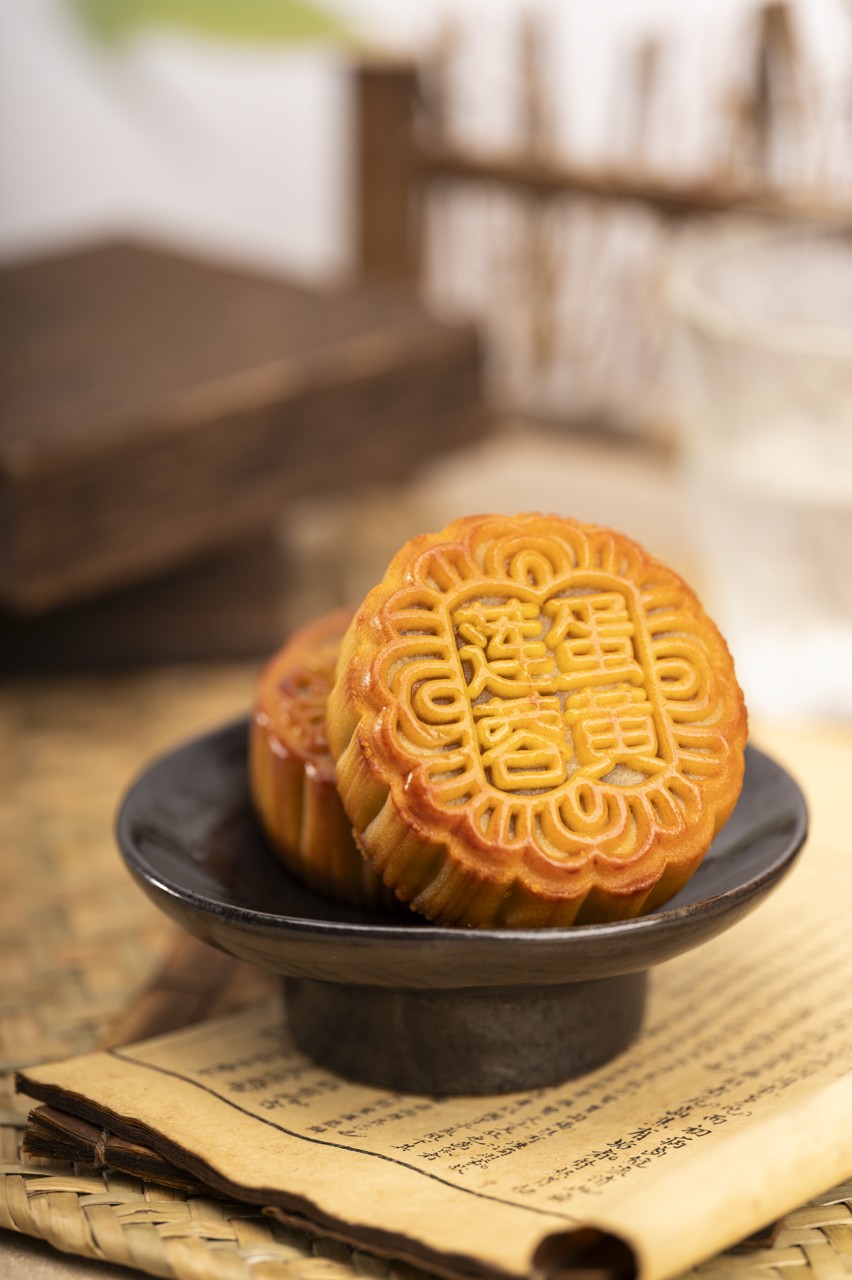
Cantonese-style lotus seed paste mooncakes with egg yolk
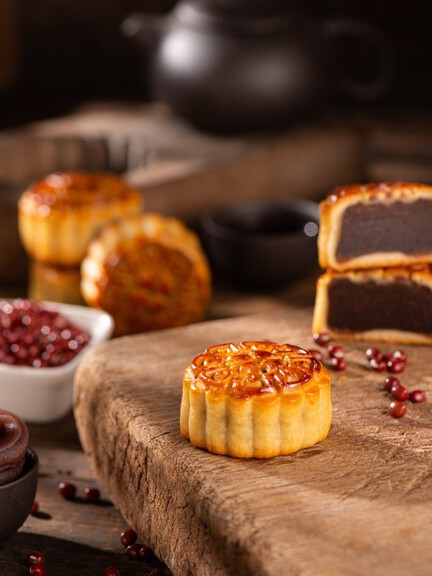
Red bean paste mooncakes use red bean paste or mung bean paste as the base, with a touch of dried tangerine peel and osmanthus to enhance the flavor. The red bean paste is fragrant and glutinous, while the gentle sweetness of osmanthus lingers faintly.
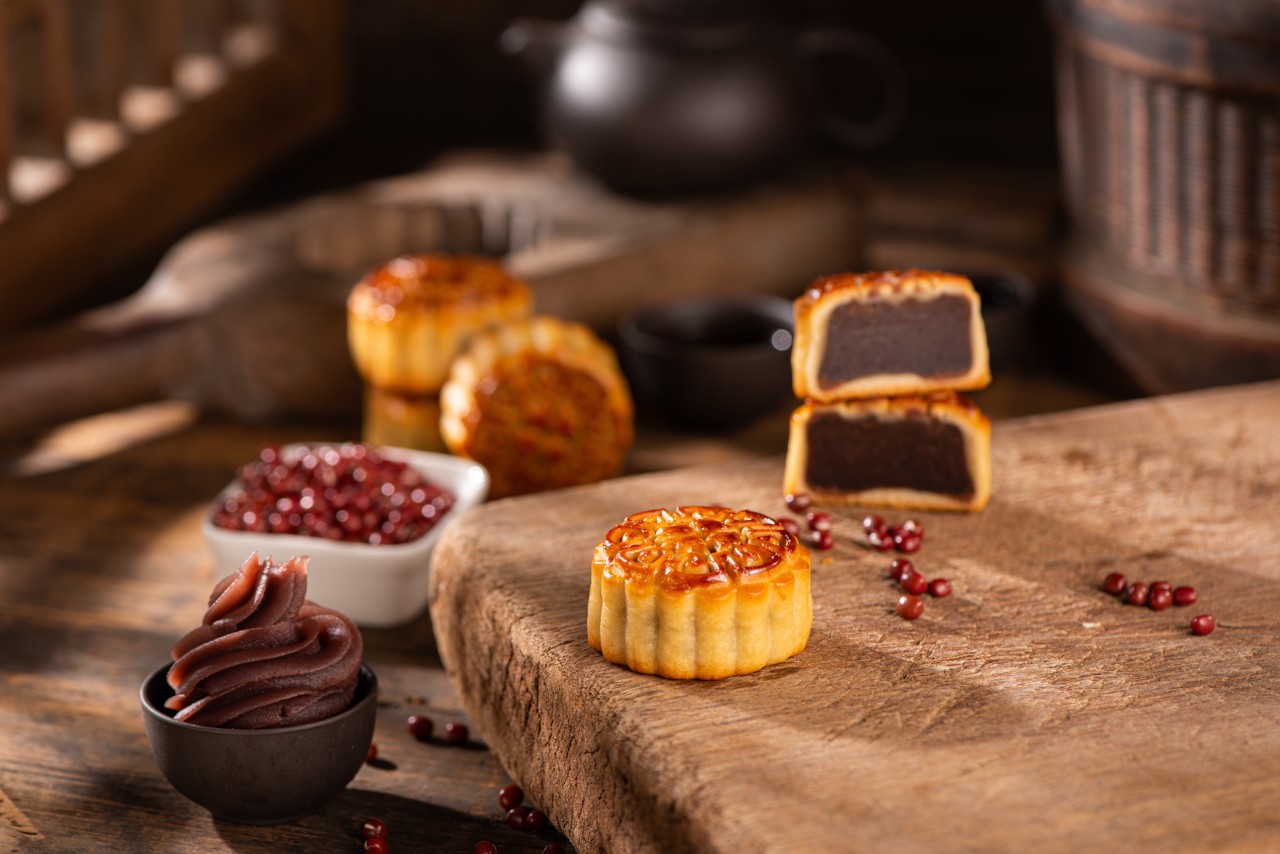
Cantonese-style red bean paste mooncakes