
 English


 Published: August 3, 2026
 Editor: Xinxin
In southeastern Xizang lies a hidden "paradise"—a land of towering snow-capped mountains, rushing rivers, dense forests, and dreamlike seas of flowers. This is Nyingchi, Xizang's lowest-altitude area, hailed as the "Jiangnan of the Snowy Plateau," where every season offers breathtaking scenery. In summer, rain and mist shroud Nyingchi in a delicate veil, creating an ethereal landscape where every snapshot looks like a postcard. With an average summer temperature of around 16℃, it is also an ideal escape from the scorching heat elsewhere.
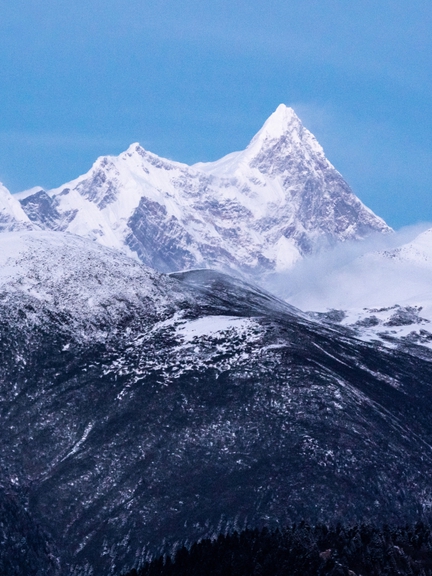
Now is the perfect time to visit Nyingchi, with its mild climate and lush summer greenery. On Serkyim La Mountain, alpine rhododendrons are in full bloom, with clusters of pink, red, white, and purple flowers carpeting the slopes. In the distance, the majestic Mount Namcha Barwa looms through drifting clouds and mist. Strolling along lakeshores and forest trails, visitors are treated to a landscape where snow-capped peaks, blossoming flowers, and ancient forests blend into one—a gentle and enchanting scene unique to Xizang.
Recommended attractions
1. Serkyim La Mountain
Serkyim La Mountain marks the boundary between the eastern and central-western parts of Bayi district in Nyingchi and serves as the watershed between the Nyang River and the Parlung Tsangpo River. The southern section of the Sichuan-Xizang Highway winds through the area. From the mountain pass at an elevation of 4,728 meters, visitors can take in spectacular sunrises, seas of clouds, and sweeping forest vistas—and, with a bit of luck, catch a distant glimpse of Mount Namcha Barwa.
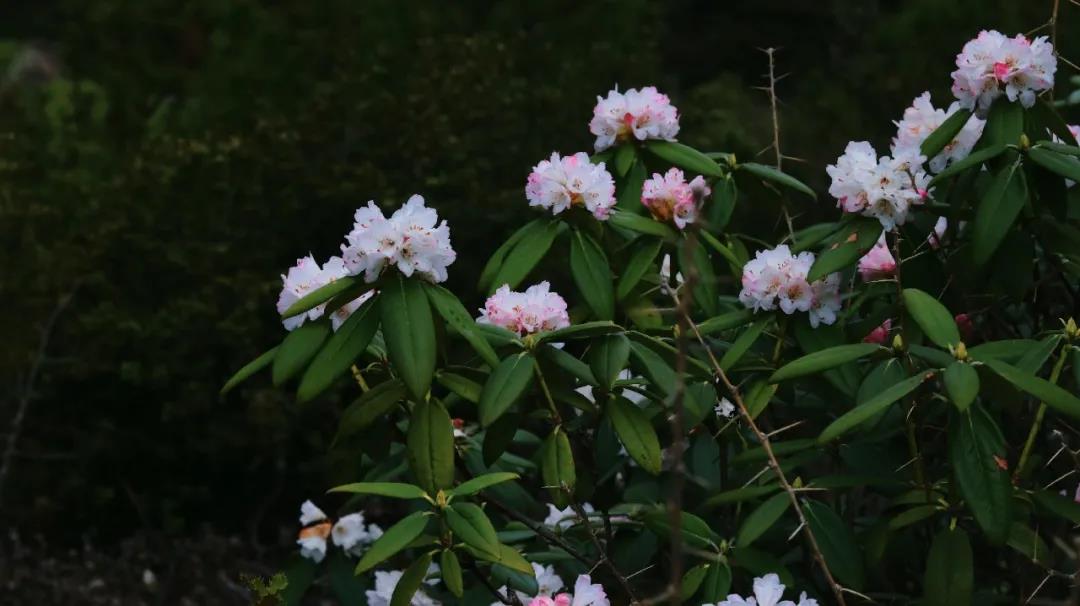
Rhododendron blossoms on Serkyim La Mountain (Photo: Nyingchi Bureau of Culture and Tourism)
The mountain's most spectacular sight is its vast expanse of rhododendrons blanketing the mountainsides and valleys. Covering a wide area and encompassing a rich variety of species, the blossoms create a magnificent display each spring. From mid-April to late June, rhododendrons bloom in succession from the foothills to the mountaintops, reaching their peak in June, when the slopes are carpeted in yellow, white, purple, deep red, light red, and pink, forming a spectacular sea of color.
2. Mount Namcha Barwa
Mount Namcha Barwa
Mount Namcha Barwa
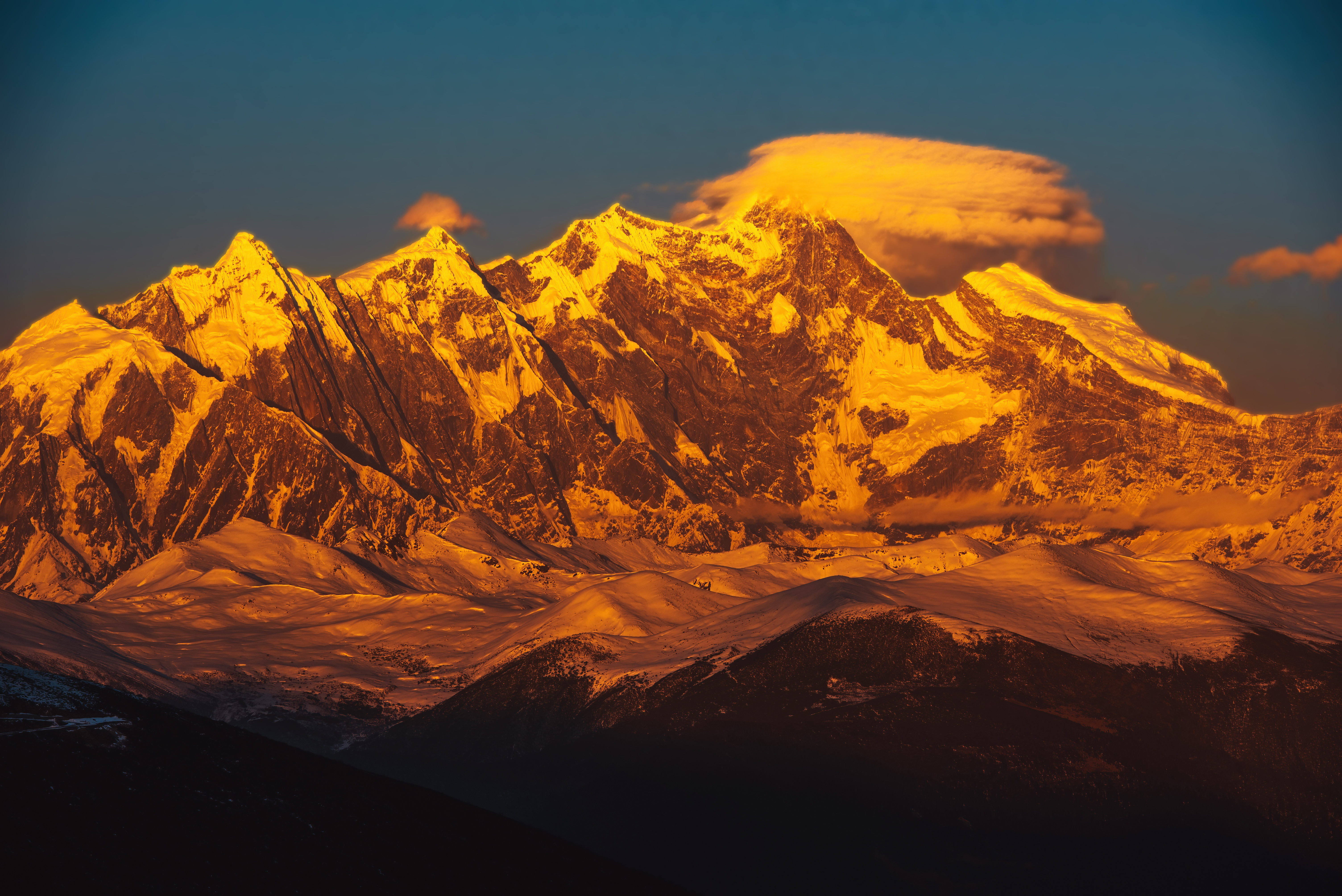
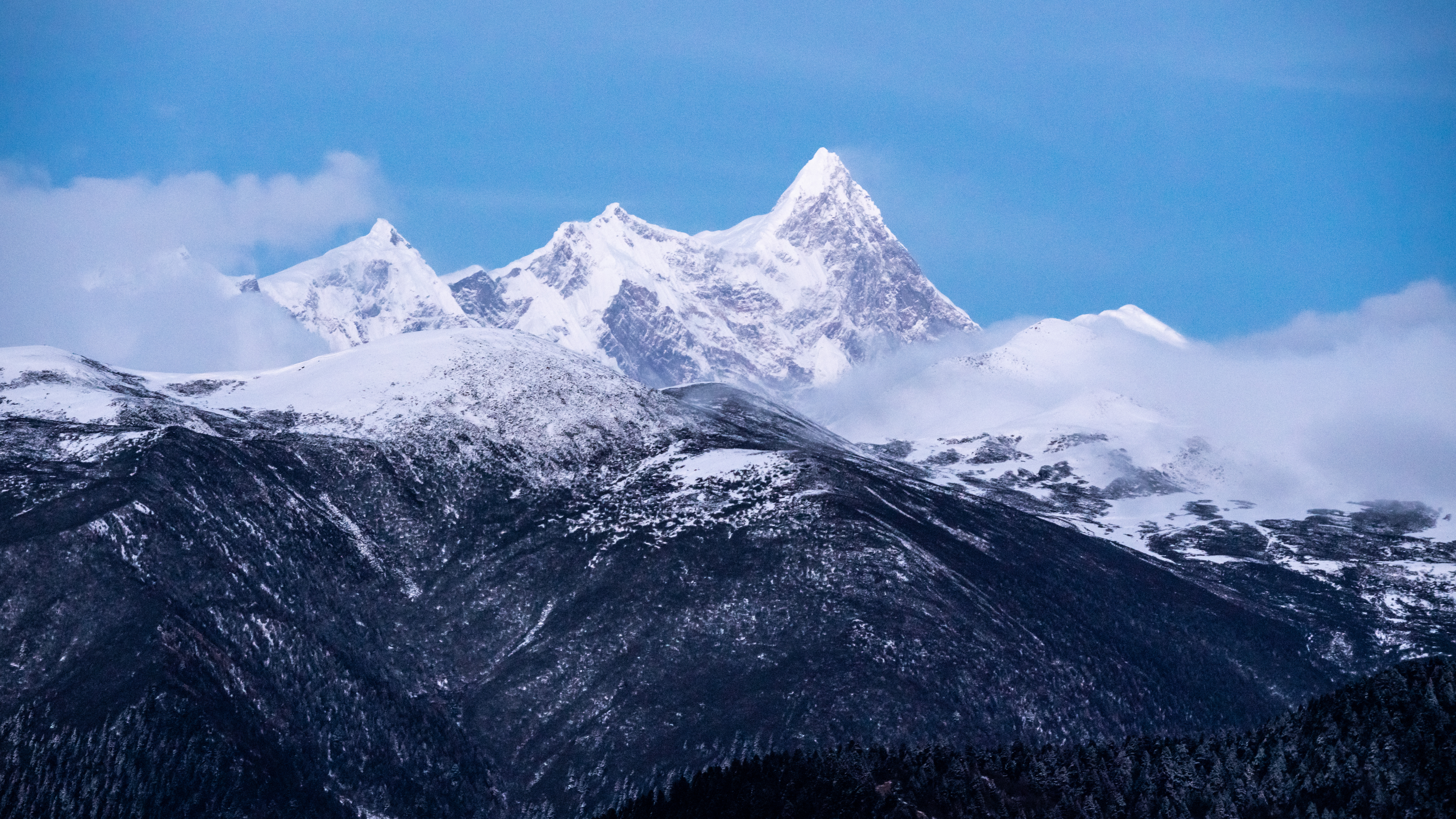
Mount Namcha Barwa, part of the Himalayas, is Nyingchi's highest peak, rising to 7,782 meters. Its natural landscape is remarkably diverse. From its glacial snowcaps down to the tropical rainforest of the Yarlung Zangbo River valley, the mountain encompasses nine distinct vertical vegetation zones, compressing landscapes from frigid alpine environments to tropical rainforest into a single mountain—a rare natural wonder.
Recommended hiking routes
Hiking along Xincuo
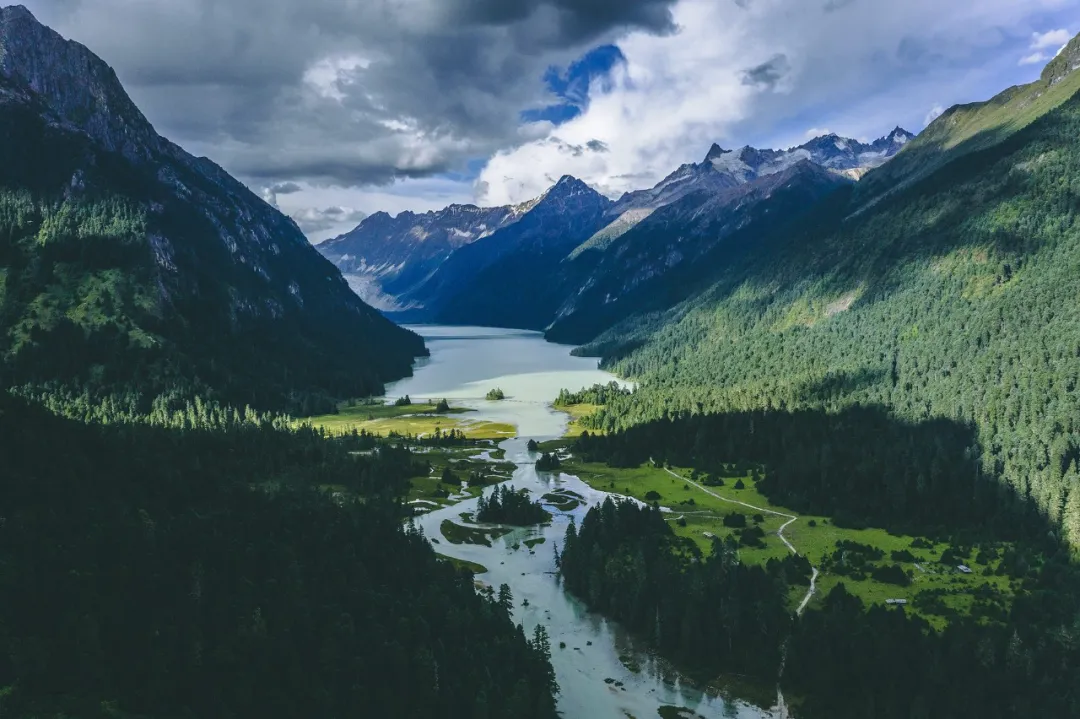
Photo: Nyingchi Bureau of Culture and Tourism
This beginner-friendly, 7-kilometer round-trip hike is an excellent introduction to high-altitude trekking. Hidden deep within a valley in the Basum Tso scenic area, the trail offers sweeping views of southeastern Xizang's signature landscapes. Snow-capped peaks rise above cool forests, birdsong echoes through the mountain streams, and babbling brooks provide a soothing soundtrack along the way.
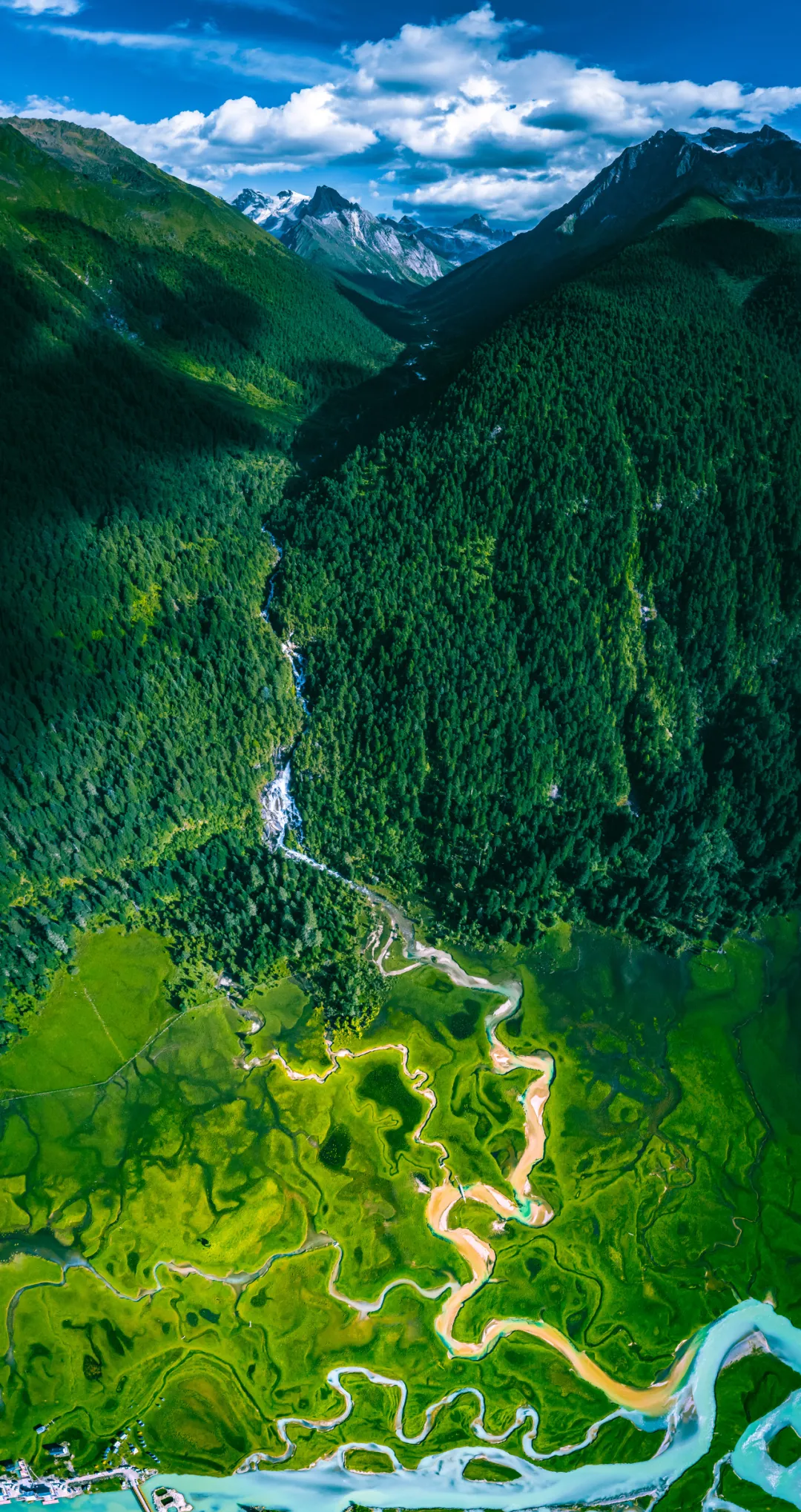
Photo: Nyingchi Bureau of Culture and Tourism
Route:
①Self-drive starting point: Approximately 340 kilometers from Lhasa and 120 kilometers from downtown Nyingchi.
②After entering the Basum Tso scenic area, drive from the Basum Tso Visitor Center to Jieba Village, then continue about 28 kilometers to Xincuo.
③Hiking: Approximately 6 kilometers round trip from the Xincuo Parking Lot. The trail passes through Sangtong Pasture, where yaks graze, crosses a moss-covered wooden footbridge, and ends at an emerald-green glacial lake.
④Transport alternatives: Local herders at the trailhead offer horses and motorcycles for rent.
⑤Tips: The trail can be slippery after rain, and UV radiation at high altitude is strong, so wear sun protection and shoes with good traction. Hike at a steady pace, avoid strenuous exertion, and give your body time to acclimatize to the altitude.