
 English



 Published: November 3, 2026

 Editor: Qianchen
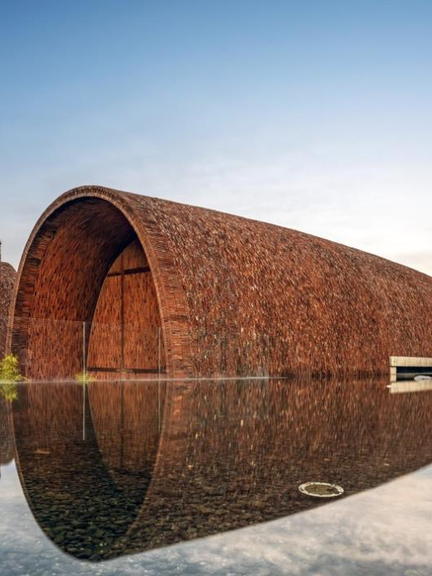
In the heart of Jingdezhen's old town stands a building made from 900,000 old kiln bricks, now a cultural landmark that attracts visitors from around the world. This is the Jingdezhen Imperial Kiln Museum—a museum that tells the story of Chinese ceramic civilization through its "fragments."
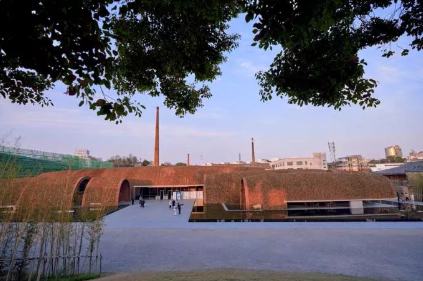
Jingdezhen Imperial Kiln Museum (Image: the museum's official website)
The museum's main building comprises eight multi-curved vaulted structures of varying lengths and sizes. Their interior and exterior surfaces are clad in a combination of newly fired and reclaimed old kiln bricks, bringing the architecture, landscape and archaeological ruins together. These bricks are not merely decorative replicas: most were salvaged from kilns dismantled and reclaimed over the centuries. Their surfaces bear fire marks and kiln deposits, and each brick carries traces of the history of ceramic firing.
As night falls, lights come on and their reflections shimmer in the pool, creating an interplay of light and shadow. This is also the museum's most popular time for photos. By day, sunlight brings out the arches' brick-red and warm-brown hues; at night, the lighting traces the building's contours in graceful curves. Both views are worth admiring.
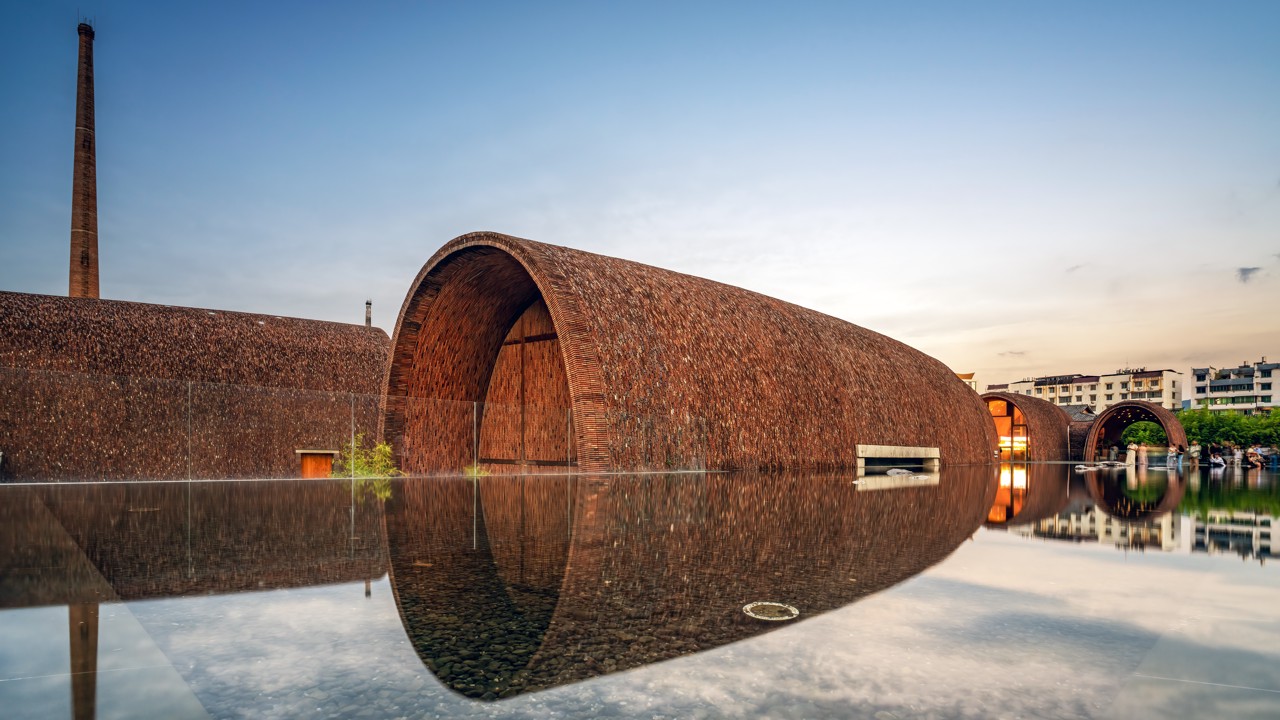
Jingdezhen Imperial Kiln Museum
The museum's collection includes more than 50,000 artifacts suitable for exhibition, primarily restored pieces and Ming dynasty imperial kiln porcelain excavated from the site. Thanks to the painstaking work of porcelain-restoration specialists, large numbers of broken porcelain pieces have been reassembled, allowing the artifacts to regain their original forms.
The museum's signature treasure is the Chenghua-period plain tricolor duck-shaped incense burner, assembled from dozens of porcelain fragments. Younger visitors affectionately call it "Sui Sui Duck," and its endearing appearance has made it an online sensation. "Plain tricolor" refers to a technique in which low-temperature yellow, green and purple glazes are applied to an unglazed ceramic body, without red glaze. The resulting colors have a subdued appearance, complementing the duck's rounded shape. When viewing the piece, look closely at the seams across its body: these fine joins are evidence of how the artifact was restored from fragments to its complete form.
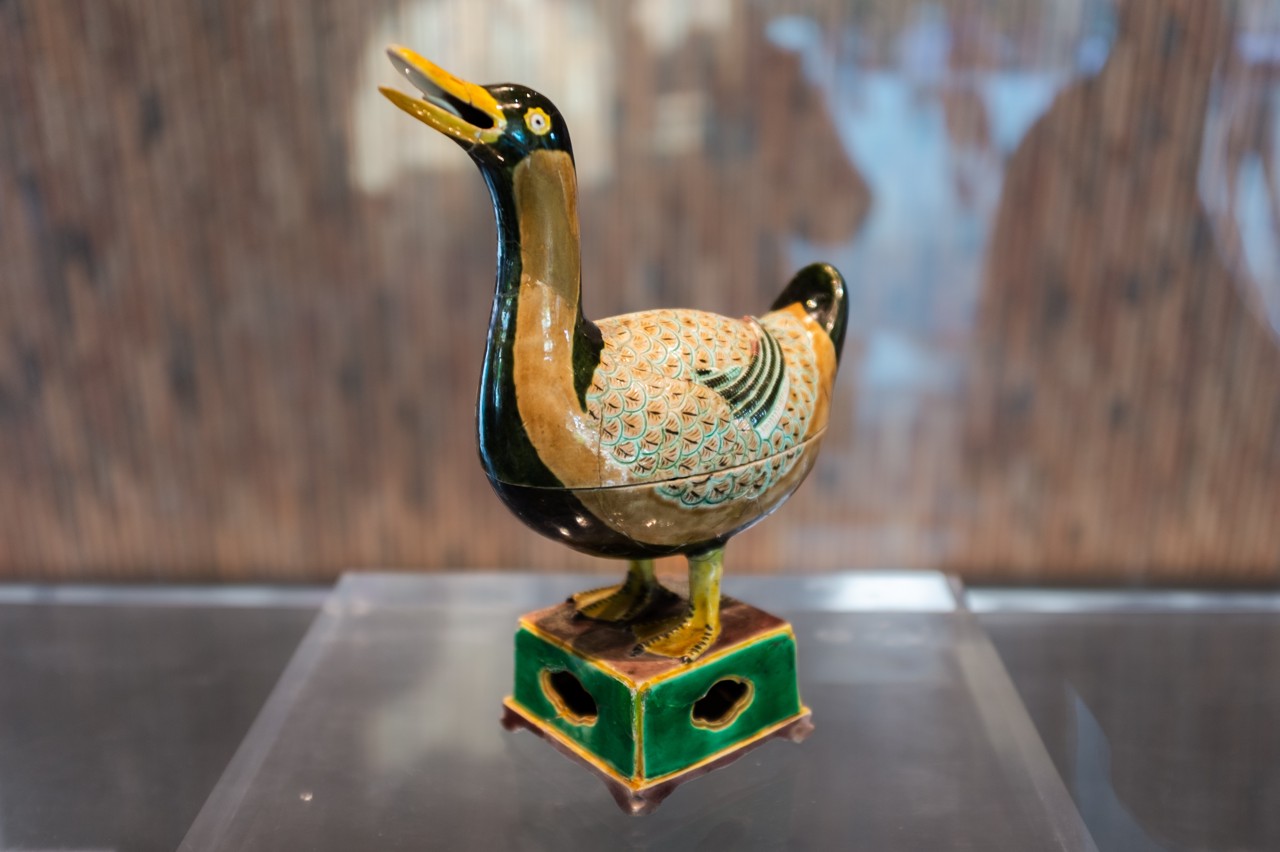
Chenghua-period Plain Tricolor Duck-shaped Incense Burner
The museum also sells a range of attractive cultural and creative products, including elegant blue-and-white porcelain fridge magnets, cute "Sui Sui Duck" plush toys, and silk scarves featuring refined blue-and-white porcelain patterns. Both practical and distinctive, they make easy-to-pack souvenirs. The patterns on the magnets and scarves are mostly drawn from objects in the collection, making them lightweight and portable mementos.
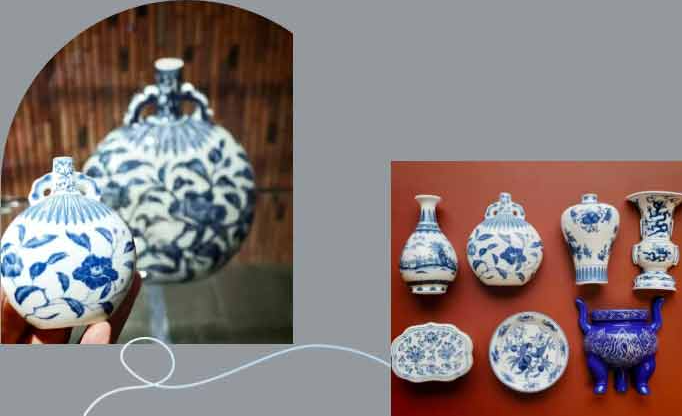
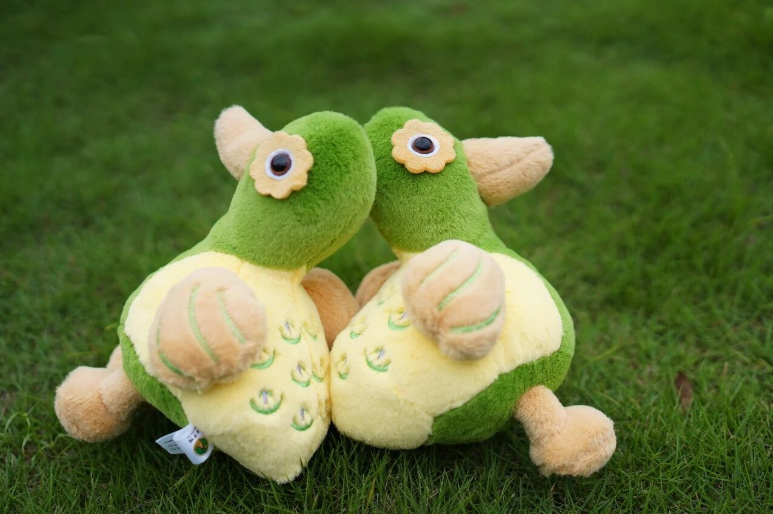
Cultural products of the Jingdezhen Imperial Kiln Museum (Image: the museum's official website)
Visitor Information
Address: 169 Lianshe North Road, Jingdezhen, Jiangxi Province
Opening hours: 9 a.m. to 10 p.m. (last entry at 9:30 p.m.); closed Mondays except public holidays
Admission: Free with valid ID (passport for foreign visitors). A ticket for the Taoyangli Historical and Cultural District is required.
Booking: Make a reservation under your real name through the "Travel Jingdezhen" WeChat mini program or by following the Jingdezhen Imperial Kiln Museum's official WeChat account.