
 English


 Published: April 27, 2026
 Editor: Qingyu
Beijing has launched its first boutique "Color Walk" urban micro-tourism route. It centers on a slow-living theme built around the "Four Fragrances" -- floral scents, scholarly charm, coffee aroma and gourmet flavors. The route is 1.7 kilometers long. Starting from the eastern end of the historic Jingxi Ancient Road and extending eastward from Fuchengmen Bridge, it carries the legacy of Fuchengmen as the "Coal Gate" and the old-city memories of coal-carrying horse carts. Along the way, it connects ancient literary sites, royal ceremonial culture, popular science and reading spaces, intangible cultural heritage delicacies and trendy commercial venues.
Located in Xicheng District, Fuchengmen is the western gate of Beijing's inner city. In the past, it was commonly called the "Coal Gate" because horse-drawn carts carrying coal entered the city through it. Set into the gate tunnel is a white marble stone carved with plum blossoms, a symbolic marker using the Chinese homophone of "plum" and "coal." In bygone days, the Jingxi Ancient Road echoed with the bells of merchant caravans. Today, this historic passage has become a key corridor for coordinated regional development.
Highlights Along the Way
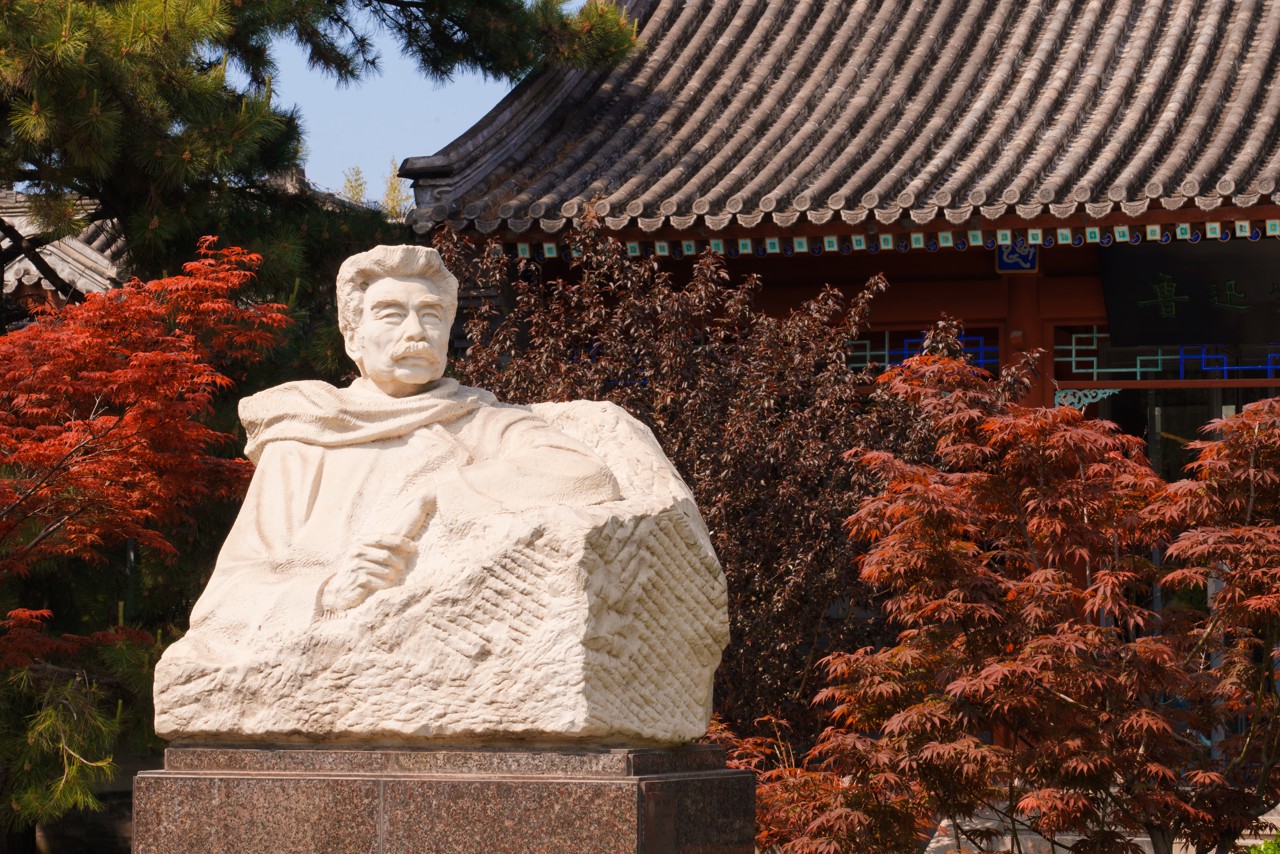
Beijing Lu Xun Museum
The museum preserves the original layout of Lu Xun's former residence in Beijing and recreates his real daily life scenes. With a large collection of manuscripts and cultural relics, it is a landmark for learning about Lu Xun and exploring modern Chinese literature.
Baitasi East & West Branch Hutongs
This artistic neighborhood was revamped from old hutongs, blending everyday street life with poetic charm. Set against the backdrop of the White Pagoda Temple, the quiet lanes are lined with unique shops, making it one of Beijing's most atmospheric places for a hutong walk.
Yao Cafe (Baita Temple Pharmacy)
Housed in acentury-old pharmacy, this venue blends traditional charm with modern trends. It serves as a window into traditional Chinese medicine culture and a popular social media check-in spot. The mix of coffee, creative cultural products, and medicinal herbs offers a unique experience.
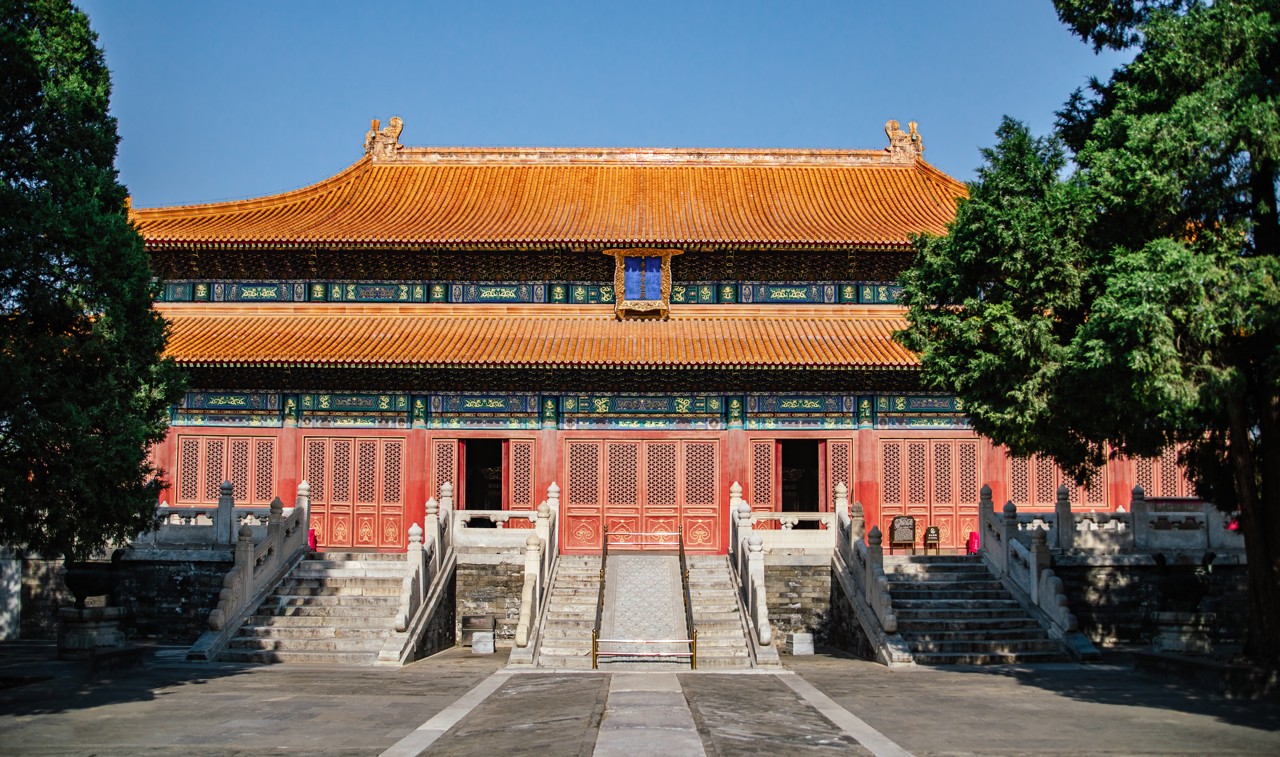
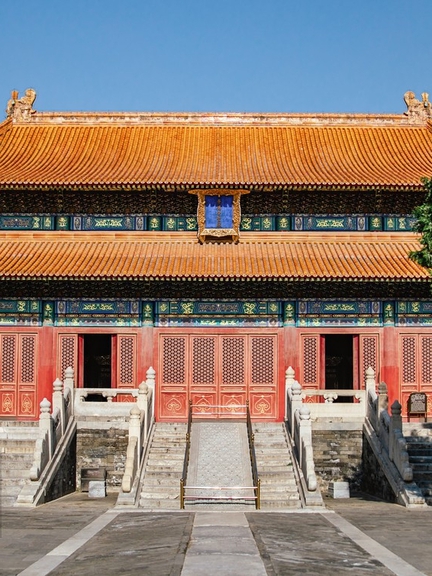
Temple of Ancient Monarchs
A key imperial ceremonial site of the Ming and Qing dynasties, this temple features magnificent main halls that enshrine emperors and virtuous ancestors from across the ages. Visitors can grasp the thread of Chinese history in a single visit.
The Geological Museum of China
A century-old popular science institution, the museum houses rare ore and fossil exhibits that clearly show the Earth's evolution and stunning geological wonders.
Honglou Public Library
A quiet, elegant scholarly retreat with a dignified old-style atmosphere. Its graceful wooden structures and collection of rare ancient books create a serene, profound space -- a soothing reading oasis away from the downtown hustle and bustle.
Zhengyang Bookstore
Nestled beside an ancient pagoda, this Beijing-focused cultural book store specializes in historical documents about the city. Tucked away in quiet lanes, it is filled with the human warmth of old Beijing.
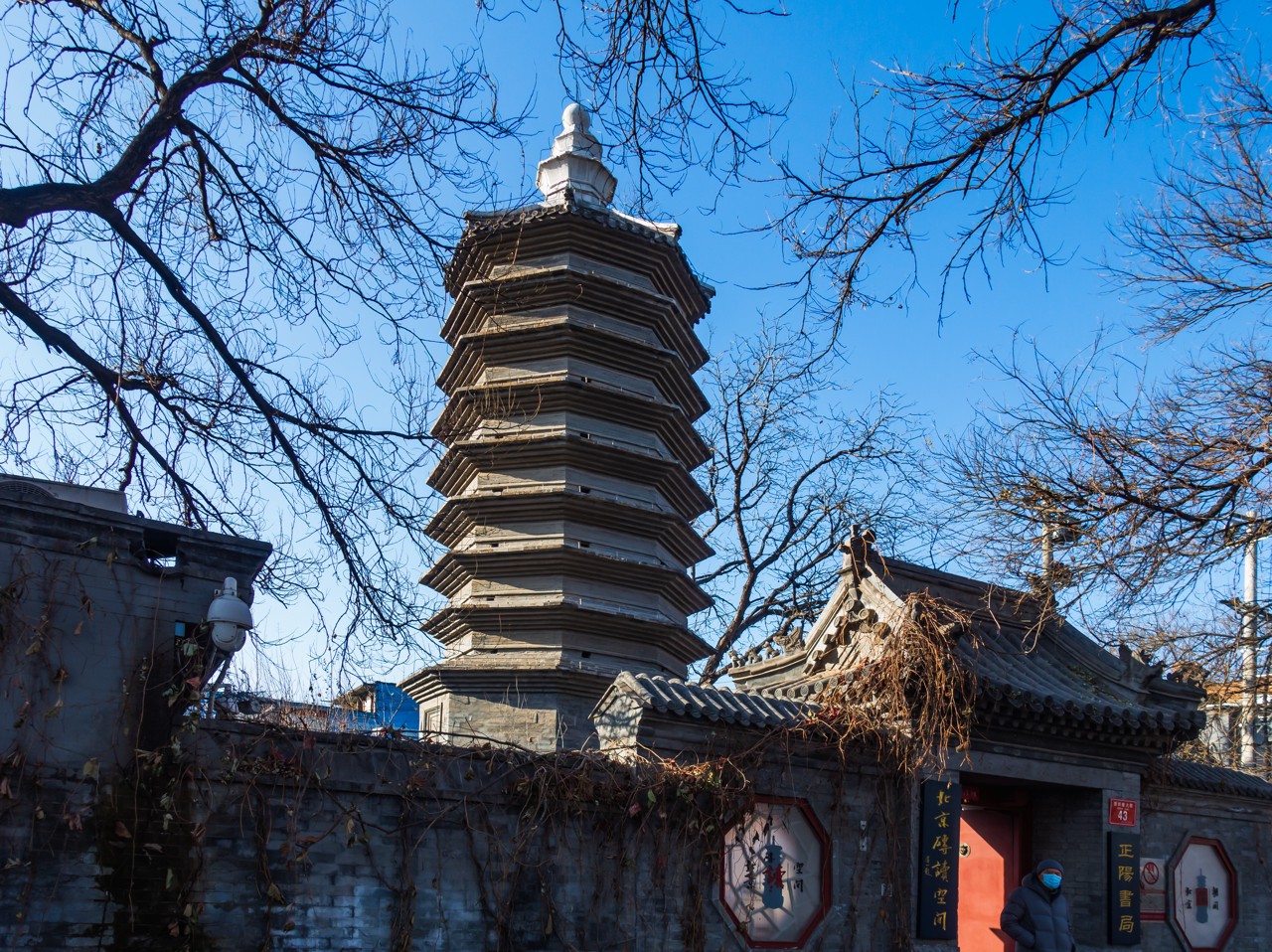
Zhuanta Hutong
Known as the "root of Beijing's hutongs," this lane has a history of more than 800 years. The Wansong Laoren Tower stands within it. As one of Beijing's earliest hutongs, it records the origin and vicissitudes of the capital's hutong culture.
PIZZERIA
It specializes in authentic Neapolitan pizza.