
 English



 Published: October 30, 2026

 Editor: Ruoxi
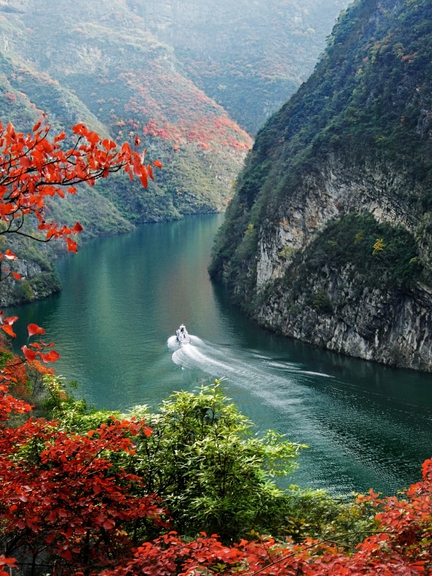
Wuxia Gorge is the second of the Yangtze River's Three Gorges. An ancient verse calls it the longest of the Three Gorges of Badong. Renowned for its deep, beautiful scenery, it is also the most complete and continuous stretch of canyon among the Three Gorges.
Wuxia Gorge scenery
A Symphony of Mountains, Rivers and Red Leaves
Here, the mighty Yangtze River meets the boundary between China's second and third topographic steps, marked by the Greater Khingan, Taihang, Wushan and Xuefeng mountain ranges. With the Sichuan Basin to the west and the Middle and Lower Yangtze Plain to the east, this distinctive setting creates a breathtaking tableau of "towering peaks and deep ravines adorned with red leaves."
The Wushan range runs from northeast to southwest for 300-400 kilometers and averages 1,000-1,500 meters in elevation. Its highest peak, Wuyunding, stands at 2,441 meters. The anticline structure formed during the Yanshan Movement gave rise to the Twelve Peaks of Wushan; between them lies the 46-kilometer-long Wuxia Gorge.
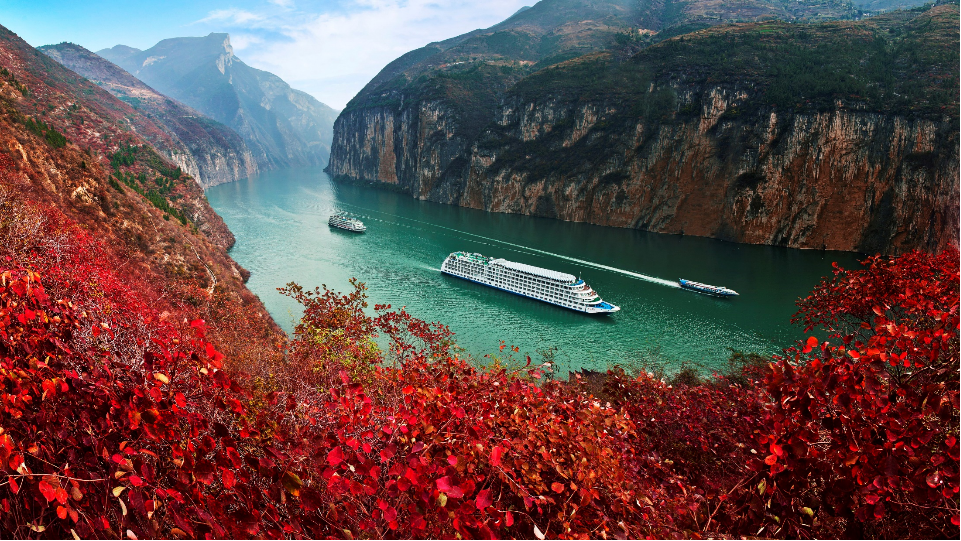
The mountains and water complement each other, creating a layered landscape: karst peaks covered in red leaves above, evergreen conifers below, and cliffs reflected in the river.
Wuxia Gorge scenery
Wushan's Red Leaves in Their Own Colors
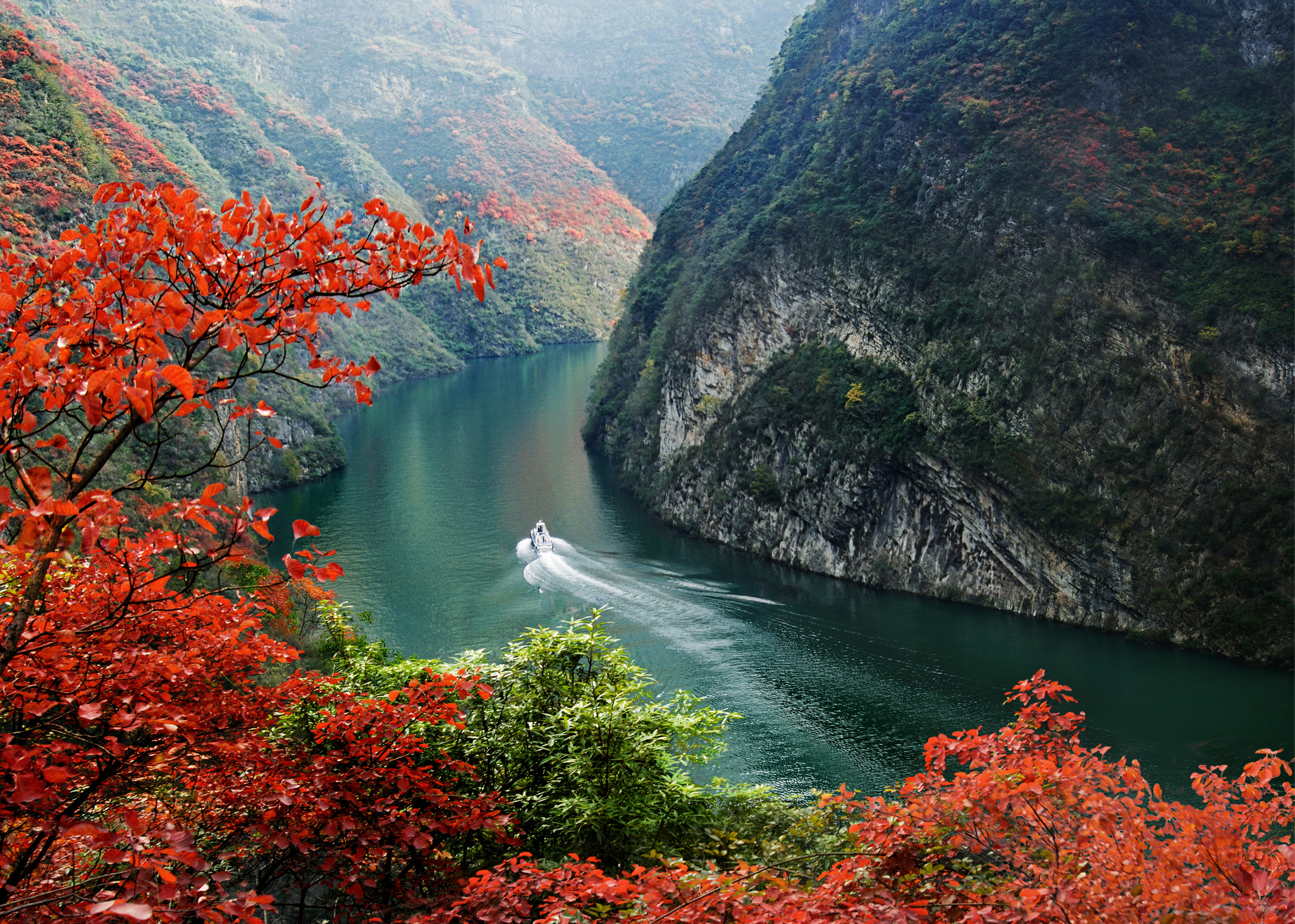
As the Yangtze River basin's most iconic destination for viewing red leaves, the Wushan area is covered predominantly by smoketrees, which account for more than 80% of its red-leaf foliage, alongside maples and Chinese pistaches. Together, these trees weave a richly layered tapestry of autumn colors.
Red leaves first appear near the mountain peaks, at elevations of 1,800 meters, then gradually spread downhill, creating a striking gradient: "fiery reds at the summit, crimson hues across the mountainsides, and verdant greens at the base." Splashes of orange and yellow, along with Wushan's drifting clouds and drizzle form a magnificent, vivid autumn scene of mountains and water.
Wushan's red leaves remain at their most spectacular for nearly two months. As the red hue slowly creeps down the mountainside, each visit offers a subtly different view of this ever-changing sea of color.
Wuxia Gorge scenery
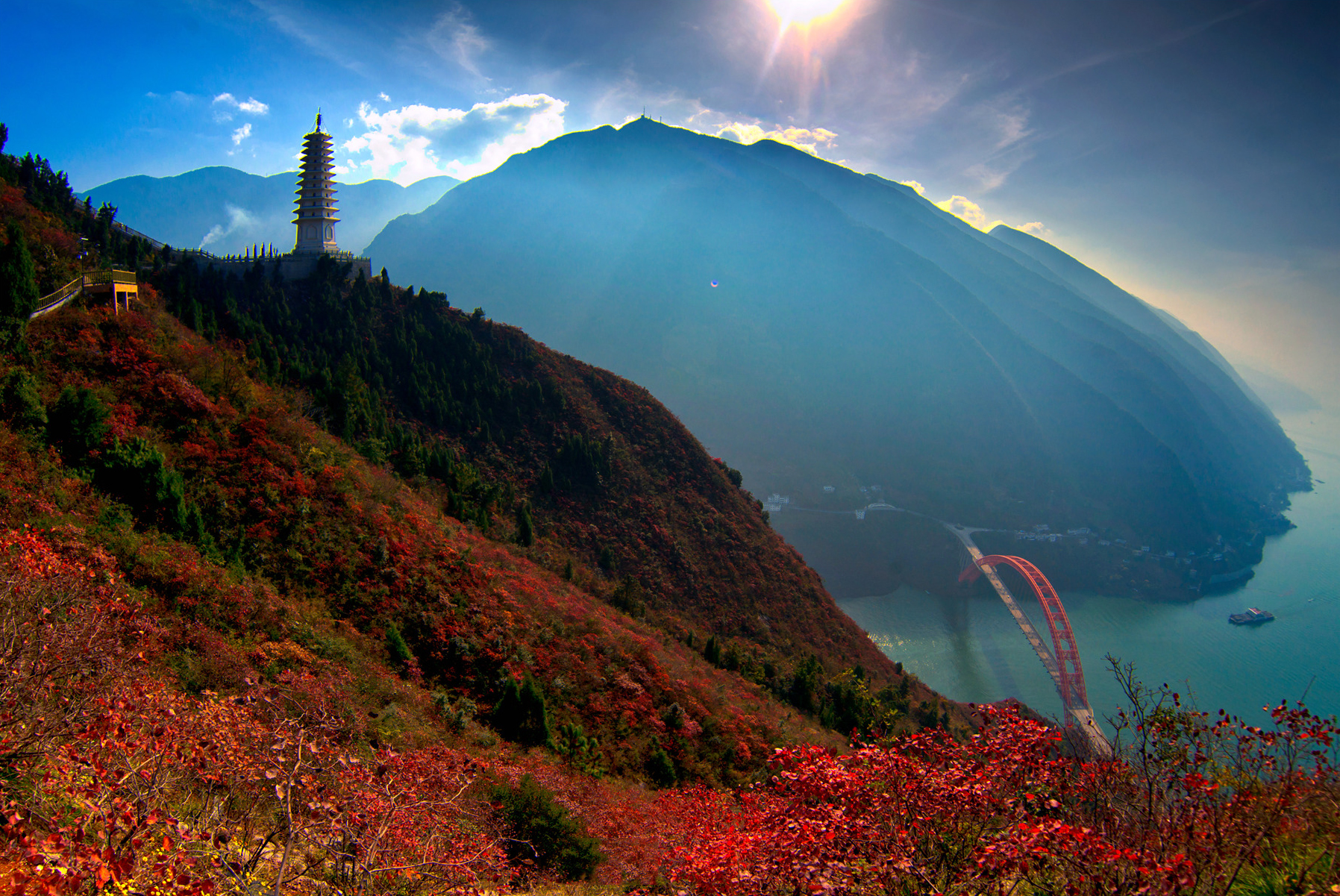
In Wushan, mist and rain cloak the mountains, while vast seas of clouds drift through them, lending Wuxia Gorge an ethereal beauty and a sense of movement.
Deep, narrow and long, Wuxia Gorge receives little sunlight. Moisture lingers in the gorge and often gathers into spectacular clouds and fog: some cascade down sheer cliffs like waterfalls, while others form rolling veils of mist, resembling a traditional Chinese landscape painting. Clouds and mist are especially abundant at dawn and dusk in autumn and winter.
The mist drifts like a gauze curtain over the red-leaf forests, with crimson leaves appearing and disappearing amid the drizzle—sometimes vivid, sometimes hazy. The emerald Yangtze River cuts through the gorge, its waters reflecting the clouds. Here, red leaves punctuate the river and sky, blending with the peaks, gorges and water to create a serene, dreamlike wonderland where reality and illusion intertwine.
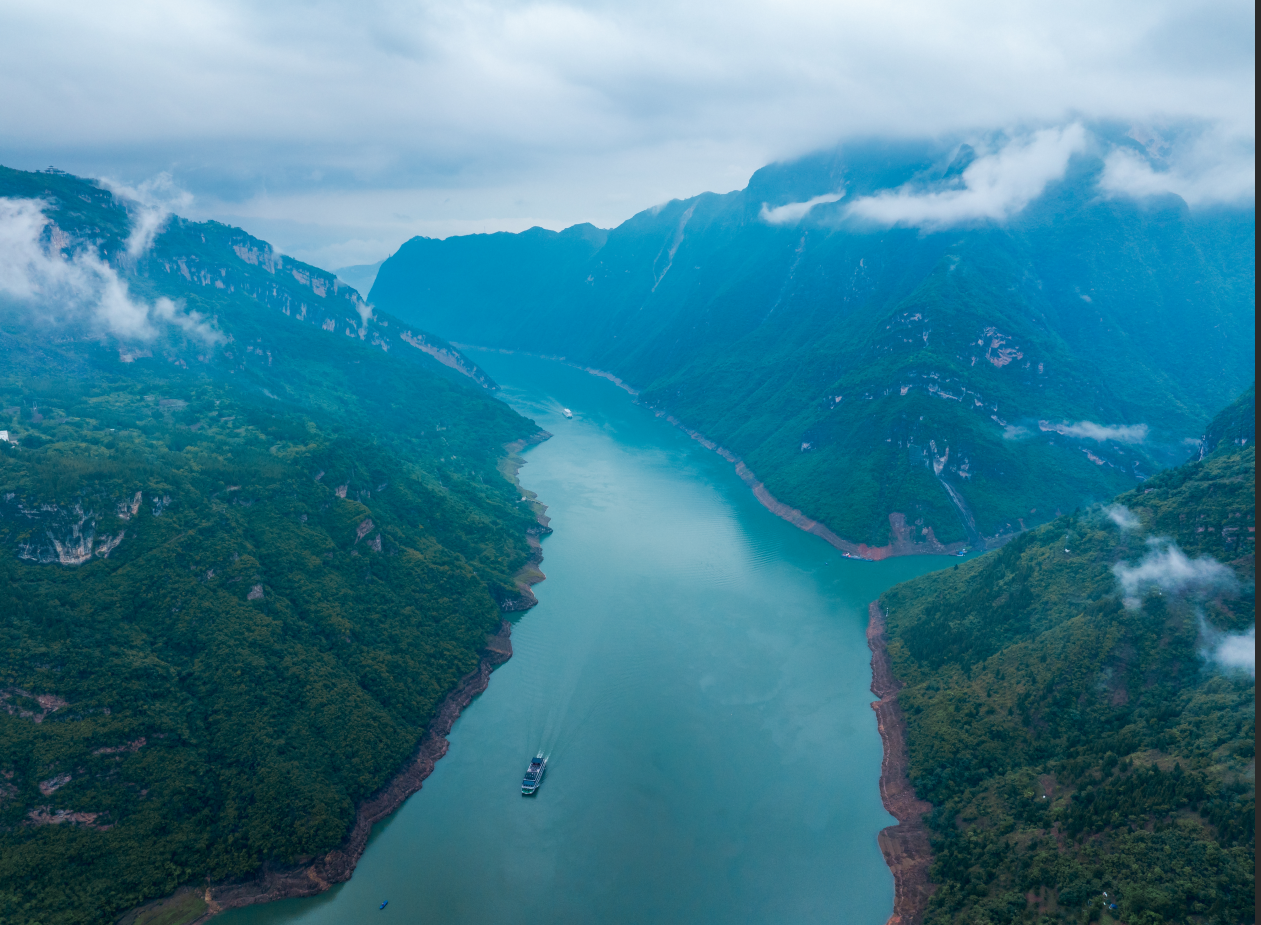
Wuxia Gorge scenery
Travel Guide
Wuxia · Shennv (Goddess) Scenic Area: Featuring Shennv Peak, Shennv Stream and Shennv Sky Road, this area is the best place to take in panoramic views of Wuxia Gorge, admire the red leaves and get closer to the legendary Goddess.
Wuxiakou Scenic Area (Badong): Located at the eastern exit of Wuxia Gorge, it is where the Yangtze's "First Great Bend" makes a dramatic 90-degree turn. The bend's scenery has appeared on a Chinese banknote.
Daning River Small Three Gorges: Located at the western entrance to Wuxia Gorge, this area comprises Longmen Gorge, Bawu Gorge and Dicui Gorge in the lower reaches of the Daning River. It is renowned for its secluded, pristine canyon scenery and the remains of ancient plank roads.
Historical Sites: Along the river, visitors can explore historic sites and relics such as Lu You Cave, the Dayu Book-Receiving Platform, the ruins of Shennv Temple and the Kongming Stone Tablet.
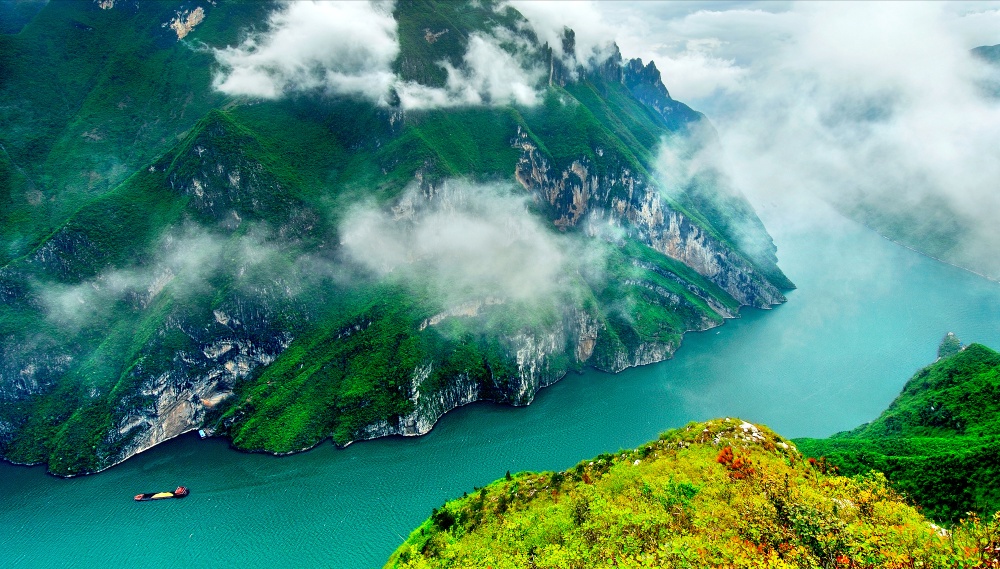
Wuxia Gorge landscape (Image provided by the Publicity Department of the CPC Wushan County Committee)
Tips
Opening Hours: Wuxia Gorge is open 24 hours a day, though individual scenic areas, such as the Shennv Scenic Area, have specific operating hours.
Admission: Sightseeing in the main Wuxia Gorge area is free, but admission to the Wuxia · Shennv Scenic Area requires a ticket.
Best Time to Visit: The weather is most pleasant from March to May and September to November. In late autumn, usually November to December, the red leaves along both banks are especially spectacular.
Transportation: Boat tours typically depart from Changdu Wharf in Wushan County or from Badong.