
 English

Cultural Immersion
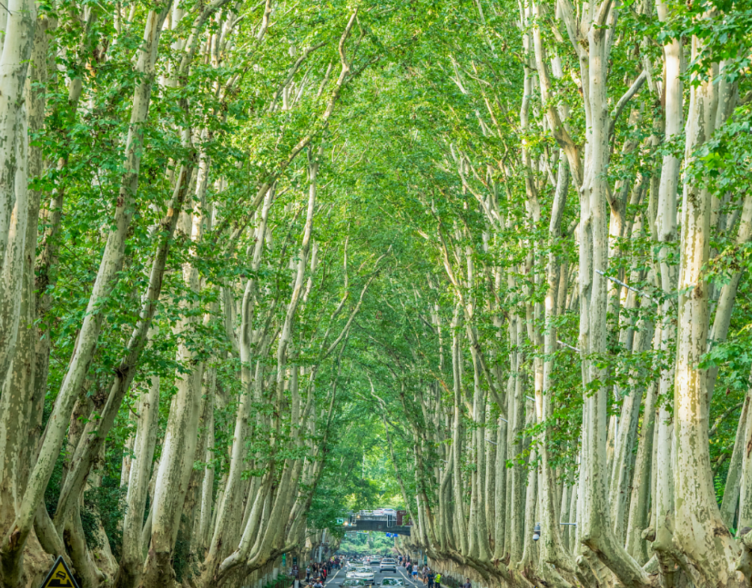
Strolling Through Jinling: Unlock a Slow Summer Day
Nanjing is surrounded by mountains and water, with lush greenery throughout the city. Stroll through Jinling in the early morning along plane tree-lined avenues and trace the lingering charm of Republican-era architecture. In the afternoon, head into the hidden beauty of Zhongshan Mountain and climb to the high terraces of the Sun Yat-sen Mausoleum. At night, cruise along the Qinhuai River, wander through Confucius Temple, and experience the river scenes once captured in Du Mu's poetry... A Walk Beneath t

A Summer Day in Hangzhou: Enjoy Lakes, Mountains, and Song Dynasty Charm
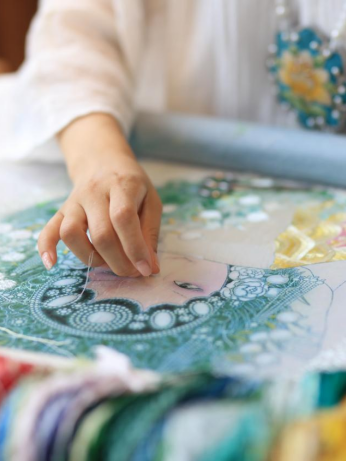
Hangzhou, where lakes and mountains embrace, and the charm of the Song dynasty runs deep, can be hot and humid in midsummer. Yet the locals of Lin'an have their own refined way to keep cool. Visit Qiantang to try your hand at silk crafts of intangible cultural heritage in the morning, listen to a graceful Yue opera performance, study Song-style tea whisking in the afternoon, and stroll by the lotus ponds at dusk to enjoy the summer scenery... Silk Handcrafting The China National Silk Museum preserves a te
Suzhou in Summer: Spend a Day Living "Suzhou-Style"
Suzhou, crisscrossed by rivers and canals and filled with gardens and alleyways, has long been known as "paradise on earth." Summers here are not exactly cool, but Suzhou locals have their own way of passing the season: slowing down, quieting the mind, and savoring each day. If you are traveling in China, why not spend a day in Suzhou like a local and experience "Suzhou-style living"? Suzhou's mornings and evenings are made gentle by its ancient lanes and softened by the tender glow of
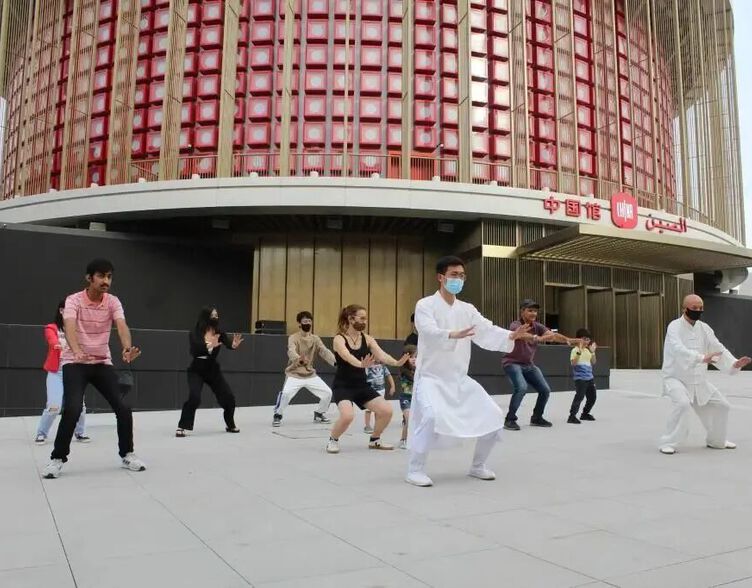
China's Ancient Fitness Technique — Baduanjin
Baduanjin (literally "Eight Pieces of Brocade") originated in the Song Dynasty (960–1279) and has a history of more than 800 years. It is a traditional Chinese exercise. The "eight pieces" refer to the routine's eight movements, while "jin" (brocade) evokes fine silk and symbolizes the movements' smooth grace and flowing elegance. Baduanjin took shape in the 12th century and has since branched into numerous schools. Unlike high-intensity activities such as ball games or
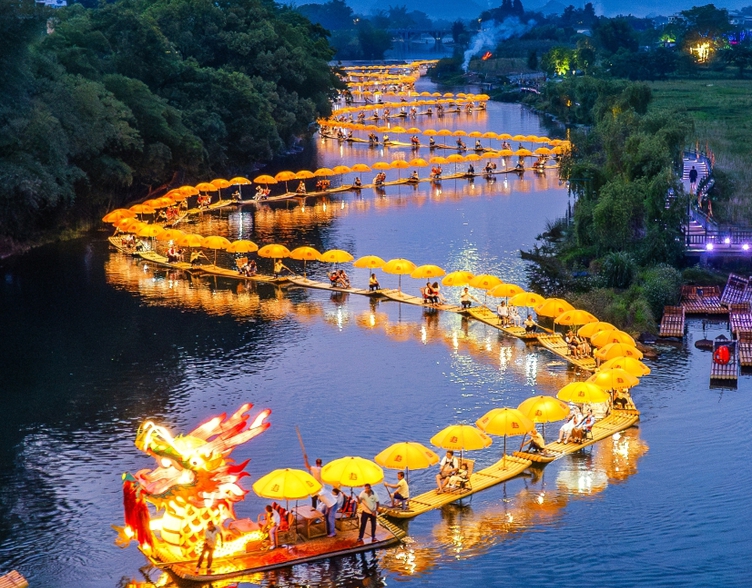
"Golden Dragon Parade" Welcomes the Spring Festival
On the evening when people bid farewell to the old year and welcome the new, a"golden dragon" rises on the water. At festive times, Yulong Village in Baisha town, Yangshuo county, Guilin, stages a grand Golden Dragon Parade. A signature folk event of Yangshuo, the Golden Dragon Parade embodies the characteristic nightscape of fishing boats aglow on the Lijiang River. As night falls, nearly a hundred bamboo rafts are linked end to end, their lights igniting in sequence to form a sinuous "gol
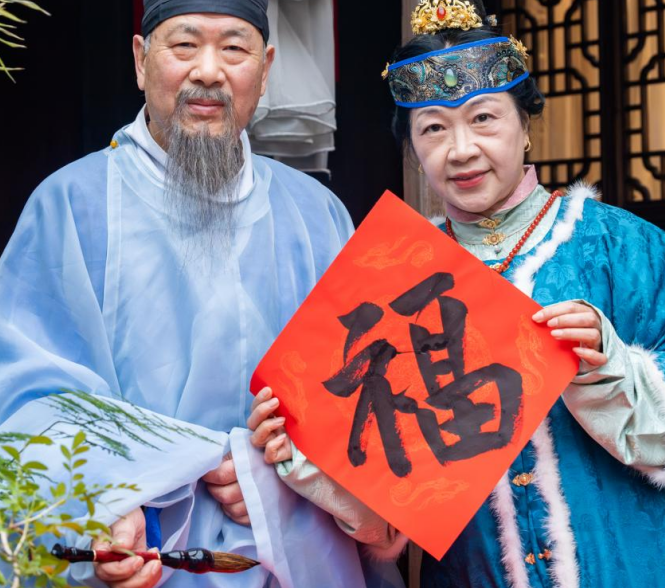
Wearing Hanfu to Celebrate the "Most Quintessentially" Spring Festival
What is it like to welcome the Spring Festival in Hanfu in ancient villages and towns? The traditional architecture, with its dark tiles and gray bricks, provides an ideal backdrop for the refined elegance of Hanfu; red lanterns and centuries-old streets frame scenes of timeless charm, turning each snapshot into a poetic image. Even more, the rich folk customs of these towns gain deeper ceremonial weight and narrative resonance when experienced in Hanfu. Visitors can pick up a brush to write the character
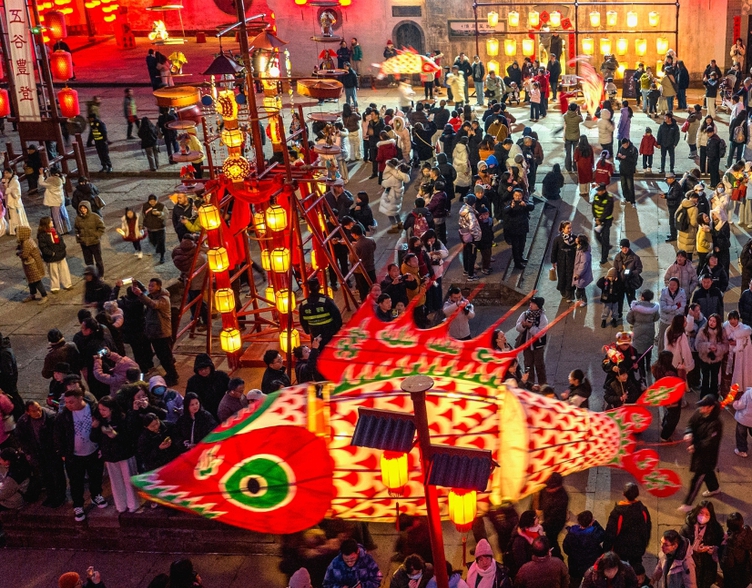
Fish Lantern Parade fills Chengkan village with holiday joy
As the Spring Festival approaches, Chengkan ancient village in Huizhou district is set to host its lively Fish Lantern Parade once again. This long-standing folk tradition draws visitors from near and far eager to experience it firsthand. Chengkan's Fish Lantern Parade dates back to the Ming Dynasty (1368–1644). In earlier times, villagers crafted lifelike, fish-shaped lanterns from bamboo frames and paper, parading them through the streets at night to pray for safety and peace. Because the Chinese
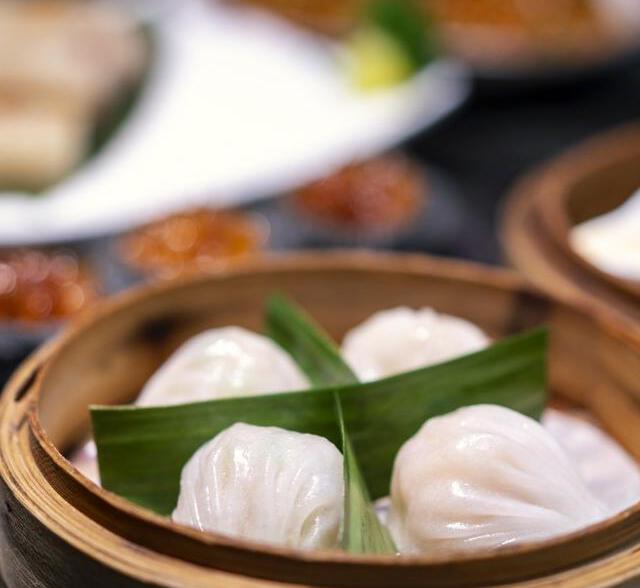
Yum Cha—"One Bowl with Two Pieces" and the Art of Lingnan Slow Living
In the Guangdong region, there is a unique culinary custom known as having morning tea. Far more than just a gastronomic event, it is a deeply embedded in the daily social ritual of local people, symbolizing the Cantonese people's characteristic philosophy of buoyant optimism and broad tolerance. What began as the minimalist standard of "one bowl with two pieces"—meaning a bowl of tea with two servings of dim sum to complement the tea—has undergone a dramatic transformation. The tea
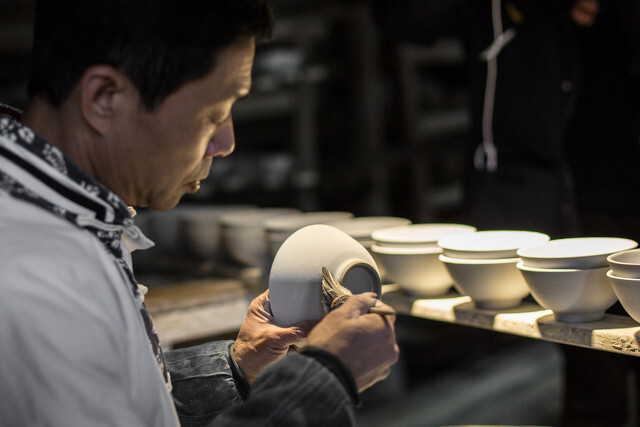
The Art of Porcelain-Making in Jingdezhen, Where a Millennium-Old Kiln Meets Global Creativity
Dubbed the "Porcelain Capital of China," Jingdezhen is globally celebrated for its unique porcelain, known for their distinct qualities: "as white as jade, as bright as a mirror, as thin as paper, and as resonant as a chime stone." Remarkably, the city preserves the complete 72-step traditional process of porcelain making, from raw material preparation to the final firing. In 2006, Jingdezhen's handcrafted porcelain techniques were inscribed on China's list of the first batch of Nation

Chagan Lake Winter Fishing—A Legendary Ice Hunt
Flourishing in Qian Gorlos Mongol Autonomous County, Songyuan City, Jilin Province, the Chagan Lake Winter Fishing is a time-honored tradition of fisheries production that faithfully retains original techniques like drilling holes in the ice for net placement and employing horse-drawn winches. This ancient custom not only exemplifies the aquatic hunting culture of the Mongols, who historically settled by water, but also highlights an enduring ecological intelligence—the art of living in harmony with