
 English

Millennial Civilization
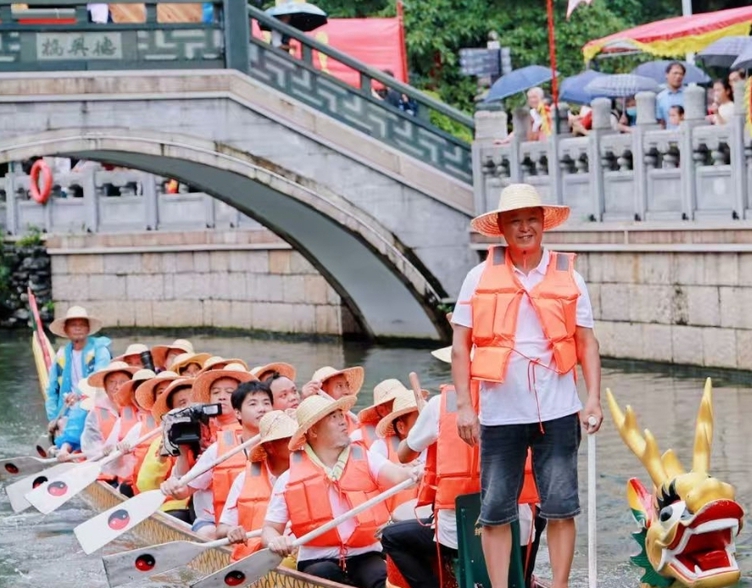
Dragon Boat Festival in Canton: A Floating Celebration of Community and Tradition
In China, dragon boat racing is one of the best-known customs of the Dragon Boat Festival, carrying a thousand-year tradition of honoring sages and praying for health and peace. In most regions, dragon boat races focus on short, high-intensity competitions, creating a lively and exhilarating atmosphere. But in the Canton region of the Pearl River Delta, dragon boating during the Dragon Boat Festival is more like visiting relatives and friends on the water. This is known as "Dragon Boat Gathering,&quo
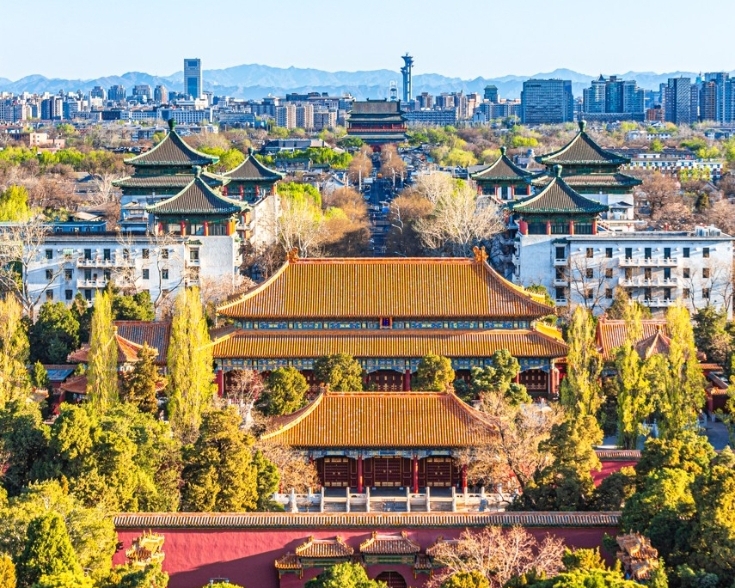
Strolling along the Beijing Central Axis to Savor the Charm of the Historic City
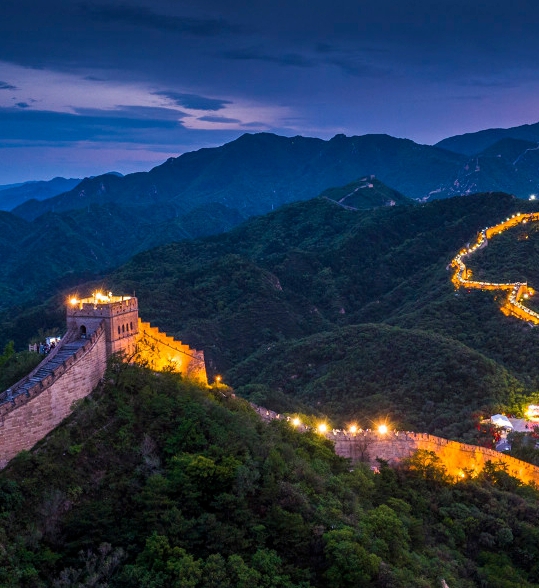
The Great Wall Is More Than Breathtaking. Here Are More Ways to Experience It!
The Great Wall was a military defense project continuously built in northern China from the 3rd century BCE to the 17th century CE. It stretches across 15 provinces, autonomous regions and municipalities, including Beijing, Tianjin, Hebei, Shanxi, Inner Mongolia, Liaoning, Jilin, Heilongjiang, Shandong, Henan, Shaanxi, Gansu, Qinghai, Ningxia and Xinjiang. The Beijing section of the Great Wall is an outstanding representative of the Great Wall. It is home not only to the Mutianyu Great Wall, known as the
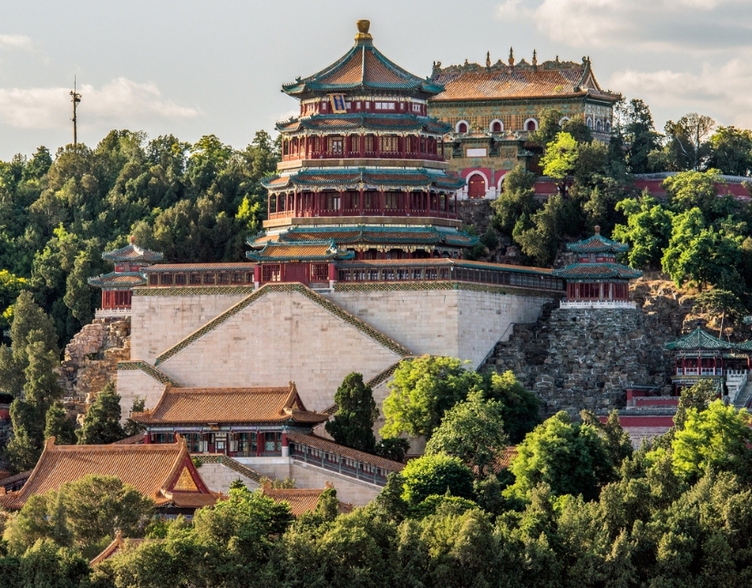
Beijing's Imperial Garden — The Summer Palace
The Summer Palace is located in the northwest of Beijing. First built in 1750, it is a large imperial garden centered on Longevity Hill, Kunming Lake, and numerous palace structures, and is one of the "Three Hills and Five Gardens" of the Qing Dynasty. The complex covers a total area of approximately 300.8 hectares. It preserves about 7 hectares of various palaces and ancient garden architecture, houses more than 40,000 cultural relics, and is home to over 2,000 ancient and notable trees. The Su
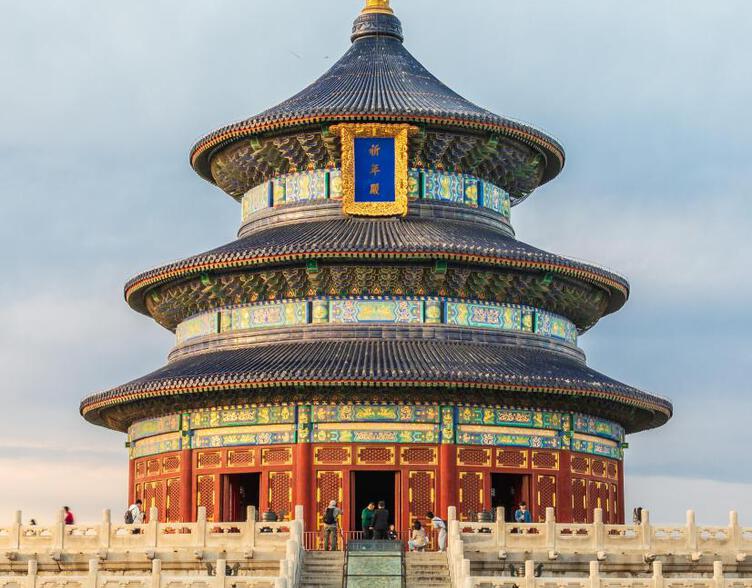
Temple of Heaven - Beijing’s Imperial Altar Complex
The Temple of Heaven (Tiantan)served as the sacred site where the emperors of the Ming and Qing dynasties offered sacrifices to Heaven and prayed for abundant harvests. Its layout and construction embody the pinnacle of architectural skill and artistic achievement in imperial China. Today, Tiantan Park spans 201 hectares, encompassing not only its iconic historic structures, such as the Hall of Prayer for Good Harvests and the Circular Mound Altar, but also a variety of scenic features, including long cor
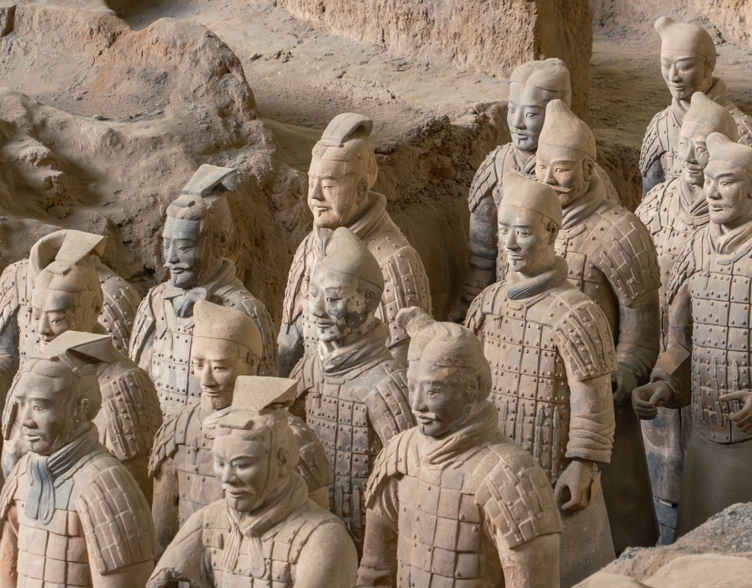
Mausoleum of the First Qin Emperor and the Terracotta Warriors—Qin Shi Huang's Subterranean Empire
Located at the northern foot of Mount Li, about 3.5 kilometers east of Lintong District in Xi'an, Shaanxi Province, the Mausoleum of the First Qin Emperor is the burial site of Ying Zheng, the first emperor to unite China under a centralized feudal system. Extensive archaeological work has uncovered a wealth of valuable artifacts, notably the Terracotta Army. The Terracotta Army Pits, discovered in 1974 and located to the east of the main mausoleum, are massive burial pits containing "mingqi" (f
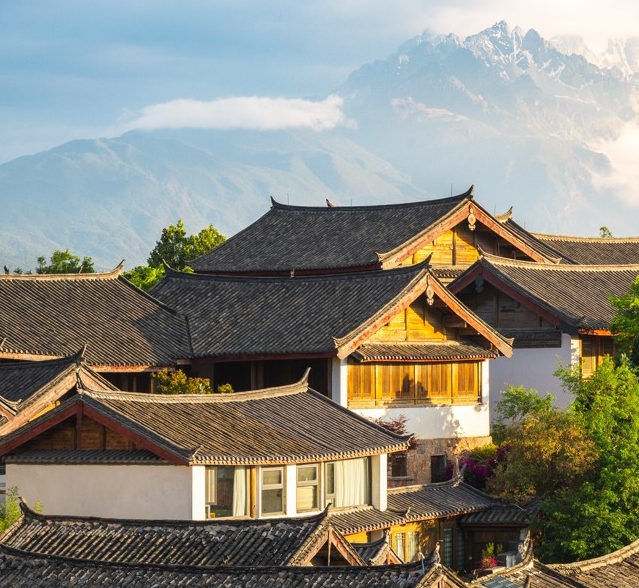
The Old Town Below the Snow Mountain — The Old Town of Lijiang
The Old Town of Lijiang is located in Lijiang City in the northwest of Yunnan Province. Built in the late Song and early Yuan dynasties and flourished during the Ming and Qing dynasties, it boasts a long history. Situated at the foot of Yulong Snow Mountain, the old town consists of three areas: Dayan Old Town (including the Black Dragon Pool Scenic Area), the Baisha Residential Complex, and the Shuhe Residential Complex. Covering a total area of 7.28 square kilometers at an elevation of 2,416 meters, the

Qiao's Grand Courtyard
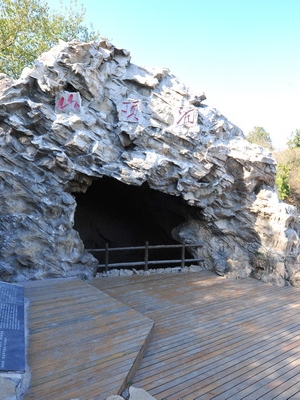
Tracing the Footprints of Ancient Humans at the Peking Man Site at Zhoukoudian
The Peking Man Site at Zhoukoudian is located on Dragon Bone Hill in Fangshan District, southwest Beijing. With its abundant water sources and natural caves, the area provided an ideal environment for ancient humans to survive and thrive. The Zhoukoudian Site is one of the Pleistocene paleoanthropological sites with the richest finds, most complete materials, and greatest scientific significance in the world, and archaeological research at the site continues to this day. The Peking Man Site at Zhoukoudian
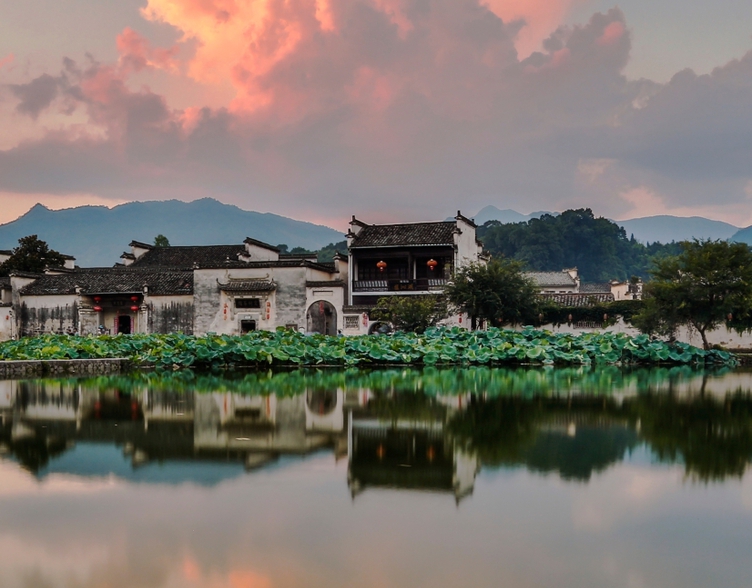
Anhui's Hongcun: A Village Seemingly Lifted from a Traditional Chinese Painting
Hongcun village sits in Yixian county, Huangshan city, Anhui province. Founded during the Shaoxing Period of the Southern Song Dynasty, it is celebrated as "a village seemingly lifted from a traditional Chinese painting." In 2000, Hongcun was inscribed on the UNESCO World Cultural Heritage list. Autumn scenery of Hongcun The village's overall layout resembles an ox: Leigang Hill forms the head; two ancient trees at the entrance serve as the horns; Moon Pond is the ox's stomach; South Lake is the