
 English

Tastes of China
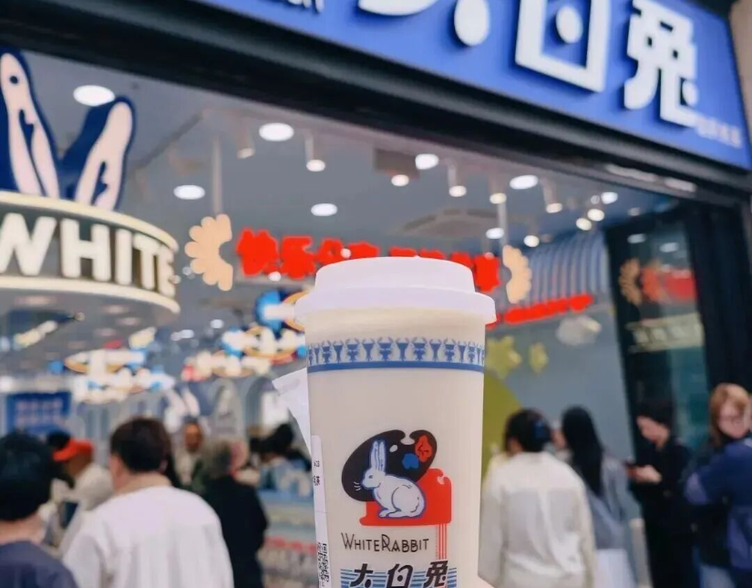
White Rabbit Milk Tea: When a Milk Candy Becomes a Cup of Milk Tea
White Rabbit Creamy Candy was developed by Shanghai Guanshengyuan Food Co., Ltd. in 1959 and is one of China's most widely recognized milk candy brands. The first‑ever White Rabbit Milk Tea store is located at No. 371 East Nanjing Road, Huangpu District, Shanghai, offering a tea‑based beverage line from the classic White Rabbit candy brand. White Rabbit Milk Tea takes the distinctive flavor of the candy as its base. By combining it with tea, cheese foam, nuts, and other ingredients, it creates a richly
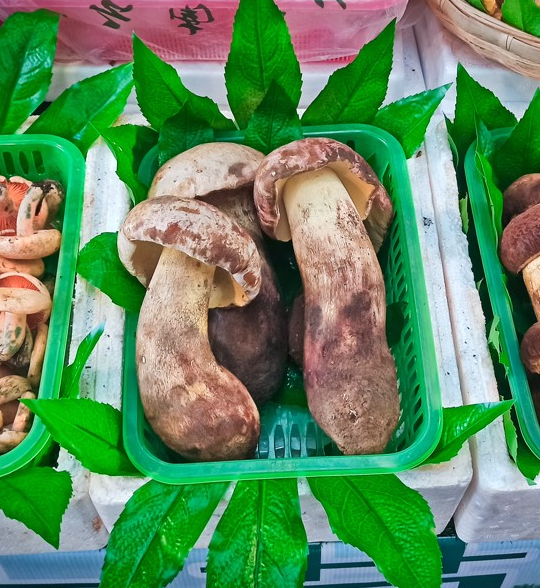
Kunming's Zhuanxin Farmers' Market: Experience Authentic Yunnan Charm
Zhuanxin Farmers' Market is located at No. 270 Xinwen Road, Wuhua District, Kunming, Yunnan Province. It is one of Kunming's most representative and comprehensive farmers' markets. Home to more than 600 vendors, it integrates dining, cultural experiences, leisure activities and shopping. It has long been an indispensable part of daily life for locals and an important stop for visitors looking to experience Kunming's lively local atmosphere. What to Explore at Zhuanxin? Shop for Distinctive Yunnan Ingredie
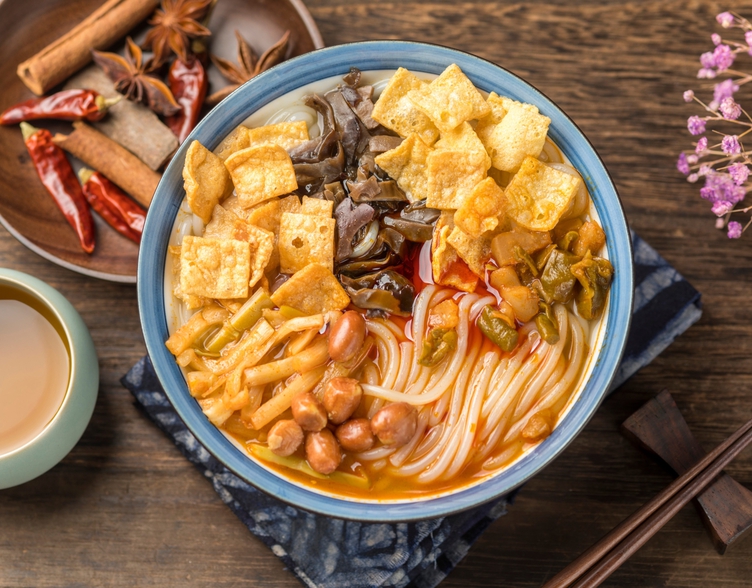
Nanning: Slurping Rice Noodles in "China's City of Night Owls"
Nanning is the capital of the Guangxi Zhuang Autonomous Region and the permanent host city of the China–ASEAN Expo. Every year during Sanyuesan, a traditional Zhuang festival celebrated on the third day of the third lunar month, Nanning becomes a sea of folk songs. Nanning is also known as "China's city of night owls," a reputation closely linked to its climate. Under its humid subtropical monsoon climate, the days are often hot and muggy. Only when night falls and the air begins to cool d
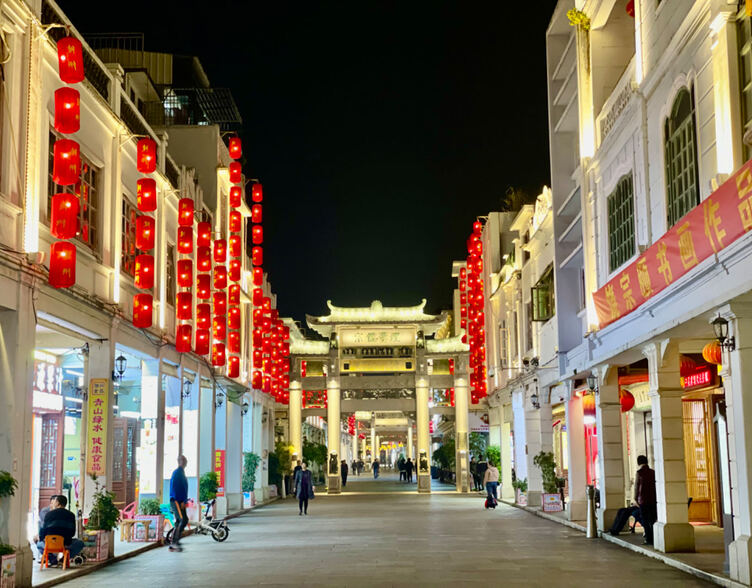
Paifang Street Night Market in Chaoshan: A Feast of Food and Culture
Paifang Street is located in the heart of the ancient city of Chaozhou, Guangdong Province. Stretching for two kilometers and renowned for its 23 memorial archways, it is a major cultural landmark in Chaozhou and has been hailed as "a living ancient city with a thousand-year history." Buildings of various styles are arranged harmoniously along the street, exuding historic charm and offering visitors a glimpse into Chaozhou's distinctive cultural heritage and history. Paifang Street is both a his
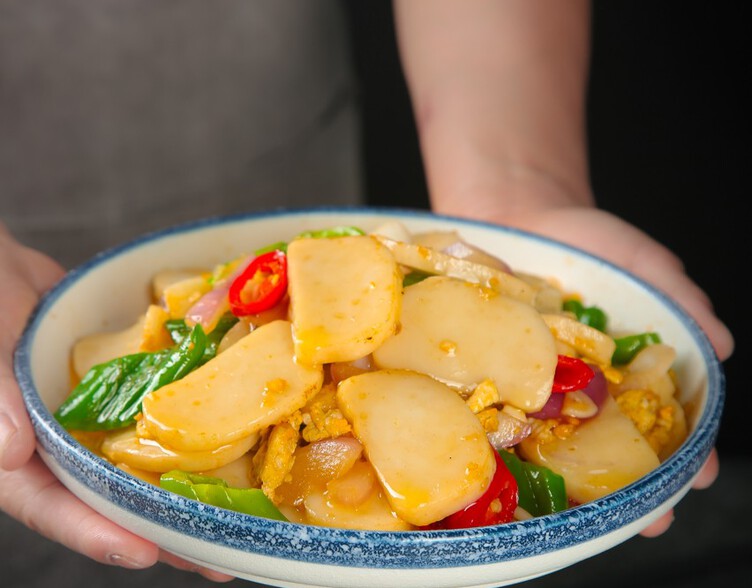
Eating Rice Cakes for the Chinese New Year: A Life That Improves Year After Year
Rice cakes, made primarily from rice or glutinous rice, are a traditional festive treat on the Spring Festival table. The Chinese character "gao" (cake) is a homophone of "higher," symbolizing the wish for greater progress and continual improvement in life. So how does one enjoy rice cakes? They can be pan-fried, stir-fried, steamed, or boiled. Different regions have their own methods, each with its own distinct flavors. In Suzhou, sweet rice cakes are a traditional Chinese New Year tr
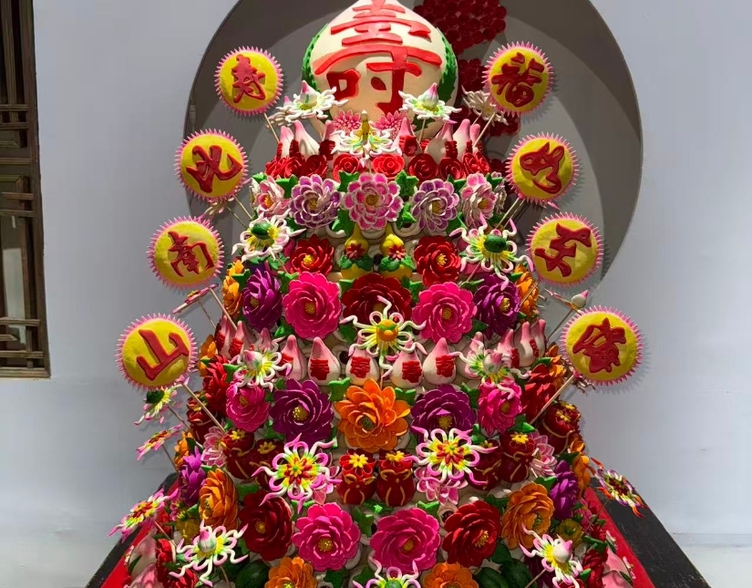
Wenxi Flower Buns: Fragrant Buns, Strong Chinese New Year Vibes
Steaming flower buns for the Chinese New Year is a time-honored custom in northern China, symbolizing the wish for thriving fortunes and a more prosperous life. Shanxi Province is the heart of flower bun making, and Wenxi flower buns are the most renowned of all. Recognized as a National Intangible Cultural Heritage of China, Wenxi flower buns rose to popularity during the Ming and Qing dynasties and have a history of more than 1,000 years. They are both edible and ornamental. The production process is hi
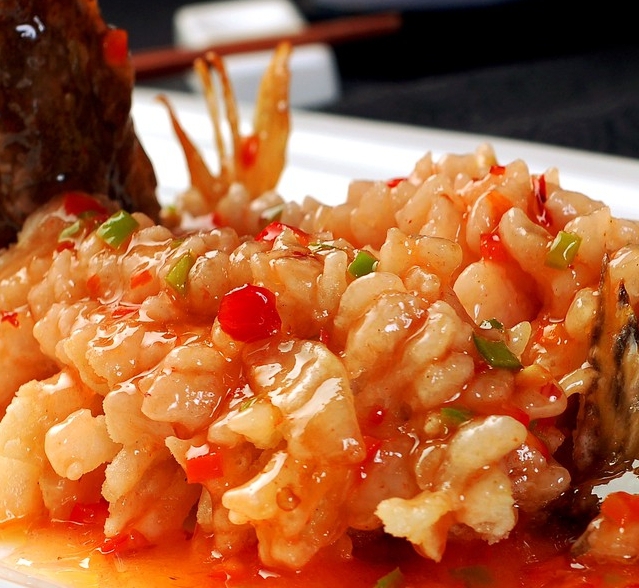
Eat Fish for the Chinese New Year and You'll Have Abundance Year After Year
Fish is a must-have dish on Chinese dinner tables during the Spring Festival. This is because the Chinese character for fish, "yu," is a homophone for "surplus." Eating fish during the Chinese New Year carries the auspicious meaning of having "abundance year after year," expressing people's hopes for a prosperous and fulfilling life in the coming year. When it comes to eating fish during the Spring Festival, different regions have their own customs regarding its preparation,
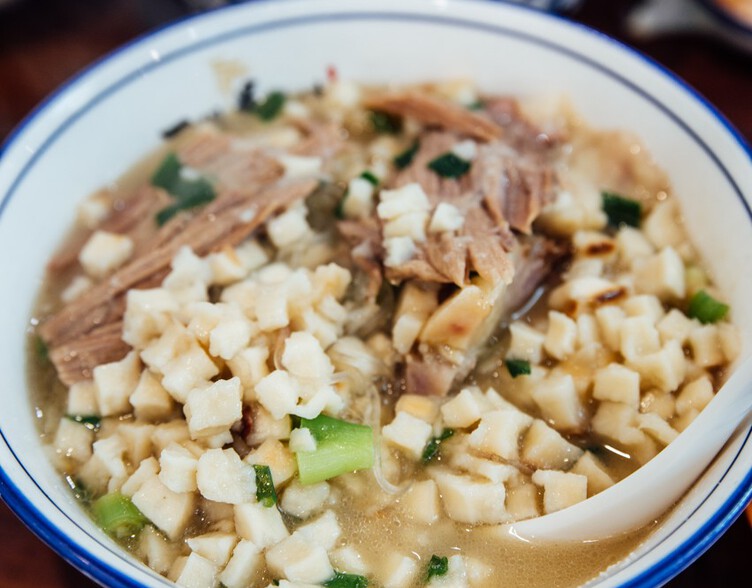
Shaanxi Yangrou Paomo
Yangrou paomo traces its origins back to the Western Zhou period and was known in ancient times as "yang geng (lamb stew)." With tender meat, a rich and hearty broth, chewy flatbread, and an enticing aroma, it is a traditional specialty of the Guanzhong region in Shaanxi. Eating yangrou paomo emphasizes "can shi," or slow, deliberate tasting. The flatbread must be torn by hand into pieces about the size of soybeans; the more evenly torn, the better it absorbs the flavor. When eating, o
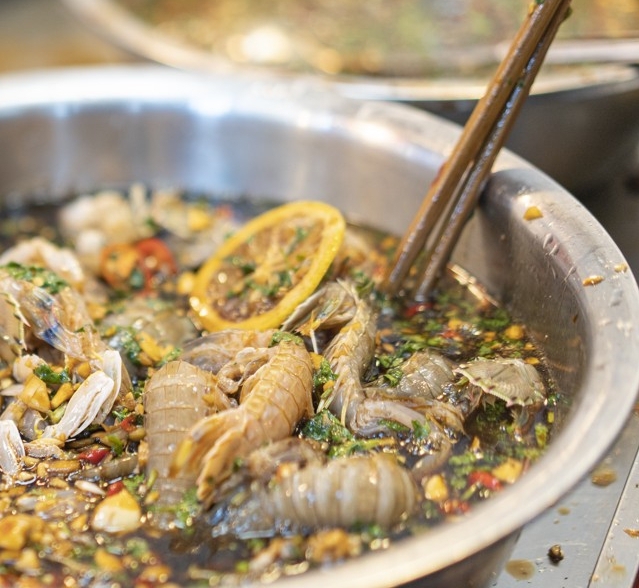
Chaoshan-Style Marinated Raw Seafood
Chaoshan-style marinated raw seafood is a dish made primarily with seafood and belongs to the Chaoshan culinary tradition. Fresh, delicate, and full-flavored, it highlights the natural taste of the ingredients. Raw marination is a practice unique to fishermen and preserves the seafood's "freshness" to the greatest extent. In earlier times, the people of Chaoshan relied on fishing for their livelihood. Even when rare catches were brought in, practical limitations meant that only the most basic me
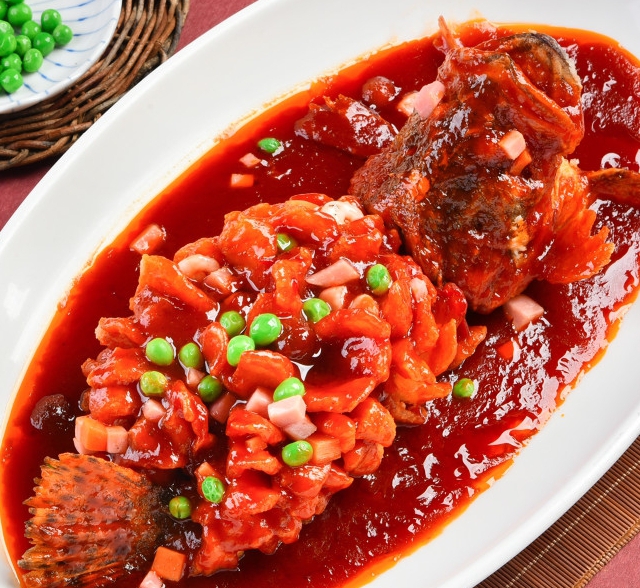
Suzhou Squirrel Fish
Squirrel Fish, also known as Songshu Guiyu, is a signature dish of Suzhou cuisine that brings together color, aroma, flavor, and presentation. Made with fish such as yellow croaker, carp, or mandarin fish, it is deboned, shaped, scored with decorative cuts, deep-fried until set, and then topped with a sweet-and-sour sauce. The dish is named for its resemblance to a squirrel. Golden in color and crisp in texture, it offers a balanced sweet-and-sour taste, with seasoning centered on ketchup, white sugar, an